
Understanding RP Graphite Electrodes: Essential Insights for Metallurgy and Energy Industries
Jun 09,2026
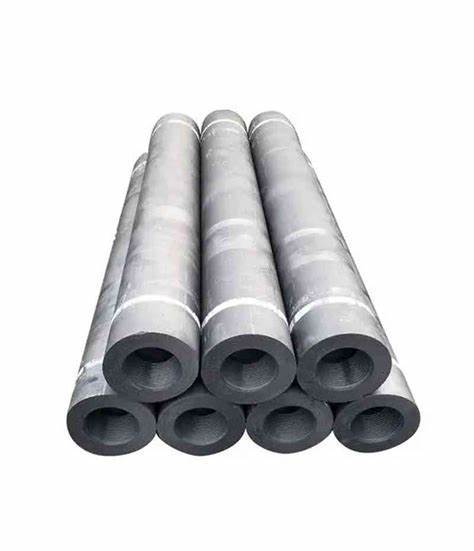
RP graphite electrodes are critical components in various industrial processes, primarily in electric arc furnaces (EAF) used for steelmaking and in other high-temperature applications. These electrodes are known for their excellent electrical conductivity, thermal resistance, and overall mechanical strength, making them ideal for the demanding environments found in metallurgy and energy production.
The term "RP" stands for "Regular Power," indicating a specific type of graphite electrode that is designed to operate under standard power conditions. Unlike HP (High Power) or UHP (Ultra High Power) electrodes, RP graphite electrodes are typically used in applications where the power demand is moderate. This makes them suitable for various melting and reduction processes, particularly in the production of ferrous and non-ferrous metals.
One of the primary advantages of RP graphite electrodes is their ability to withstand extreme thermal shock and chemical corrosion. This durability is essential in metallurgical processes where electrodes are subject to high temperatures and reactive environments. The use of high-quality petroleum needle coke as a raw material contributes significantly to the performance of RP graphite electrodes, ensuring they maintain integrity and efficiency during operation.
Another aspect to consider is the environmental impact of using RP graphite electrodes. As industries strive for more sustainable practices, the demand for energy-efficient solutions has risen. RP graphite electrodes assist in reducing energy consumption during the melting process, which not only lowers operational costs but also minimizes the carbon footprint of production facilities.
Furthermore, the manufacturing process of RP graphite electrodes involves several critical steps, including calcination, grinding, mixing, molding, and graphitization. Each step is crucial in determining the electrode's final properties, such as density, resistivity, and mechanical strength. Professionals in the metallurgy and energy sectors should be aware of these processes to select the right type of electrode for their specific applications.
In summary, RP graphite electrodes play an indispensable role in the metallurgy and energy industries, providing essential functionality in various applications. Their ability to combine high performance with cost-effectiveness makes them a preferred choice in many settings. As the demand for efficient and sustainable technologies continues to grow, understanding the properties and applications of RP graphite electrodes will be vital for industry professionals looking to optimize their operations and enhance productivity.
The term "RP" stands for "Regular Power," indicating a specific type of graphite electrode that is designed to operate under standard power conditions. Unlike HP (High Power) or UHP (Ultra High Power) electrodes, RP graphite electrodes are typically used in applications where the power demand is moderate. This makes them suitable for various melting and reduction processes, particularly in the production of ferrous and non-ferrous metals.
One of the primary advantages of RP graphite electrodes is their ability to withstand extreme thermal shock and chemical corrosion. This durability is essential in metallurgical processes where electrodes are subject to high temperatures and reactive environments. The use of high-quality petroleum needle coke as a raw material contributes significantly to the performance of RP graphite electrodes, ensuring they maintain integrity and efficiency during operation.
Another aspect to consider is the environmental impact of using RP graphite electrodes. As industries strive for more sustainable practices, the demand for energy-efficient solutions has risen. RP graphite electrodes assist in reducing energy consumption during the melting process, which not only lowers operational costs but also minimizes the carbon footprint of production facilities.
Furthermore, the manufacturing process of RP graphite electrodes involves several critical steps, including calcination, grinding, mixing, molding, and graphitization. Each step is crucial in determining the electrode's final properties, such as density, resistivity, and mechanical strength. Professionals in the metallurgy and energy sectors should be aware of these processes to select the right type of electrode for their specific applications.
In summary, RP graphite electrodes play an indispensable role in the metallurgy and energy industries, providing essential functionality in various applications. Their ability to combine high performance with cost-effectiveness makes them a preferred choice in many settings. As the demand for efficient and sustainable technologies continues to grow, understanding the properties and applications of RP graphite electrodes will be vital for industry professionals looking to optimize their operations and enhance productivity.
Contact Us
E-mail:
Phone/WhatsApp:
+86 15711363051
Address:
Xingchuang International C912, Xinya Street No.15, Daxing District, Beijing, China



Contact
TEL: +8615711363051
EMAIL: sales@topflymaterial.com
ADD: Xingchuang International C912, Xinya Street No.15, Daxing District, Beijing, China