
The Impact of Graphite Electrode on Carbon Footprint Reduction: A Comprehensive Analysis
Jun 08,2026
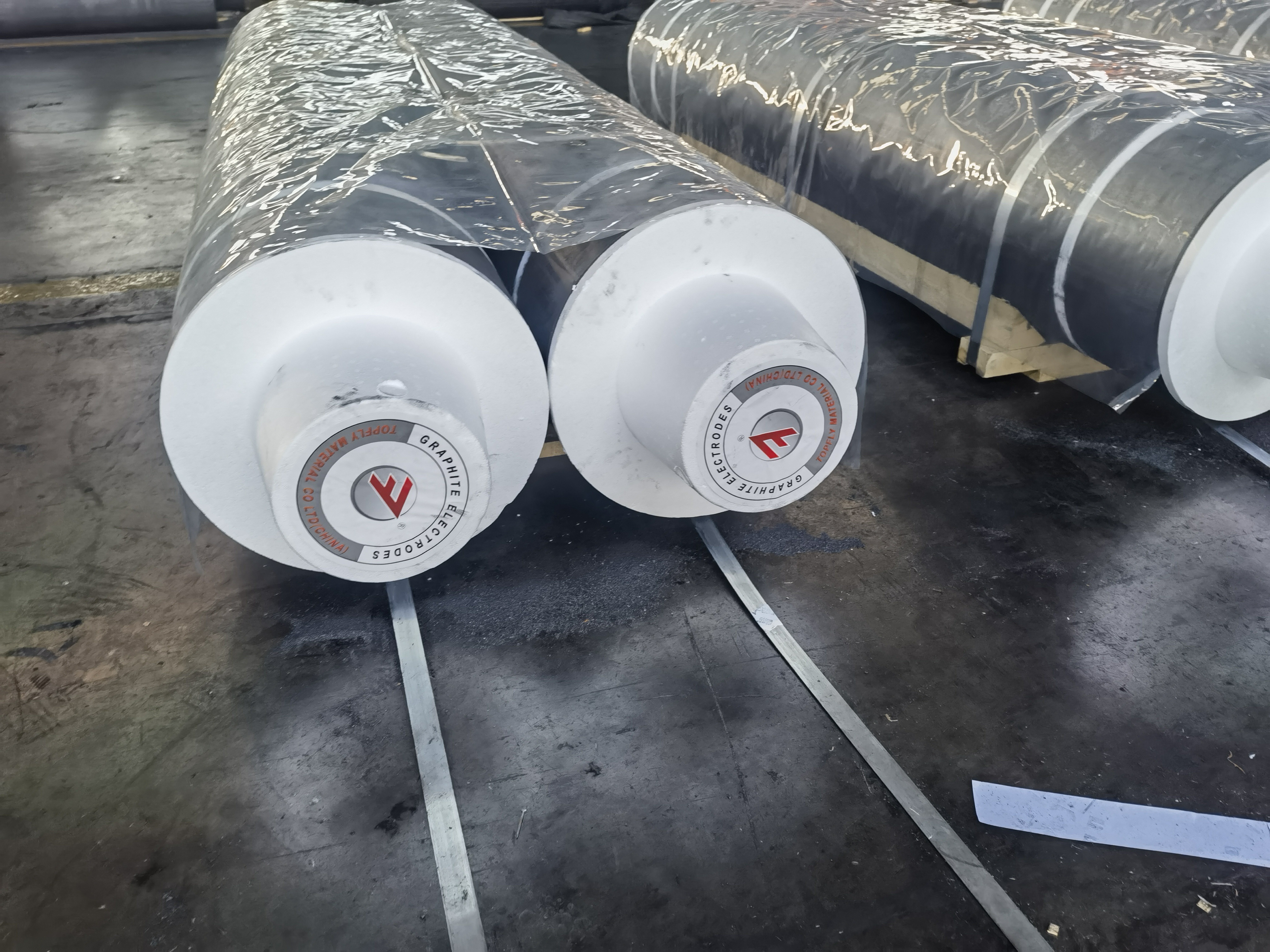
The Impact of Graphite Electrode on Carbon Footprint Reduction
In the quest for sustainability, industries are continually seeking innovative ways to reduce their carbon footprint. One such solution lies in the utilization of graphite electrodes.
Graphite electrodes are essential components in electric arc furnaces (EAF) and other metallurgical processes. Their ability to facilitate efficient thermal conduction and electrical conductivity makes them invaluable in various applications, particularly in the steelmaking and manufacturing sectors. In this article, we will explore the significant impact of graphite electrodes on carbon footprint reduction and how they contribute to a more sustainable future.Table of Contents
- 1. Introduction to Graphite Electrodes
- 2. The Role of Graphite Electrodes in Key Industries
- 3. Benefits of Using Graphite Electrodes for Carbon Footprint Reduction
- 4. Sustainability Initiatives in Graphite Electrode Production
- 5. Technological Advancements in Graphite Electrode Manufacturing
- 6. Future Prospects for Graphite Electrodes in Sustainability
- 7. Case Studies: Successful Implementations of Graphite Electrodes
- 8. Conclusion
- 9. FAQs on Graphite Electrodes and Carbon Footprint Reduction
1. Introduction to Graphite Electrodes
Graphite electrodes are made from high-quality petroleum or needle coke and are primarily used in electric arc furnaces for steel production. Their unique properties, such as high-temperature resistance, excellent electrical conductivity, and thermal stability, make them suitable for various industrial applications. As industries increasingly shift towards environmentally friendly practices, the role of graphite electrodes in reducing carbon emissions is becoming more significant.
2. The Role of Graphite Electrodes in Key Industries
2.1 Steel Production
One of the primary applications of graphite electrodes is in the steel manufacturing process. Electric arc furnaces, which utilize these electrodes, are known for their energy efficiency and reduced emissions compared to traditional blast furnaces. This method allows for the recycling of scrap steel, significantly decreasing the carbon footprint associated with new steel production.
2.2 Aluminum Production
In aluminum smelting, graphite electrodes play a critical role in the electrolytic reduction process. The use of these electrodes helps minimize energy consumption and lowers greenhouse gas emissions, making aluminum production more sustainable.
2.3 Other Metallurgical Processes
Graphite electrodes are also utilized in various other metallurgical processes, including the production of ferroalloys, silicon, and other non-ferrous metals. Their versatility and effectiveness in high-temperature applications contribute to the overall reduction of carbon emissions in these sectors.
3. Benefits of Using Graphite Electrodes for Carbon Footprint Reduction
3.1 Enhanced Energy Efficiency
The efficiency of electric arc furnaces, powered by graphite electrodes, leads to a significant reduction in energy consumption. By using less energy to convert raw materials into finished products, industries can greatly decrease their overall carbon emissions.
3.2 Reduction of Waste Materials
Graphite electrodes facilitate the recycling of scrap materials, reducing the need for virgin resources. This not only conserves natural resources but also minimizes the waste generated during production processes.
3.3 Lower Emission of Greenhouse Gases
Compared to traditional methods, the use of graphite electrodes results in lower emissions of harmful greenhouse gases. The transition to electric arc furnaces can lead to a reduction of carbon dioxide (CO2) emissions by as much as 30% during steel production.
4. Sustainability Initiatives in Graphite Electrode Production
4.1 Responsible Sourcing of Raw Materials
To further enhance sustainability, manufacturers are increasingly focusing on responsible sourcing of raw materials for graphite electrodes. Utilizing recycled materials in production processes contributes to a circular economy and reduces the environmental impact associated with mining and processing.
4.2 Adoption of Eco-Friendly Manufacturing Processes
Innovations in the manufacturing process of graphite electrodes are geared towards minimizing environmental impact. The adoption of eco-friendly techniques, such as energy-efficient production methods and waste heat recovery systems, contributes to a significant reduction in the carbon footprint of the entire production cycle.
5. Technological Advancements in Graphite Electrode Manufacturing
Recent advancements in technology are transforming the way graphite electrodes are produced. Automation and digitalization in manufacturing processes enhance efficiency and quality while reducing energy consumption. Moreover, innovative materials and designs are being explored to improve the performance of graphite electrodes, leading to better sustainability outcomes.
6. Future Prospects for Graphite Electrodes in Sustainability
The demand for graphite electrodes is expected to continue growing, driven by the increasing emphasis on sustainability and carbon footprint reduction across various industries. Future innovations may include the development of alternative materials that offer similar performance with lower environmental impacts. Additionally, research into the recycling of used electrodes could create a more sustainable lifecycle for these critical components.
7. Case Studies: Successful Implementations of Graphite Electrodes
7.1 Case Study: Steel Manufacturing Facility
At a leading steel manufacturing facility, the transition from a blast furnace to an electric arc furnace using graphite electrodes resulted in a 40% reduction in carbon emissions. The facility adopted recycling practices that not only conserved resources but also provided a significant economic advantage through reduced energy costs.
7.2 Case Study: Aluminum Smelting Plant
An aluminum smelting plant incorporating graphite electrodes reported a remarkable decline in greenhouse gas emissions. The facility's implementation of energy-efficient technologies alongside the use of graphite electrodes contributed to a 35% reduction in energy consumption.
8. Conclusion
The integration of graphite electrodes in various industrial processes plays a crucial role in mitigating the environmental impacts associated with carbon emissions. Their inherent properties, coupled with advancements in technology and sustainable practices, position graphite electrodes as a pivotal solution for industries striving to meet sustainability goals. As we move towards a greener future, the continuous improvement and adoption of graphite electrodes will be essential in the global effort to reduce carbon footprints.
9. FAQs on Graphite Electrodes and Carbon Footprint Reduction
9.1 What are graphite electrodes used for?
Graphite electrodes are primarily used in electric arc furnaces for steel and aluminum production, helping to facilitate efficient melting and refining processes.
9.2 How do graphite electrodes reduce carbon emissions?
Graphite electrodes enable the recycling of scrap materials and facilitate energy-efficient production processes, leading to significant reductions in overall carbon emissions during manufacturing.
9.3 Are there sustainable practices in graphite electrode production?
Yes, manufacturers are increasingly adopting sustainable practices, such as responsible sourcing of raw materials and eco-friendly manufacturing processes that minimize environmental impacts.
9.4 What industries benefit from using graphite electrodes?
Industries such as steel, aluminum, and ferroalloy production benefit significantly from the use of graphite electrodes due to their efficiency and reduced carbon emissions.
9.5 What is the future of graphite electrodes in environmental sustainability?
The future of graphite electrodes looks promising, with continued innovations and advancements aimed at improving sustainability and further reducing carbon footprints in various industries.
PREVIOUS:
Contact Us
E-mail:
Phone/WhatsApp:
+86 15711363051
Address:
Xingchuang International C912, Xinya Street No.15, Daxing District, Beijing, China



Contact
TEL: +8615711363051
EMAIL: sales@topflymaterial.com
ADD: Xingchuang International C912, Xinya Street No.15, Daxing District, Beijing, China