
Understanding RP Graphite Electrodes: A Comprehensive Guide
May 26,2026
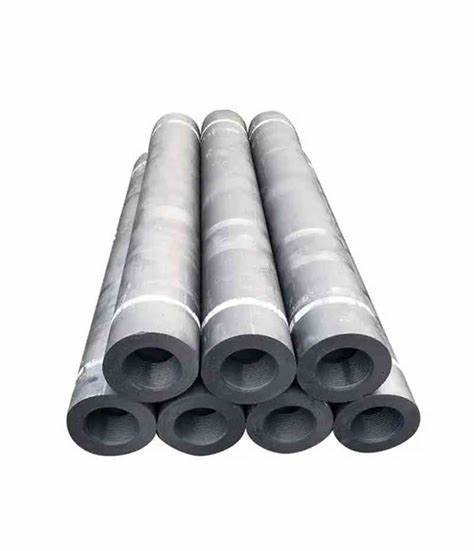
RP graphite electrodes are pivotal components used in electric arc furnaces (EAF) and other metallurgical processes. They are primarily employed for the production of steel and other non-ferrous metals, facilitating the efficient transfer of electrical energy required for melting and refining processes. RP, or Regular Power, graphite electrodes are characterized by their moderate electrical conductivity and thermal resistance, making them suitable for a variety of demanding applications.
The manufacturing process of RP graphite electrodes involves several critical steps. Initially, petroleum coke and coal tar pitch are utilized as raw materials. The petroleum coke is baked at high temperatures to produce a dense carbon material. This material is then mixed with pitch and shaped into cylindrical electrodes. The shaped electrodes undergo a graphitization process, where they are subjected to even higher temperatures (around 2,500 to 3,000 degrees Celsius) to enhance their electrical conductivity and mechanical strength. This transformation is crucial as it imparts the required performance characteristics, such as thermal stability and resistance to oxidation.
One of the key advantages of RP graphite electrodes is their cost-effectiveness compared to other electrode types. While they may not possess the same high-performance attributes as HP (High Power) or UHP (Ultra High Power) electrodes, RP electrodes provide a balanced performance for many applications, particularly in steelmaking. Their moderate power handling capacity makes them ideal for various melting operations, ensuring that they can withstand the operational conditions typically encountered in electric arc furnaces.
In terms of applications, RP graphite electrodes are extensively used not only in steel production but also in the manufacturing of ferroalloys, silicon metal production, and even in the foundry industry. Their versatility stems from their ability to operate efficiently at different power levels while maintaining a relatively low operational cost. This characteristic makes RP electrodes an attractive option for many industrial operators seeking reliable and efficient performance.
Moreover, as the industry evolves, the demand for RP graphite electrodes continues to grow, driven by advancements in steelmaking technologies and the ongoing pursuit of sustainability. The increasing need for recycling and the use of scrap materials in EAF processes further enhance the relevance of RP graphite electrodes in modern metallurgical practices.
In conclusion, RP graphite electrodes play a critical role in various metallurgical applications, offering a blend of performance, cost efficiency, and versatility. Understanding their properties and manufacturing processes is essential for industry professionals aiming to optimize their operations and adapt to the dynamic demands of the metallurgy and energy sectors.
Contact Us
E-mail:
Phone/WhatsApp:
+86 15711363051
Address:
Xingchuang International C912, Xinya Street No.15, Daxing District, Beijing, China



Contact
TEL: +8615711363051
EMAIL: sales@topflymaterial.com
ADD: Xingchuang International C912, Xinya Street No.15, Daxing District, Beijing, China