
Graphite Electrode: The Backbone of Electric Arc Furnaces
May 25,2026
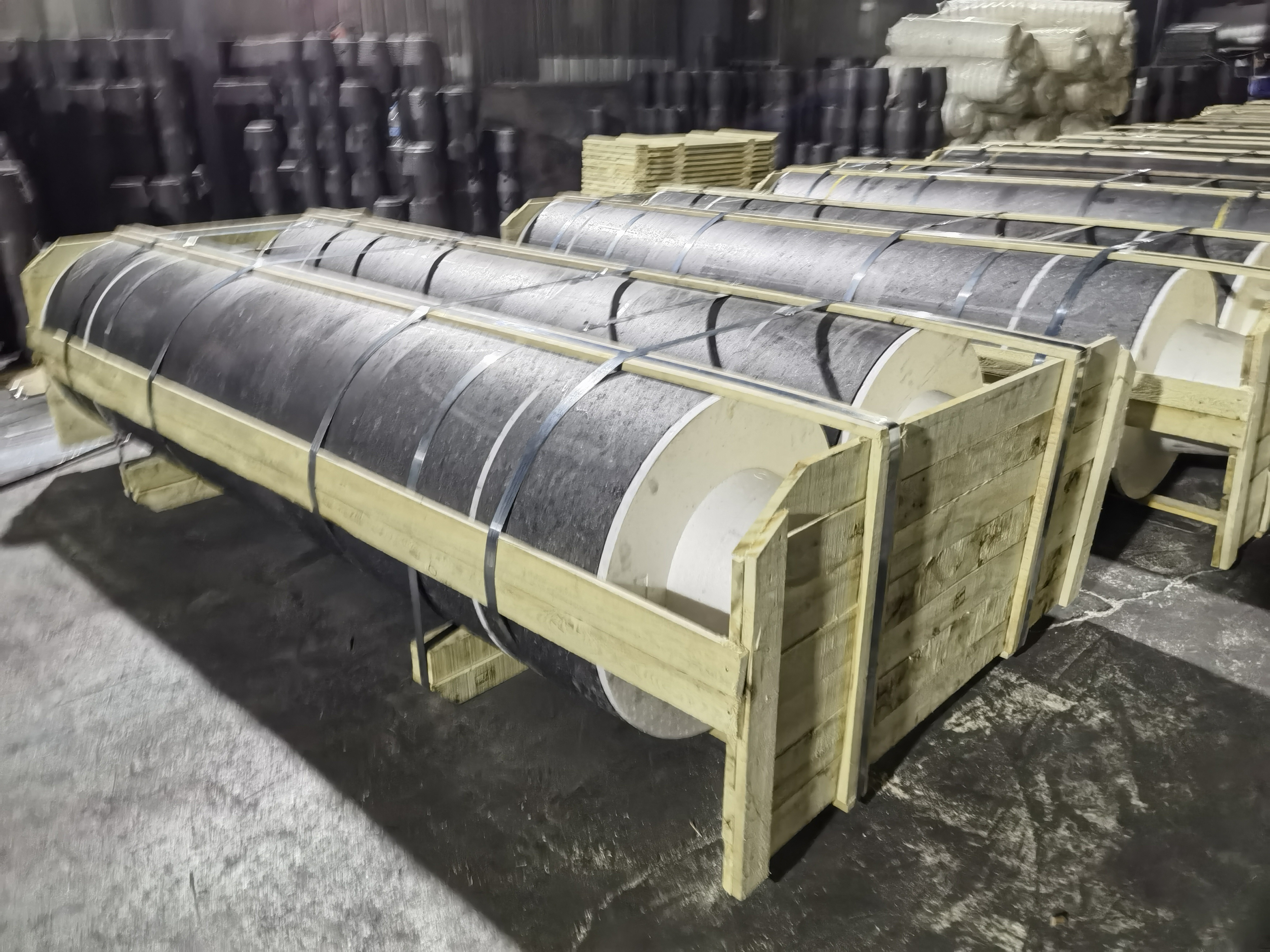
Graphite Electrode: The Backbone of Electric Arc Furnaces
Table of Contents
- 1. Introduction to Graphite Electrodes
- 2. Importance of Graphite Electrodes in Electric Arc Furnaces
- 3. Manufacturing Process of Graphite Electrodes
- 4. Types of Graphite Electrodes and Their Applications
- 5. Advantages of Using Graphite Electrodes
- 6. Challenges in Graphite Electrode Production
- 7. The Future of Graphite Electrodes in Industry
- 8. Conclusion
- 9. Frequently Asked Questions (FAQs)
1. Introduction to Graphite Electrodes
Graphite electrodes play a pivotal role in modern metallurgy, particularly in electric arc furnaces (EAFs). These components facilitate the melting and refining of metals, making them essential in producing steel and other alloys. Their unique properties, such as high electrical conductivity, thermal stability, and resistance to thermal shock, make them indispensable in high-temperature processes.
2. Importance of Graphite Electrodes in Electric Arc Furnaces
Electric arc furnaces are revolutionizing the steelmaking industry by offering cleaner and more energy-efficient production methods. Graphite electrodes are the backbone of these furnaces, enabling the generation of the intense heat necessary for melting scrap metal and other raw materials. The efficiency of EAFs relies heavily on the performance and quality of graphite electrodes, as they directly influence energy consumption and operational costs.
Key Functions of Graphite Electrodes
Graphite electrodes serve several critical functions in electric arc furnaces, including:
- **Conducting Electricity:** The primary role of graphite electrodes is to conduct electricity into the furnace, initiating the arc that generates heat.
- **Thermal Management:** They help maintain optimal temperature levels within the furnace, ensuring efficient melting of materials.
- **Stability Under Extreme Conditions:** Their ability to withstand extreme temperatures and chemical reactions makes them suitable for continuous operation in harsh environments.
3. Manufacturing Process of Graphite Electrodes
The manufacturing process of graphite electrodes is complex and involves several stages, from raw material selection to final product testing.
Step 1: Raw Material Selection
The primary raw materials for producing graphite electrodes are petroleum coke and pitch. The quality of these materials significantly affects the performance of the final product.
Step 2: Mixing and Kneading
In this stage, the petroleum coke is mixed with pitch to form a paste. This paste is then kneaded to achieve the desired consistency and homogeneity, which is crucial for the electrode's performance.
Step 3: Molding
The kneaded paste is then shaped into cylindrical forms using molds. This step is critical as it defines the dimensions and structure of the graphite electrodes.
Step 4: Baking
Once molded, the electrodes undergo a baking process at high temperatures. This step removes volatile compounds and helps in carbonizing the electrodes, enhancing their strength and conductivity.
Step 5: Graphitization
The baked electrodes are subjected to even higher temperatures in a graphitization furnace. This process transforms the carbon structure into a more crystalline form, which significantly improves the electrical and thermal conductivity of the electrodes.
Step 6: Machining
After graphitization, the electrodes are machined to achieve precise dimensions and surface finishes. This step ensures that the electrodes fit perfectly within the electric arc furnace.
Step 7: Quality Testing
Quality control is paramount in ensuring the electrodes meet industry standards. Each batch undergoes rigorous testing for electrical resistivity, flexural strength, and thermal shock resistance.
4. Types of Graphite Electrodes and Their Applications
Various types of graphite electrodes are designed for specific applications in electric arc furnaces, each offering unique advantages:
Ultra High Power (UHP) Electrodes
UHP electrodes are used in EAFs that require high melting capacities and energy efficiency. Their superior electrical conductivity and thermal properties make them ideal for large-scale steel production.
High Power (HP) Electrodes
HP electrodes are suitable for medium-sized electric furnaces, offering a balance between performance and cost. They are commonly used in recycling scrap steel.
Regular Power (RP) Electrodes
RP electrodes are the most common type, used in smaller furnaces or less demanding applications. They provide adequate performance at a lower cost.
Specialty Electrodes
These electrodes are tailored for specific applications, including non-ferrous metal production and specialized steel grades.
5. Advantages of Using Graphite Electrodes
The use of graphite electrodes in electric arc furnaces offers numerous advantages that contribute to their widespread adoption:
Energy Efficiency
Graphite electrodes enable higher melting efficiency, reducing energy consumption and operational costs in electric arc furnaces.
Environmental Benefits
EAFs utilizing graphite electrodes produce lower emissions compared to traditional blast furnaces, supporting sustainable steel production.
Adaptability
Graphite electrodes can be adapted for various applications, making them versatile components in modern metallurgy.
Cost-Effectiveness
The durability and efficiency of graphite electrodes lead to lower replacement costs and minimal downtime, enhancing overall productivity.
6. Challenges in Graphite Electrode Production
Despite the advantages, the production of graphite electrodes faces several challenges that require attention:
Raw Material Availability
The availability and price fluctuations of petroleum coke and pitch can impact production costs and supply chains.
Environmental Regulations
Manufacturers must comply with stringent environmental regulations, necessitating investments in cleaner production technologies.
Technological Advancements
Keeping pace with technological advancements in electrode design and manufacturing processes is essential for staying competitive.
7. The Future of Graphite Electrodes in Industry
The future of graphite electrodes looks promising, driven by advancements in technology and increasing demand for sustainable and efficient steel production. Innovations in materials science are paving the way for enhanced electrode performance, while a growing emphasis on recycling and renewable energy sources is reshaping the landscape of the metallurgy industry.
Emerging Alternatives
Research into alternatives to traditional graphite electrodes, such as silicon carbide and other composite materials, is underway. These materials may offer enhanced properties and environmental benefits.
Market Trends
With the ongoing shift towards electric arc furnaces, the demand for high-quality graphite electrodes is expected to rise. As industries seek to improve sustainability and efficiency, the role of these electrodes will become increasingly significant.
8. Conclusion
Graphite electrodes are indeed the backbone of electric arc furnaces, playing a vital role in the modern metallurgy landscape. Their unique properties and advantages make them essential for efficient and sustainable steel production. As the industry evolves, so too will the technology and methods associated with graphite electrodes, ensuring they remain a crucial component in the future of metallurgy and energy.
9. Frequently Asked Questions (FAQs)
1. What are graphite electrodes used for?
Graphite electrodes are primarily used in electric arc furnaces for melting and refining metals, particularly in steel production.
2. How are graphite electrodes manufactured?
The manufacturing process involves selecting raw materials, mixing, molding, baking, graphitization, machining, and quality testing.
3. What types of graphite electrodes are available?
There are several types of graphite electrodes, including Ultra High Power (UHP), High Power (HP), Regular Power (RP), and specialty electrodes tailored for specific applications.
4. What are the advantages of using graphite electrodes?
Graphite electrodes offer energy efficiency, environmental benefits, adaptability, and cost-effectiveness in electric arc furnace operations.
5. What challenges does the graphite electrode industry face?
Key challenges include raw material availability, environmental regulations, and the need to keep pace with technological advancements in electrode manufacturing.
This detailed exploration of graphite electrodes emphasizes their crucial role in the operation of electric arc furnaces and their importance in the broader context of steel production and metallurgy.
Contact Us
E-mail:
Phone/WhatsApp:
+86 15711363051
Address:
Xingchuang International C912, Xinya Street No.15, Daxing District, Beijing, China



Contact
TEL: +8615711363051
EMAIL: sales@topflymaterial.com
ADD: Xingchuang International C912, Xinya Street No.15, Daxing District, Beijing, China