
Molded Graphite: The Unsung Hero of Metallurgical Innovation
May 21,2026
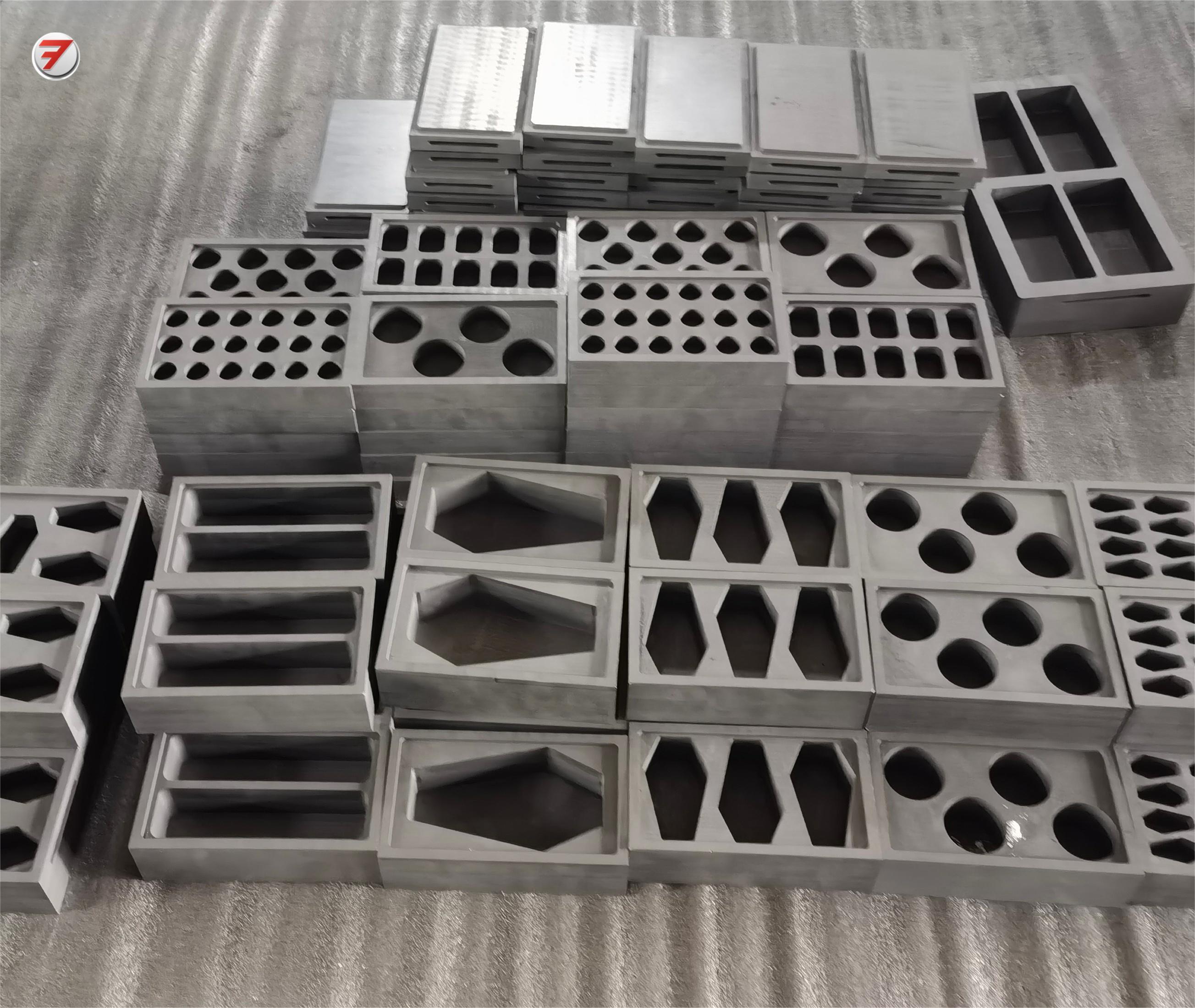
Molded Graphite: The Unsung Hero of Metallurgical Innovation
In the realm of metallurgy and energy, few materials are as versatile and essential as molded graphite. Often overlooked in discussions about innovative materials, molded graphite has proven to be a cornerstone for various industrial applications. This article delves deep into the properties, manufacturing processes, and diverse applications of molded graphite, establishing its critical role as a driving force behind metallurgical advancements.
Table of Contents
- 1. Introduction to Molded Graphite
- 2. What is Molded Graphite?
- 3. Properties of Molded Graphite
- 4. Manufacturing Process of Molded Graphite
- 5. Applications of Molded Graphite in Metallurgy
- 6. The Role of Molded Graphite in Energy Generation
- 7. Advantages of Using Molded Graphite
- 8. Challenges and Future Trends
- 9. Frequently Asked Questions
- 10. Conclusion
1. Introduction to Molded Graphite
Molded graphite is a form of carbon that is intricately shaped to meet specific industrial requirements. Its unique properties make it a favorite among engineers and manufacturers across various sectors. As we explore the depths of this remarkable material, we will highlight its significance in metallurgical innovation and energy efficiency.
2. What is Molded Graphite?
Molded graphite is produced by densifying and shaping carbon-based materials under high temperatures and pressures. This process results in a product that exhibits exceptional thermal and electrical conductivity, as well as remarkable resistance to wear and corrosion. The applications of molded graphite span from mechanical components to advanced electrical systems, showcasing its adaptability in various environments.
2.1 The Composition of Molded Graphite
Molded graphite primarily consists of carbon, which forms a crystalline structure during the manufacturing process. The purity and quality of the raw material significantly influence the final properties of the molded graphite product. By controlling the composition, manufacturers can tailor the material to meet specific performance criteria.
3. Properties of Molded Graphite
The properties of molded graphite are what make it an indispensable material in metallurgy and energy sectors. Key properties include:
3.1 High Thermal Conductivity
Molded graphite exhibits outstanding thermal conductivity, which is essential for applications requiring efficient heat transfer. This property makes it ideal for use in high-temperature environments, such as in furnace linings and heat exchangers.
3.2 Excellent Electrical Conductivity
In addition to its thermal properties, molded graphite also demonstrates excellent electrical conductivity, making it suitable for electrical contacts and components in various devices. This conductivity is vital for many applications, including electrical resistors and electrodes.
3.3 Chemical Resistance
One of the standout features of molded graphite is its resistance to chemical corrosion. This property allows it to thrive in harsh environments where other materials may fail, making it an ideal choice for chemical processing equipment.
3.4 Wear Resistance
The durability of molded graphite contributes significantly to its use in wear-prone applications. Its wear resistance ensures longevity and performance in components like bearings and seals, ultimately reducing maintenance costs.
4. Manufacturing Process of Molded Graphite
The manufacturing process of molded graphite involves several steps to ensure the final product meets industry standards. These steps include:
4.1 Sourcing Raw Materials
The first step in the production of molded graphite is sourcing high-quality carbon materials. Manufacturers often use petroleum coke or natural graphite as the raw components, as these materials provide the necessary properties for the final product.
4.2 Shaping and Densification
The raw materials are then subjected to a molding process, where they are compacted into desired shapes using hydraulic presses. This shaping process is critical for creating components that meet specific dimensional requirements.
4.3 Heat Treatment
Post-molding, the shaped graphite undergoes a heat treatment process. This involves heating the molded graphite in a controlled environment to facilitate the transformation of the carbon structure, enhancing its properties significantly.
4.4 Final Processing
After heat treatment, the molded graphite may undergo additional processes, such as machining or surface treatment, to ensure it meets precise specifications before it is shipped to customers.
5. Applications of Molded Graphite in Metallurgy
Molded graphite finds extensive use in metallurgy, owing to its unique properties. Some notable applications include:
5.1 Crucibles
Graphite crucibles are widely used in metal casting. Their ability to withstand high temperatures and thermal shock makes them ideal for melting various metals, including gold, silver, and aluminum.
5.2 Mold Components
Molded graphite is also utilized in manufacturing molds for casting processes. Its thermal properties facilitate efficient heat transfer, ensuring even cooling and solidification of metals.
5.3 Electrodes
In electric arc furnaces, molded graphite electrodes are essential for melting metal. Their high electrical conductivity allows for efficient energy transfer, resulting in lower operational costs.
6. The Role of Molded Graphite in Energy Generation
Molded graphite plays a significant role in energy generation, particularly in renewable and conventional energy systems. Key uses include:
6.1 Solar Panel Components
In solar energy applications, molded graphite is employed in photovoltaic cells, enhancing their efficiency by improving thermal management and conductivity.
6.2 Nuclear Reactor Components
Molded graphite is used in various nuclear applications, including reactor moderation and containment systems, due to its ability to withstand extreme conditions and its stability in radiation-rich environments.
7. Advantages of Using Molded Graphite
The advantages of molded graphite extend beyond its fundamental properties to encompass economic and operational benefits:
7.1 Cost-Effectiveness
Although the initial investment in molded graphite components may be higher than traditional materials, their durability and performance lead to lower long-term operational costs.
7.2 Lightweight
Molded graphite is significantly lighter than metals, which is advantageous in applications where weight reduction is essential, such as in aerospace and automotive industries.
7.3 Versatility
Its adaptability enables molded graphite to be used in a wide range of applications, from industrial to consumer products, making it a versatile choice for manufacturers.
8. Challenges and Future Trends
Despite its many advantages, the molded graphite industry faces challenges that need addressing:
8.1 Environmental Concerns
The production of molded graphite can have environmental implications, particularly in terms of emissions and resource extraction. Developing sustainable practices is essential for the future of this industry.
8.2 Market Competition
The growing demand for alternative materials may pose a challenge to the molded graphite industry. Continuous innovation and improvement of molded graphite properties will be crucial for maintaining its market position.
8.3 Future Trends
As industries evolve, the use of molded graphite is expected to expand into new applications, particularly in high-tech fields such as nanotechnology and advanced manufacturing. Research and development will play a vital role in driving this growth.
9. Frequently Asked Questions
9.1 What is the difference between molded graphite and other forms of graphite?
Molded graphite is specifically shaped and densified under high temperatures and pressures, resulting in unique properties that differentiate it from other forms of graphite, such as flake or amorphous graphite.
9.2 Can molded graphite withstand extreme temperatures?
Yes, molded graphite can withstand extreme temperatures, making it suitable for high-temperature applications in metallurgy and energy generation.
9.3 Is molded graphite environmentally friendly?
While molded graphite has many beneficial properties, the environmental impact of its production needs careful management. Sustainable practices are being developed to minimize these effects.
9.4 What industries benefit from molded graphite?
Molded graphite is utilized across various industries, including metallurgy, energy generation, automotive, aerospace, and electronics, showcasing its versatility.
9.5 How does molded graphite contribute to energy efficiency?
Molded graphite enhances energy efficiency through its excellent thermal and electrical conductivity, allowing for more efficient heat transfer and reduced energy losses in applications.
10. Conclusion
Molded graphite stands as an unsung hero of metallurgical innovation, embodying a unique blend of properties that cater to the diverse needs of modern industries. Its applications extend far beyond traditional uses, playing a pivotal role in energy generation and advanced manufacturing. As we continue to navigate an evolving technological landscape, molded graphite's significance will undoubtedly grow, cementing its place as a fundamental material in the future of metallurgy and beyond.
Contact Us
E-mail:
Phone/WhatsApp:
+86 15711363051
Address:
Xingchuang International C912, Xinya Street No.15, Daxing District, Beijing, China



Contact
TEL: +8615711363051
EMAIL: sales@topflymaterial.com
ADD: Xingchuang International C912, Xinya Street No.15, Daxing District, Beijing, China