
Understanding Isostatic Graphite: Key Insights for Metallurgy and Energy Industries
May 20,2026
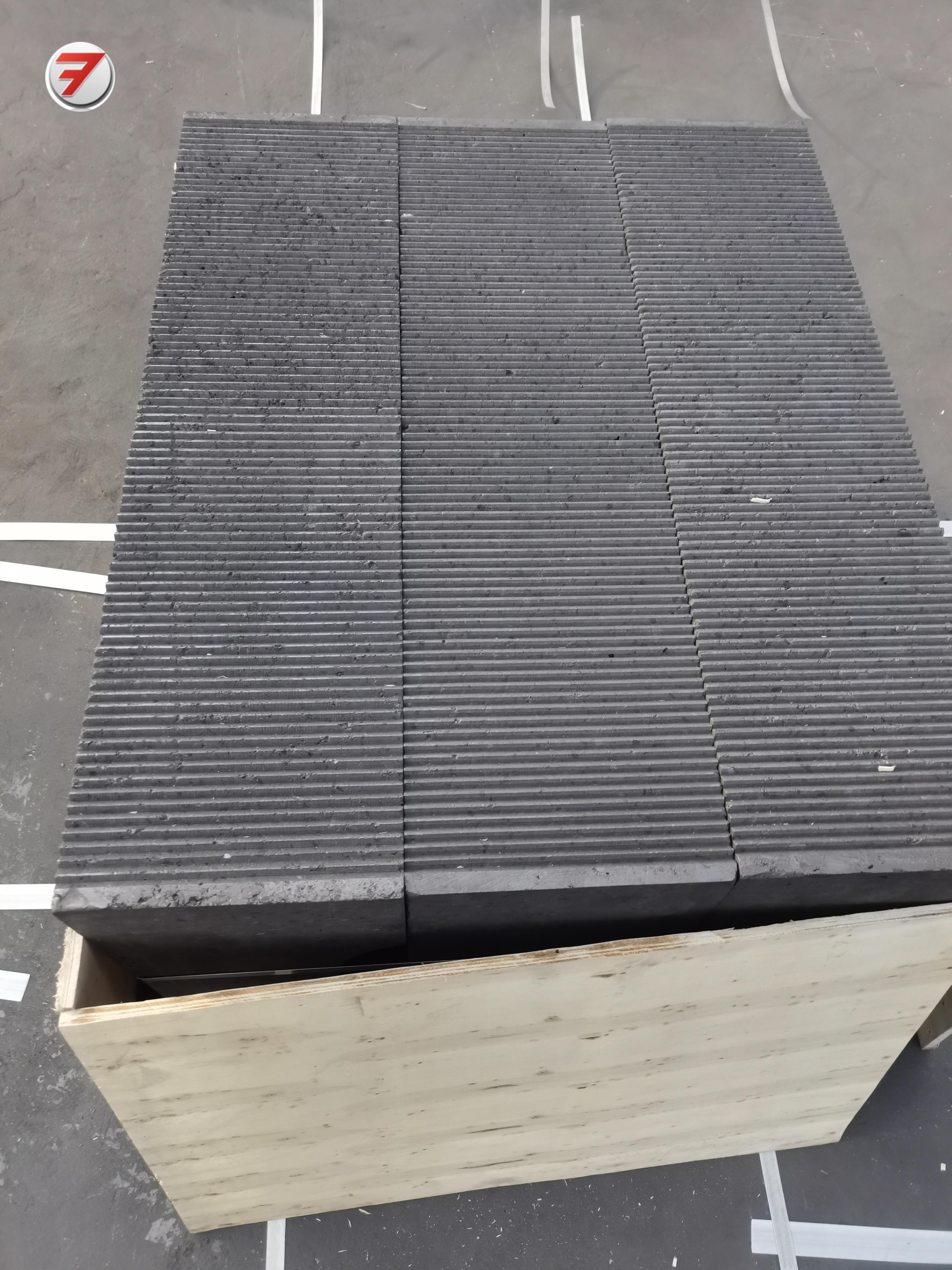
Isostatic graphite, a high-performance material known for its exceptional properties, plays a crucial role in the metallurgy and energy industries. Unlike conventional graphite, which is formed through standard molding techniques, isostatic graphite is produced using a process that involves applying uniform pressure from all directions. This results in a material that exhibits superior strength, density, and thermal conductivity, making it highly valuable for a range of applications.
One of the primary advantages of isostatic graphite is its ability to withstand extreme temperatures and corrosive environments. This makes it an ideal choice for applications in the manufacturing of electrodes, which are essential in electric arc furnaces used for steel production. The consistent density of isostatic graphite helps maintain a uniform temperature across the electrode, enhancing its performance and longevity. This characteristic also contributes to reducing energy consumption, which is a significant consideration in the energy sector.
In addition to its thermal properties, isostatic graphite possesses excellent electrical conductivity. This feature is particularly beneficial in the production of components like bipolar plates for fuel cells, where efficient energy transfer is critical. The use of isostatic graphite in such applications not only improves the efficiency of energy systems but also enhances the overall durability of the components.
Moreover, isostatic graphite is known for its excellent machinability. This allows manufacturers to create complex shapes and designs that meet specific requirements in applications ranging from aerospace to semiconductor manufacturing. The ability to customize components efficiently means that industries can produce parts that optimize performance while minimizing waste.
In terms of environmental impact, the use of isostatic graphite can also contribute to sustainability efforts. As industries strive to reduce their carbon footprint, utilizing high-performance materials that require less energy to operate and have longer lifespans can play a crucial role in achieving these goals.
In conclusion, isostatic graphite is a vital material in the metallurgy and energy industries, offering a blend of strength, thermal stability, and electrical conductivity. Its unique properties make it suitable for a variety of demanding applications, from electrodes in steel production to components in energy generation systems. As industries continue to evolve, the role of isostatic graphite will likely expand, driving innovation and efficiency across sectors. Understanding these attributes and applications can help professionals in these fields leverage isostatic graphite to enhance their operations and meet emerging challenges.
Contact Us
E-mail:
Phone/WhatsApp:
+86 15711363051
Address:
Xingchuang International C912, Xinya Street No.15, Daxing District, Beijing, China



Contact
TEL: +8615711363051
EMAIL: sales@topflymaterial.com
ADD: Xingchuang International C912, Xinya Street No.15, Daxing District, Beijing, China