
Understanding Regulatory Standards for Graphite Block Usage: A Comprehensive Guide
May 15,2026
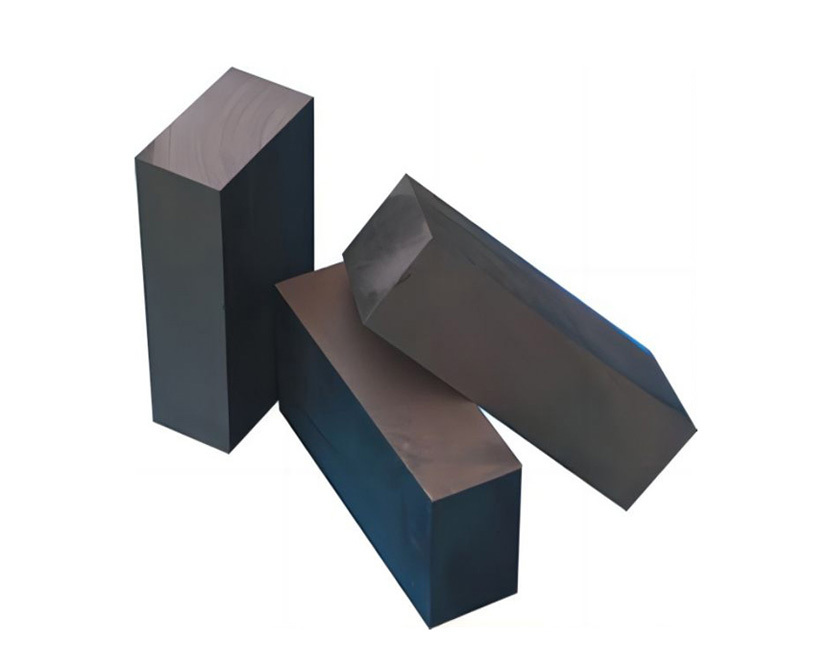
Understanding Regulatory Standards for Graphite Block Usage
Table of Contents
- 1. Introduction to Graphite Block Usage
- 2. Importance of Regulatory Standards
- 3. Key Regulatory Bodies and Standards
- 4. Safety and Quality Assurance Measures
- 5. Environmental Regulations in Graphite Production
- 6. Compliance Requirements for Manufacturers
- 7. Best Practices in Graphite Block Usage
- 8. Future Trends and Regulatory Challenges
- 9. FAQs About Graphite Block Usage
- 10. Conclusion
1. Introduction to Graphite Block Usage
Graphite blocks are essential components in various industries, notably in electrical applications, heat resistance, and as lubricants. Understanding the regulatory framework surrounding graphite blocks is crucial, as it ensures both safety and compliance. These standards are designed to protect not only the users but also the environment from potential hazards associated with graphite block usage.
2. Importance of Regulatory Standards
Regulatory standards serve several vital functions in the graphite block industry. First, they safeguard the health and safety of workers involved in the production and application of graphite blocks. Second, these regulations help maintain a level playing field among manufacturers by establishing baseline performance and quality metrics. Lastly, adherence to standards fosters consumer confidence, ensuring that products meet specific safety and quality expectations.
3. Key Regulatory Bodies and Standards
Several key organizations govern the regulatory landscape for graphite blocks. These include:
3.1 International Organization for Standardization (ISO)
ISO develops and publishes international standards that cover various aspects of graphite block production, including quality management systems and environmental performance.
3.2 American Society for Testing and Materials (ASTM)
ASTM provides comprehensive guidelines for testing the mechanical and physical properties of graphite materials. Their standards ensure consistent quality across different manufacturers.
3.3 Environmental Protection Agency (EPA)
The EPA enforces laws that regulate the environmental impact of graphite production, aiming to minimize pollutants and hazardous waste.
4. Safety and Quality Assurance Measures
Safety is paramount in the handling and production of graphite blocks. Adhering to safety standards mitigates risks associated with dust exposure and chemical handling. Quality assurance measures, such as regular testing and certification, ensure that graphite blocks meet industry-specific requirements.
4.1 Handling and Storage Guidelines
Proper handling and storage of graphite blocks are essential to prevent contamination and ensure quality. Manufacturers must implement protocols that address the safe movement and storage locations of graphite materials.
4.2 Regular Compliance Audits
Conducting regular audits helps companies identify potential gaps in their compliance with safety and quality standards. These audits are instrumental in maintaining high operational standards.
5. Environmental Regulations in Graphite Production
Environmental considerations are integral to the graphite block industry. Regulations focus on reducing emissions, managing waste, and promoting sustainable practices.
5.1 Pollution Control Measures
Graphite producers must implement pollution control measures to limit airborne and waterborne pollutants. This includes the use of advanced filtration systems and waste treatment technologies.
5.2 Sustainable Sourcing of Raw Materials
Sourcing graphite from sustainable suppliers is increasingly important. Regulations encourage practices that minimize environmental degradation, such as responsible mining and recycling of materials.
6. Compliance Requirements for Manufacturers
Manufacturers of graphite blocks must navigate a complex landscape of compliance requirements.
6.1 Certification Processes
Obtaining the necessary certifications, such as ISO 9001 for quality management, is crucial for manufacturers looking to demonstrate their commitment to quality and regulatory compliance.
6.2 Documentation and Record-Keeping
Thorough documentation is essential for compliance. Manufacturers must maintain detailed records of production processes, quality testing, and safety measures to demonstrate adherence to regulatory standards.
7. Best Practices in Graphite Block Usage
Implementing best practices can significantly enhance the safety and effectiveness of graphite block usage.
7.1 Staff Training and Development
Regular training programs for staff on safety protocols and quality assurance practices can reduce risks and improve operational efficiency.
7.2 Monitoring and Evaluation
Ongoing monitoring and evaluation of graphite block performance can identify potential issues early, allowing for timely corrective actions.
8. Future Trends and Regulatory Challenges
As technology advances, the graphite block industry will face new regulatory challenges. Emerging technologies, such as electric vehicles and renewable energy storage systems, will drive demand for high-quality graphite blocks, necessitating updated regulations.
8.1 Adapting to Technological Changes
Manufacturers must stay informed about technological advancements to adapt their practices and comply with new regulations effectively.
8.2 Global Standardization Efforts
International efforts to harmonize regulatory standards can present both opportunities and challenges. Companies must navigate varying regulations across different regions while striving for compliance.
9. FAQs About Graphite Block Usage
9.1 What are graphite blocks used for?
Graphite blocks are used in applications such as electrical conductors, heat-resistant materials, and lubricants in various industries.
9.2 What regulatory bodies oversee graphite production?
Key regulatory bodies include the ISO, ASTM, and the EPA, which set standards for quality, safety, and environmental impact.
9.3 How can manufacturers ensure compliance with regulations?
Manufacturers can ensure compliance by obtaining necessary certifications, maintaining thorough documentation, and conducting regular audits.
9.4 What are the environmental impacts of graphite production?
Graphite production can lead to pollution and waste generation, but regulations are in place to minimize these impacts through proper management practices.
9.5 What trends are shaping the future of graphite block usage?
Emerging technologies, such as electric vehicles and renewable energy systems, are increasing demand for high-quality graphite blocks and necessitating updated regulatory frameworks.
10. Conclusion
Understanding regulatory standards for graphite block usage is essential for manufacturers and users alike. Compliance with these standards ensures safety, quality, and environmental responsibility, ultimately fostering trust in the industry. As technological advancements continue to shape the future, staying informed and adaptable will be key to navigating the evolving regulatory landscape. By adhering to best practices and prioritizing compliance, stakeholders can contribute to a sustainable and responsible graphite block industry.
Contact Us
E-mail:
Phone/WhatsApp:
+86 15711363051
Address:
Xingchuang International C912, Xinya Street No.15, Daxing District, Beijing, China



Contact
TEL: +8615711363051
EMAIL: sales@topflymaterial.com
ADD: Xingchuang International C912, Xinya Street No.15, Daxing District, Beijing, China