
Understanding the Process of Producing High Purity Graphite: A Comprehensive Guide
May 15,2026
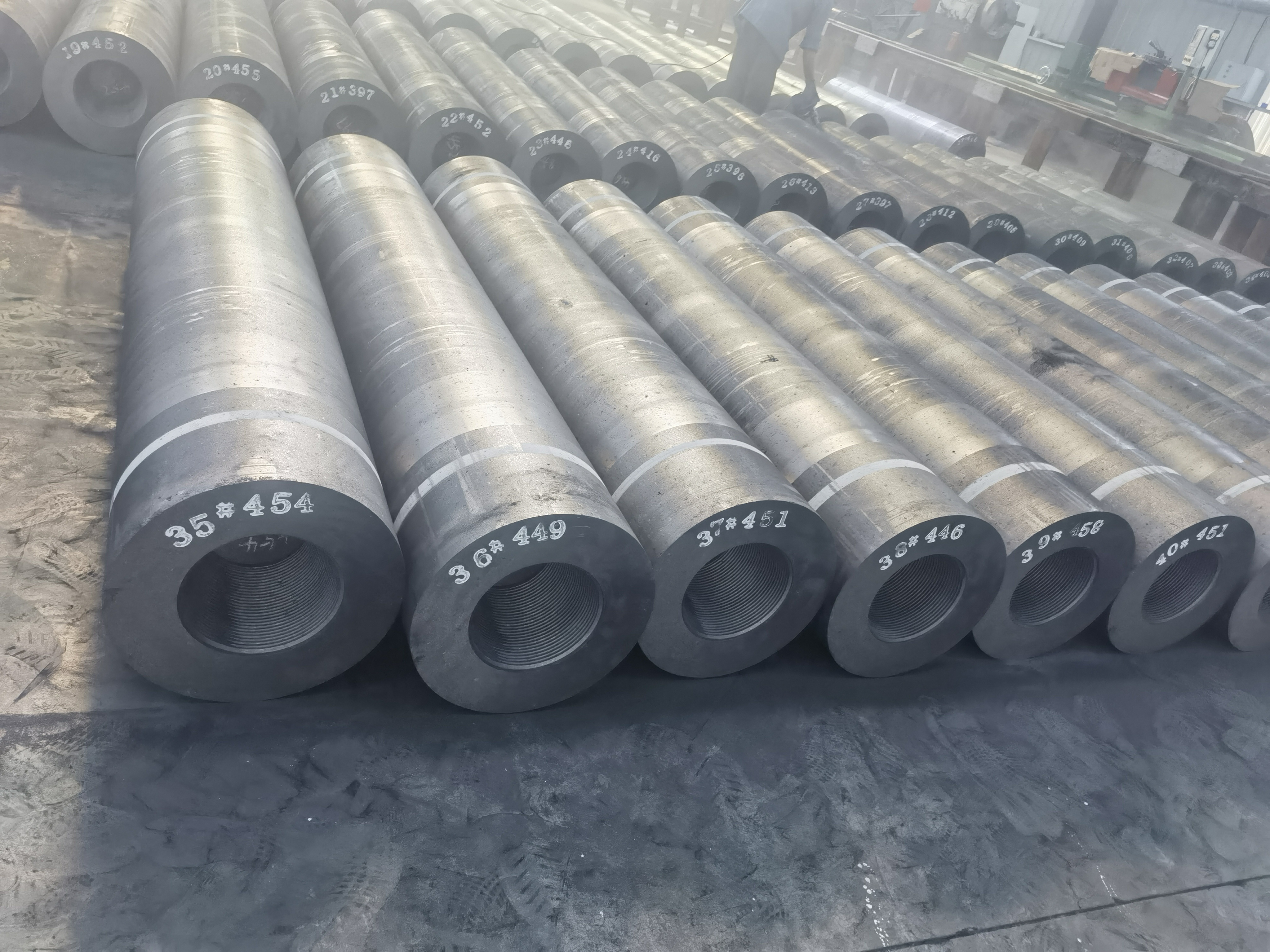
Understanding the Process of Producing High Purity Graphite
Table of Contents
1. Introduction to High Purity Graphite
2. Importance of High Purity Graphite in Various Industries
3. Raw Materials Used in Graphite Production
3.1 Natural Graphite Sources
3.2 Synthetic Graphite Production
4. The Graphite Manufacturing Process
4.1 Mining and Ore Preparation
4.2 Crushing and Grinding
4.3 Flotation Process
4.4 Purification Techniques
5. Quality Control and Testing Methods
6. Applications of High Purity Graphite
6.1 Battery Manufacturing
6.2 Electronics and Semiconductors
6.3 Lubricants and Coatings
7. The Future of High Purity Graphite Production
8. Conclusion
9. FAQs about High Purity Graphite Production
1. Introduction to High Purity Graphite
High purity graphite is a form of graphite that boasts exceptional purity levels, often exceeding 99.9%. This unique characteristic makes it highly sought after in various industries, including electronics, energy storage, and advanced materials. Understanding the process of producing high purity graphite is crucial for both manufacturers and consumers aiming to harness its benefits.
2. Importance of High Purity Graphite in Various Industries
High purity graphite plays a pivotal role in numerous applications. Its excellent electrical conductivity, thermal resistance, and chemical stability make it indispensable for specific high-tech industries. As the demand for electric vehicles and renewable energy solutions grows, so does the need for high purity graphite in lithium-ion batteries and other energy-related applications.
3. Raw Materials Used in Graphite Production
3.1 Natural Graphite Sources
Natural graphite is mined from deposits worldwide, with significant sources found in China, Brazil, and Canada. The extraction process involves several stages, including exploration, mining, and processing, to ensure the maximum yield of high-grade graphite.
3.2 Synthetic Graphite Production
Synthetic graphite is produced from carbon-rich materials, such as petroleum coke and coal tar pitch. This method allows for better control over the properties of the final product, making it suitable for specific applications requiring tailored characteristics.
4. The Graphite Manufacturing Process
4.1 Mining and Ore Preparation
The production process begins with mining natural graphite ore. Once extracted, it undergoes preliminary processing, which includes crushing and milling to reduce the size of the ore and facilitate further processing.
4.2 Crushing and Grinding
Crushing and grinding are essential steps that break down the mined graphite into smaller particles. This step aims to liberate the graphite flakes from the surrounding rock and prepare them for the subsequent flotation process.
4.3 Flotation Process
Flotation is a critical step in the purification of graphite. In this process, chemicals are added to a slurry of ground graphite and water, creating a frothy mixture. The lighter graphite particles attach to the bubbles and float to the surface while the waste material sinks. This step significantly increases the concentration of graphite.
4.4 Purification Techniques
To achieve high purity levels, further purification techniques such as acid leaching, thermal treatment, or alkali treatment may be implemented. These methods remove impurities, including metallic contaminants and non-graphitic carbon, ensuring the final product meets stringent industry standards.
5. Quality Control and Testing Methods
Quality control is paramount in graphite production. Advanced analytical techniques such as X-ray diffraction (XRD), scanning electron microscopy (SEM), and atomic absorption spectroscopy (AAS) are employed to assess the purity and structural integrity of the graphite. Regular quality checks throughout the manufacturing process ensure consistency and adherence to specifications.
6. Applications of High Purity Graphite
6.1 Battery Manufacturing
High purity graphite is a key component in lithium-ion batteries, serving as an anode material. Its excellent electrical conductivity enhances energy storage capacity, making it essential for electric vehicles and portable electronics.
6.2 Electronics and Semiconductors
In the electronics industry, high purity graphite is used in the production of semiconductors and microchips. Its thermal management properties help dissipate heat, ensuring optimal performance of electronic devices.
6.3 Lubricants and Coatings
High purity graphite also finds applications in lubricants and coatings. Its low friction properties make it an effective lubricant in various mechanical systems, while its chemical inertness allows it to be used in protective coatings.
7. The Future of High Purity Graphite Production
As technological advancements and environmental concerns shape the industry, the future of high purity graphite production looks promising. Innovations in recycling, sustainable sourcing, and alternative production methods are being explored to meet the rising demand while minimizing environmental impact.
8. Conclusion
Understanding the complex process of producing high purity graphite is essential for industries that rely on this versatile material. From mining and purification to quality control and application, each stage plays a critical role in ensuring the production of high-quality graphite. As industries continue to evolve, the demand for high purity graphite will only increase, highlighting the importance of innovation and sustainability in its production.
9. FAQs about High Purity Graphite Production
What is high purity graphite?
High purity graphite refers to graphite with a purity level of 99.9% or more, making it suitable for critical applications in electronics, batteries, and advanced materials.
How is natural graphite mined?
Natural graphite is extracted through mining processes that include exploration, extraction, and initial processing of graphite ore.
What are the differences between natural and synthetic graphite?
Natural graphite is mined from the earth, while synthetic graphite is artificially produced from carbon-rich materials, allowing for tailored properties.
What purification techniques are used for high purity graphite?
Purification techniques include acid leaching, thermal treatment, and alkali treatment, all aimed at removing impurities and enhancing the purity of graphite.
What are the primary applications of high purity graphite?
High purity graphite is primarily used in battery manufacturing, electronics, lubricants, and coatings, thanks to its excellent conductivity and thermal management properties.
Contact Us
E-mail:
Phone/WhatsApp:
+86 15711363051
Address:
Xingchuang International C912, Xinya Street No.15, Daxing District, Beijing, China



Contact
TEL: +8615711363051
EMAIL: sales@topflymaterial.com
ADD: Xingchuang International C912, Xinya Street No.15, Daxing District, Beijing, China