
The Versatility and Benefits of Graphite Boats in Metallurgy
May 02,2026
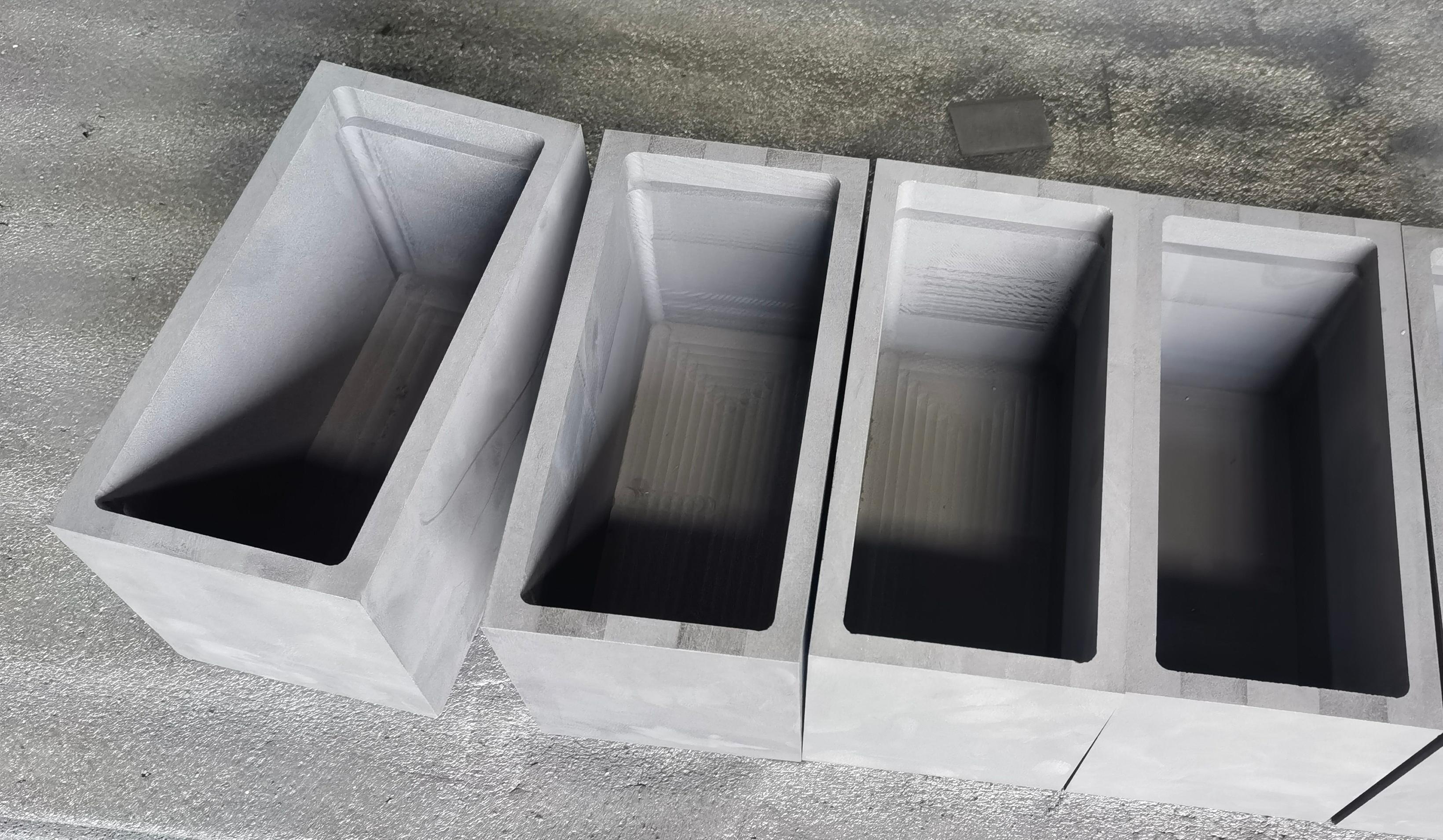
Graphite boats are an indispensable component in the metallurgy and mineral processing industries, particularly for applications involving non-metallic mineral products such as graphite and carbon-based materials. These specialized containers are primarily used for the melting, casting, and handling of various materials at high temperatures, making them a crucial asset in numerous industrial processes.
One of the primary features of graphite boats is their exceptional thermal stability. Graphite can withstand high temperatures without deforming, which is vital in applications that require precise temperature control. This property helps to improve the efficiency of operational processes, as materials can be processed at optimal temperatures without compromising the integrity of the container.
Furthermore, graphite boats exhibit excellent chemical resistance. Many metallurgical processes involve corrosive substances, and graphite's inert nature allows it to resist oxidation and chemical reactions that could otherwise damage standard containers. As a result, graphite boats are ideal for a variety of applications, from the casting of metals to the processing of advanced materials.
Another advantage of using graphite boats is their lightweight yet strong structure. This characteristic makes them easy to handle, transport, and integrate into various production environments. Their durability ensures a longer service life, reducing the frequency of replacements and thus contributing to cost savings in the long run. Moreover, the lightweight nature of graphite boats allows for improved energy efficiency during transportation and handling, further optimizing operational workflows.
When selecting a graphite boat for a specific application, several factors should be considered. These include the maximum operating temperature, the type of materials being processed, and the specific environmental conditions. Understanding these parameters can help in choosing the most suitable graphite boat that meets the unique demands of the application.
In addition to their practical benefits, graphite boats also play a role in enhancing product quality. The even distribution of heat facilitated by these boats minimizes the risk of thermal gradients, leading to more uniform and high-quality outputs in casting and melting applications. This is particularly important in industries where precision and consistency are critical.
In conclusion, graphite boats are an essential tool in the metallurgy and mineral processing sectors, offering unparalleled thermal stability, chemical resistance, and durability. Their suitability for high-temperature applications, coupled with their lightweight design, makes them a preferred choice for many industrial processes. By understanding the properties and advantages of graphite boats, industry professionals can make informed decisions that enhance efficiency and product quality in their operations.
One of the primary features of graphite boats is their exceptional thermal stability. Graphite can withstand high temperatures without deforming, which is vital in applications that require precise temperature control. This property helps to improve the efficiency of operational processes, as materials can be processed at optimal temperatures without compromising the integrity of the container.
Furthermore, graphite boats exhibit excellent chemical resistance. Many metallurgical processes involve corrosive substances, and graphite's inert nature allows it to resist oxidation and chemical reactions that could otherwise damage standard containers. As a result, graphite boats are ideal for a variety of applications, from the casting of metals to the processing of advanced materials.
Another advantage of using graphite boats is their lightweight yet strong structure. This characteristic makes them easy to handle, transport, and integrate into various production environments. Their durability ensures a longer service life, reducing the frequency of replacements and thus contributing to cost savings in the long run. Moreover, the lightweight nature of graphite boats allows for improved energy efficiency during transportation and handling, further optimizing operational workflows.
When selecting a graphite boat for a specific application, several factors should be considered. These include the maximum operating temperature, the type of materials being processed, and the specific environmental conditions. Understanding these parameters can help in choosing the most suitable graphite boat that meets the unique demands of the application.
In addition to their practical benefits, graphite boats also play a role in enhancing product quality. The even distribution of heat facilitated by these boats minimizes the risk of thermal gradients, leading to more uniform and high-quality outputs in casting and melting applications. This is particularly important in industries where precision and consistency are critical.
In conclusion, graphite boats are an essential tool in the metallurgy and mineral processing sectors, offering unparalleled thermal stability, chemical resistance, and durability. Their suitability for high-temperature applications, coupled with their lightweight design, makes them a preferred choice for many industrial processes. By understanding the properties and advantages of graphite boats, industry professionals can make informed decisions that enhance efficiency and product quality in their operations.
Contact Us
E-mail:
Phone/WhatsApp:
+86 15711363051
Address:
Xingchuang International C912, Xinya Street No.15, Daxing District, Beijing, China



Contact
TEL: +8615711363051
EMAIL: sales@topflymaterial.com
ADD: Xingchuang International C912, Xinya Street No.15, Daxing District, Beijing, China