
The Versatile Applications and Benefits of Molded Graphite
Apr 30,2026
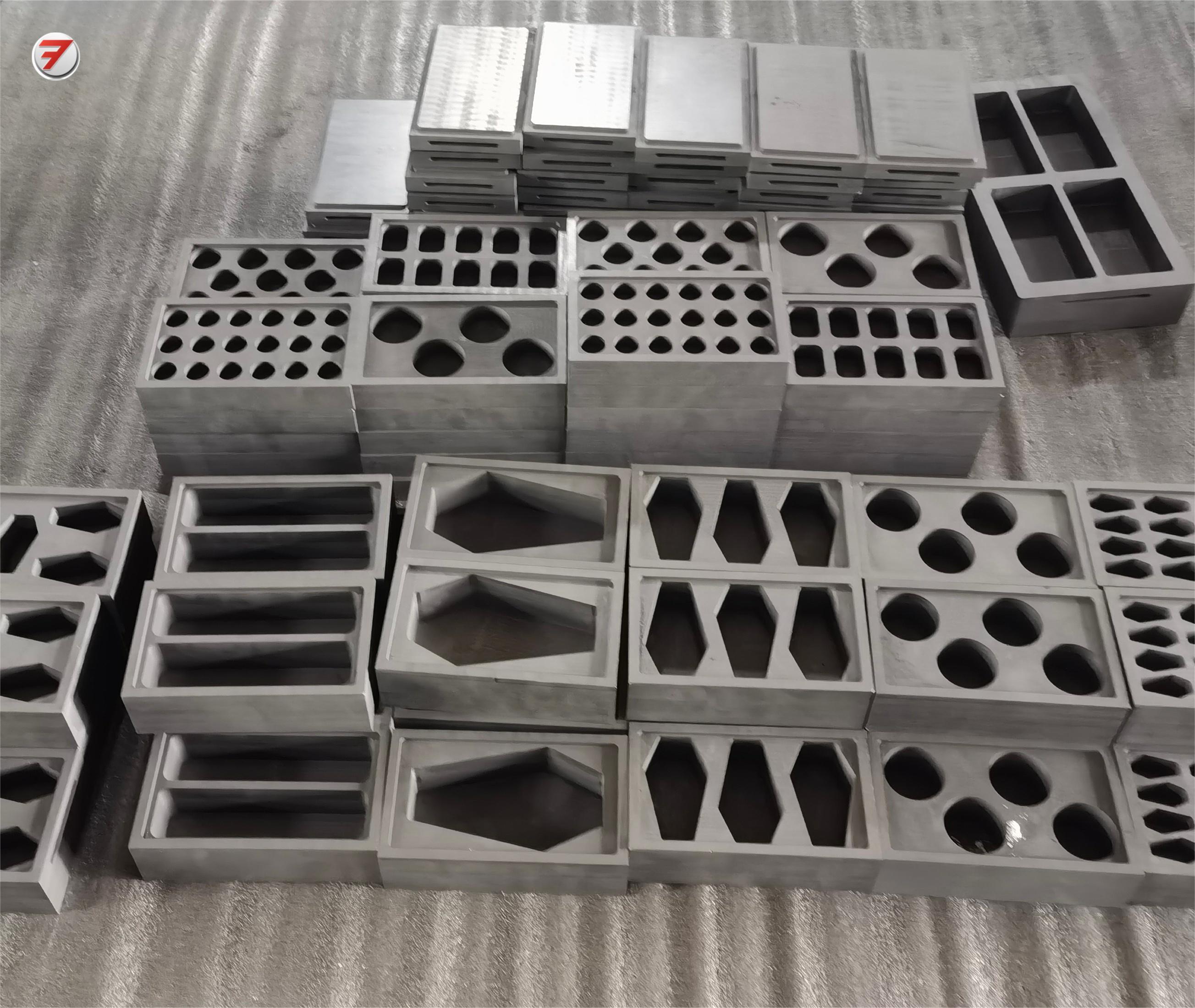
Molded graphite is a form of graphite that is shaped and solidified into specific forms through various molding techniques. Its unique characteristics, such as excellent thermal conductivity, chemical resistance, and low friction, make it an ideal choice for numerous applications. In metallurgy, molded graphite plays a pivotal role, especially in the manufacture of components used in high-temperature environments.
One of the primary benefits of molded graphite is its exceptional thermal stability. It can withstand extreme temperatures without deforming or losing its structural integrity. This property makes it suitable for use in applications like furnace linings, where materials must endure intense heat without compromise. Additionally, its ability to conduct heat efficiently allows for better energy management in industrial processes, leading to improved operational efficiency.
Another significant advantage of molded graphite is its excellent resistance to chemical corrosion. It can withstand aggressive chemicals and environments, making it ideal for applications in the chemical processing industry. This resistance also extends to its interactions with molten metals, making it a popular choice for foundries and metal casting operations.
The manufacturing process of molded graphite typically involves mixing graphite powder with a binder, followed by shaping the mixture into the desired form through molding techniques. The molded product is then subjected to high-temperature treatment, which enhances its properties, such as density and strength. This process allows for a variety of shapes and sizes, catering to specific application requirements.
Molded graphite's low friction properties make it an excellent material for mechanical applications, such as bearings and seals. It reduces wear and tear on machinery, thereby prolonging the lifespan of components and enhancing overall efficiency. This characteristic is particularly valued in industries where machinery operates under high stress and load conditions.
In addition to its industrial applications, molded graphite is also utilized in the energy sector, particularly in the production of electrodes for electric arc furnaces. These electrodes are crucial for steelmaking, as they facilitate the melting of scrap metal. The conductivity and thermal properties of molded graphite make it an exceptional choice for this purpose, ensuring effective and efficient energy transfer.
In summary, molded graphite is a versatile and highly beneficial material for various industrial applications, particularly in metallurgy and energy. Its unique properties, including thermal stability, chemical resistance, and low friction, make it an ideal choice for a wide range of uses. As industries continue to evolve, molded graphite is likely to remain a vital component in the development of advanced materials and processes.
One of the primary benefits of molded graphite is its exceptional thermal stability. It can withstand extreme temperatures without deforming or losing its structural integrity. This property makes it suitable for use in applications like furnace linings, where materials must endure intense heat without compromise. Additionally, its ability to conduct heat efficiently allows for better energy management in industrial processes, leading to improved operational efficiency.
Another significant advantage of molded graphite is its excellent resistance to chemical corrosion. It can withstand aggressive chemicals and environments, making it ideal for applications in the chemical processing industry. This resistance also extends to its interactions with molten metals, making it a popular choice for foundries and metal casting operations.
The manufacturing process of molded graphite typically involves mixing graphite powder with a binder, followed by shaping the mixture into the desired form through molding techniques. The molded product is then subjected to high-temperature treatment, which enhances its properties, such as density and strength. This process allows for a variety of shapes and sizes, catering to specific application requirements.
Molded graphite's low friction properties make it an excellent material for mechanical applications, such as bearings and seals. It reduces wear and tear on machinery, thereby prolonging the lifespan of components and enhancing overall efficiency. This characteristic is particularly valued in industries where machinery operates under high stress and load conditions.
In addition to its industrial applications, molded graphite is also utilized in the energy sector, particularly in the production of electrodes for electric arc furnaces. These electrodes are crucial for steelmaking, as they facilitate the melting of scrap metal. The conductivity and thermal properties of molded graphite make it an exceptional choice for this purpose, ensuring effective and efficient energy transfer.
In summary, molded graphite is a versatile and highly beneficial material for various industrial applications, particularly in metallurgy and energy. Its unique properties, including thermal stability, chemical resistance, and low friction, make it an ideal choice for a wide range of uses. As industries continue to evolve, molded graphite is likely to remain a vital component in the development of advanced materials and processes.
Contact Us
E-mail:
Phone/WhatsApp:
+86 15711363051
Address:
Xingchuang International C912, Xinya Street No.15, Daxing District, Beijing, China



Contact
TEL: +8615711363051
EMAIL: sales@topflymaterial.com
ADD: Xingchuang International C912, Xinya Street No.15, Daxing District, Beijing, China