
The Essential Role of Graphite Electrodes in Modern Metallurgy
Apr 06,2026
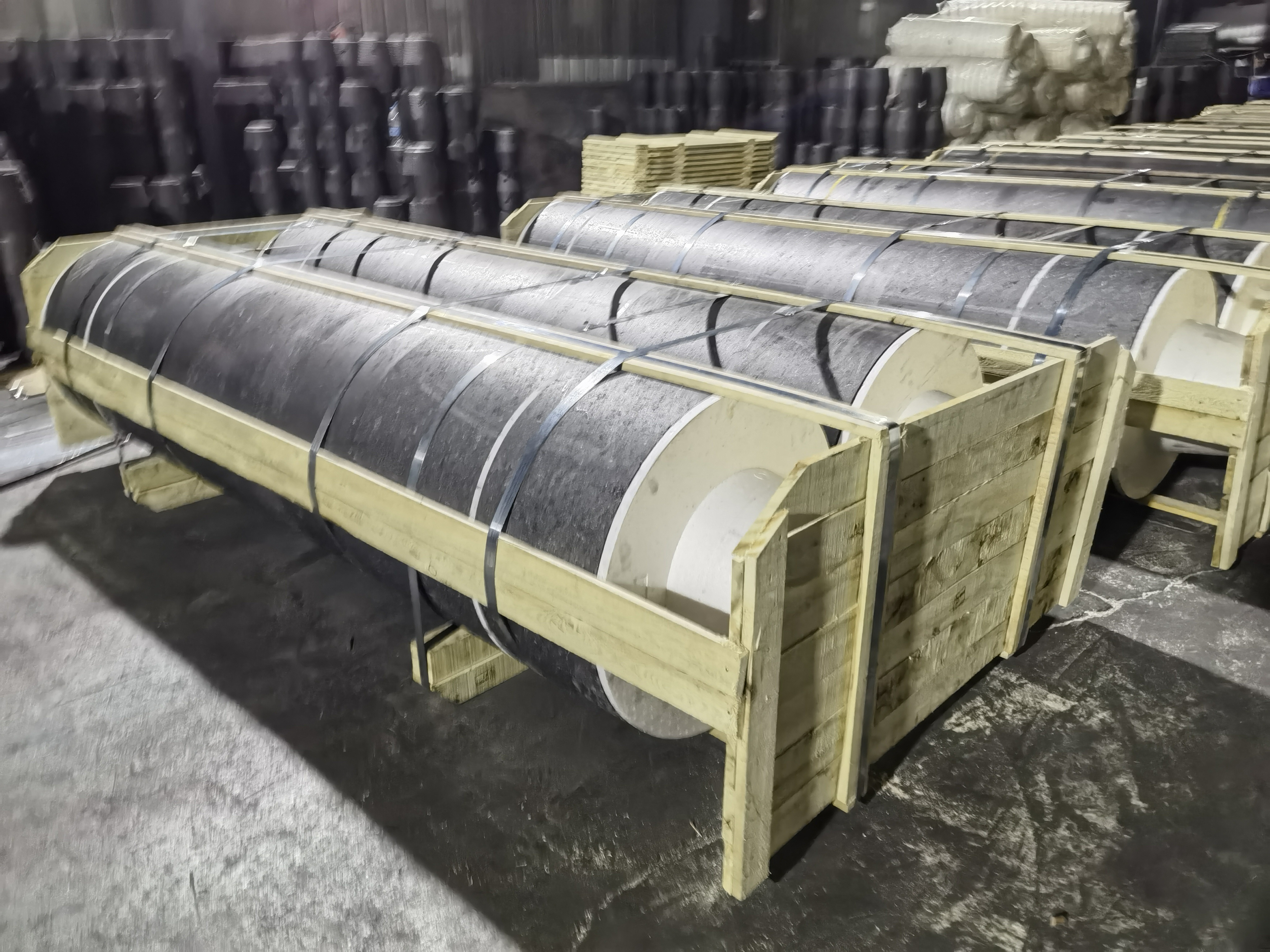
Graphite electrodes have become indispensable components in the metallurgy and energy sectors, particularly in the production of steel and other alloys. Their unique properties, such as high thermal conductivity, excellent electrical conductivity, and resilience to thermal shock, make them ideal for a variety of industrial applications.
At their core, graphite electrodes are primarily used in electric arc furnaces (EAFs), which are vital for steel manufacturing. When an electric current is passed through the electrodes, they generate high temperatures that facilitate the melting of scrap steel or other ferrous materials. This process not only reduces the need for raw iron ore but also promotes recycling, making it an environmentally friendly choice. The efficiency of graphite electrodes allows for rapid heating and melting, significantly reducing energy consumption and operational costs.
In addition to their role in EAFs, graphite electrodes are also utilized in various other metallurgical processes, including the production of ferroalloys and the smelting of non-ferrous metals. The versatility of graphite makes it a preferred choice in different applications, providing reliable performance and durability even under extreme conditions.
Another noteworthy aspect of graphite electrodes is their ability to withstand oxidation at high temperatures, which is essential for maintaining the integrity of the materials being processed. This characteristic helps ensure consistent quality in the final products, an objective of paramount importance in metal production.
Moreover, the increasing demand for high-performance materials in industries like automotive, aerospace, and construction has led to a surge in the usage of graphite electrodes. As manufacturers seek to enhance the strength and performance of their products, the role of graphite electrodes in facilitating these advancements cannot be overstated.
The market dynamics surrounding graphite electrodes are also closely tied to the global trends in energy consumption and environmental regulations. With the push towards greener technologies, the demand for electric arc furnaces, which rely on graphite electrodes, is expected to grow. This shift presents opportunities for professionals in the metallurgy and energy sectors, as they adapt to changing demands and seek innovative solutions to improve efficiency and sustainability.
In conclusion, graphite electrodes are a cornerstone of modern metallurgy, offering critical advantages in energy efficiency, material quality, and environmental responsibility. Understanding their properties and applications is essential for professionals aiming to thrive in the ever-evolving landscape of non-metallic mineral products and carbon-based solutions. As industries continue to innovate, the significance of graphite electrodes will remain a focal point in the pursuit of advanced manufacturing processes.
At their core, graphite electrodes are primarily used in electric arc furnaces (EAFs), which are vital for steel manufacturing. When an electric current is passed through the electrodes, they generate high temperatures that facilitate the melting of scrap steel or other ferrous materials. This process not only reduces the need for raw iron ore but also promotes recycling, making it an environmentally friendly choice. The efficiency of graphite electrodes allows for rapid heating and melting, significantly reducing energy consumption and operational costs.
In addition to their role in EAFs, graphite electrodes are also utilized in various other metallurgical processes, including the production of ferroalloys and the smelting of non-ferrous metals. The versatility of graphite makes it a preferred choice in different applications, providing reliable performance and durability even under extreme conditions.
Another noteworthy aspect of graphite electrodes is their ability to withstand oxidation at high temperatures, which is essential for maintaining the integrity of the materials being processed. This characteristic helps ensure consistent quality in the final products, an objective of paramount importance in metal production.
Moreover, the increasing demand for high-performance materials in industries like automotive, aerospace, and construction has led to a surge in the usage of graphite electrodes. As manufacturers seek to enhance the strength and performance of their products, the role of graphite electrodes in facilitating these advancements cannot be overstated.
The market dynamics surrounding graphite electrodes are also closely tied to the global trends in energy consumption and environmental regulations. With the push towards greener technologies, the demand for electric arc furnaces, which rely on graphite electrodes, is expected to grow. This shift presents opportunities for professionals in the metallurgy and energy sectors, as they adapt to changing demands and seek innovative solutions to improve efficiency and sustainability.
In conclusion, graphite electrodes are a cornerstone of modern metallurgy, offering critical advantages in energy efficiency, material quality, and environmental responsibility. Understanding their properties and applications is essential for professionals aiming to thrive in the ever-evolving landscape of non-metallic mineral products and carbon-based solutions. As industries continue to innovate, the significance of graphite electrodes will remain a focal point in the pursuit of advanced manufacturing processes.
PREVIOUS:
Contact Us
E-mail:
Phone/WhatsApp:
+86 15711363051
Address:
Xingchuang International C912, Xinya Street No.15, Daxing District, Beijing, China



Contact
TEL: +8615711363051
EMAIL: sales@topflymaterial.com
ADD: Xingchuang International C912, Xinya Street No.15, Daxing District, Beijing, China