
The Comprehensive Analysis of the Environmental Impact of High Purity Graphite Mining
Apr 05,2026
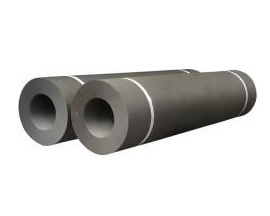
The Environmental Impact of High Purity Graphite Mining Explained
Table of Contents
- Introduction to High Purity Graphite Mining
- What is High Purity Graphite?
- The Mining Process of High Purity Graphite
- Environmental Challenges Associated with Graphite Mining
- Water Contamination and Its Effects
- Air Pollution from Graphite Mining Activities
- Land Degradation and Habitat Loss
- Sustainable Mining Practices for Graphite
- The Future of Graphite Mining and Environmental Impact
- Frequently Asked Questions
- Conclusion
Introduction to High Purity Graphite Mining
High purity graphite mining has gained significant attention due to its critical role in various industries, including battery production, lubricants, and advanced materials. As the demand for high purity graphite surges, understanding its environmental implications becomes crucial. This article provides a comprehensive overview of the environmental impact of high purity graphite mining, examining the processes involved and the challenges faced.
What is High Purity Graphite?
High purity graphite is a refined form of natural graphite that boasts over 99% carbon content. This form of graphite is essential for applications that require exceptional conductivity, thermal resistance, and chemical inertness. Industries such as electronics, automotive, and renewable energy technologies heavily rely on high purity graphite for the production of components like batteries, electrodes, and lubricants. However, its extraction process poses significant environmental risks that warrant detailed investigation.
The Mining Process of High Purity Graphite
The mining process for high purity graphite typically involves several stages, including exploration, extraction, and processing.
1. Exploration and Site Assessment
Before mining begins, extensive geological surveys are conducted to identify graphite deposits. Environmental impact assessments (EIAs) are also performed to evaluate the potential ecological effects of mining activities.
2. Extraction Methods
Graphite can be mined through two primary methods: open-pit mining and underground mining. Open-pit mining involves removing large quantities of soil and rock to expose graphite deposits, whereas underground mining digs tunnels to reach deeper veins of graphite. Each method has unique environmental implications, particularly in terms of land disturbance and habitat destruction.
3. Processing Techniques
Once extracted, graphite undergoes processing to remove impurities. This process often involves crushing, grinding, and flotation techniques. While necessary for producing high purity graphite, these steps can lead to waste generation and environmental contamination if not managed properly.
Environmental Challenges Associated with Graphite Mining
High purity graphite mining presents several environmental challenges that can significantly impact local ecosystems and communities.
Water Contamination and Its Effects
One of the most pressing issues related to graphite mining is water contamination. The mining and processing operations can introduce heavy metals and chemicals into local water sources, adversely affecting aquatic life and human health. Proper waste management practices are essential to mitigate these risks.
Air Pollution from Graphite Mining Activities
Air quality is another critical concern, as mining activities can release dust and particulate matter into the atmosphere. This pollution can contribute to respiratory problems in nearby populations and lead to broader environmental issues, such as climate change.
Land Degradation and Habitat Loss
The physical footprint of mining operations can lead to substantial land degradation. Open-pit mining, in particular, can result in significant habitat loss, affecting biodiversity and disrupting local ecosystems. Restoration and rehabilitation efforts are essential to minimize these impacts.
Sustainable Mining Practices for Graphite
As awareness of environmental issues grows, the mining industry is increasingly adopting sustainable practices to reduce the ecological impact of graphite extraction.
1. Eco-Friendly Extraction Techniques
Innovative extraction methods, such as selective mining and in-situ processing, can help reduce land disturbance and minimize waste generation.
2. Water Management Strategies
Implementing effective water management strategies can significantly reduce contamination risks. These may include recycling water used in mining processes and establishing treatment systems for contaminated water.
3. Reforestation and Habitat Restoration
Post-mining restoration efforts, including reforestation and habitat restoration, play a crucial role in mitigating the environmental impact of mining activities. These initiatives can help restore biodiversity and improve the resilience of local ecosystems.
The Future of Graphite Mining and Environmental Impact
The demand for high purity graphite is expected to rise as industries transition toward greener technologies. However, this necessitates a balanced approach that prioritizes environmental sustainability. Future mining operations will likely focus on enhancing efficiency while minimizing ecological footprints.
Technological Innovations
Advancements in mining technology, such as automated systems and real-time monitoring, can improve operational efficiency and reduce environmental risks.
Regulatory Frameworks
Stricter regulatory frameworks will be essential to ensure responsible mining practices. Policymakers and industry stakeholders must collaborate to establish guidelines that protect the environment while meeting industrial needs.
Frequently Asked Questions
1. What are the main environmental impacts of graphite mining?
The main environmental impacts include water contamination, air pollution, land degradation, and habitat loss.
2. How can water pollution be prevented in graphite mining?
Water pollution can be prevented through effective waste management, recycling water, and using treatment systems for contaminated water.
3. What are sustainable mining practices?
Sustainable mining practices include eco-friendly extraction methods, water management strategies, reforestation, and habitat restoration efforts.
4. Why is high purity graphite important?
High purity graphite is crucial for various industries, including lithium-ion batteries, lubricants, and advanced materials, due to its superior conductive and thermal properties.
5. What is the future of graphite mining?
The future of graphite mining will likely focus on enhancing efficiency, adopting innovative technologies, and prioritizing environmental sustainability.
Conclusion
High purity graphite mining plays a critical role in meeting the demands of modern industries. However, the environmental impacts associated with its extraction cannot be overlooked. By adopting sustainable practices and innovative technologies, the industry can balance its operational needs with environmental stewardship. As we navigate the future of graphite mining, a collective commitment to minimizing ecological footprints will be essential to protect our planet for generations to come.
Contact Us
E-mail:
Phone/WhatsApp:
+86 15711363051
Address:
Xingchuang International C912, Xinya Street No.15, Daxing District, Beijing, China



Contact
TEL: +8615711363051
EMAIL: sales@topflymaterial.com
ADD: Xingchuang International C912, Xinya Street No.15, Daxing District, Beijing, China