
The Intersection of Graphite Blocks and Advanced Materials Science: Innovations and Applications
Apr 03,2026
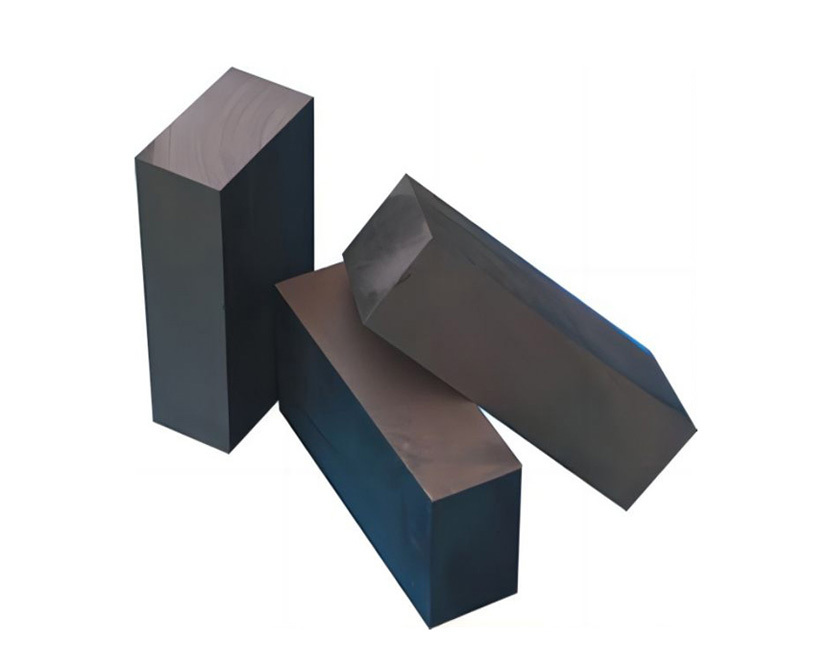
The Intersection of Graphite Blocks and Advanced Materials Science
Graphite, often overlooked in the realm of advanced materials science, holds significant potential for innovation across various sectors. This article delves into the unique properties of graphite blocks, their applications, and how they intersect with advanced materials science to drive technological advancements.
Understanding Graphite: Properties and Composition
Graphite is a naturally occurring form of carbon, characterized by its layered structure, which gives it unique properties that set it apart from other materials. The crystalline arrangement of carbon atoms enables graphite to conduct electricity efficiently, making it an ideal material for various applications.
Chemical Structure and Physical Properties
The molecular structure of graphite consists of hexagonal arrangements of carbon atoms. This structure allows for excellent thermal conductivity, lubricity, and corrosion resistance. Key physical properties of graphite include:
- **Electrical Conductivity**: Graphite is an excellent conductor of electricity, making it useful in electronic applications.
- **Thermal Conductivity**: It can withstand high temperatures without deforming, which is crucial for industries such as metallurgy and aerospace.
- **Lubrication**: Its layered structure provides natural lubrication properties, reducing friction and wear in mechanical systems.
Types of Graphite Blocks
Graphite blocks can be categorized into several types based on their properties and intended applications:
1. **Natural Graphite**: Mined from the earth, natural graphite is often used in battery manufacturing and lubricants.
2. **Synthetic Graphite**: Produced through the high-temperature treatment of carbon-containing materials, synthetic graphite is used in applications requiring high purity and specific properties, such as electrodes for electric arc furnaces.
3. **Expanded Graphite**: By subjecting natural graphite to high temperatures, expanded graphite can be created, offering excellent thermal insulation properties.
Applications of Graphite Blocks in Advanced Materials
Graphite blocks have found applications in a myriad of fields, thanks to their unique properties. This section explores the key areas where graphite is making a significant impact.
1. Energy Storage Solutions
One of the most promising applications of graphite blocks is in the field of energy storage, particularly in lithium-ion batteries. The anode materials made from graphite are critical for the performance and efficiency of these batteries.
The Role of Graphite in Battery Technology
Graphite's ability to intercalate lithium ions allows for high energy density and cycle stability, making it an essential component in modern electric vehicles and renewable energy storage systems.
2. Advanced Electronics
Graphite blocks are also crucial in the electronics industry, where they are used in various components, including capacitors, resistors, and thermal management solutions.
Thermal Management in Electronic Devices
The thermal conductivity of graphite is leveraged to dissipate heat in electronic devices, enhancing performance and longevity. Efficient thermal management is vital for maintaining optimal operating temperatures in high-performance computing and telecommunications systems.
3. Aerospace and Defense
In aerospace, graphite blocks are utilized for their lightweight and high-strength properties.
Innovations in Aerospace Materials
Graphite composites are increasingly used in the manufacturing of aircraft components, contributing to fuel efficiency and reduced weight. This innovation is critical for meeting the stringent regulations of the aerospace industry.
4. Metallurgy and Foundry Applications
Graphite blocks play a vital role in metal casting and the foundry industry.
Graphite Crucibles and Molds
Graphite crucibles, used for melting metals, offer excellent thermal stability and resistance to thermal shock. They are essential for producing high-quality metal castings, particularly in the production of alloys.
Recent Innovations in Graphite Block Technology
The field of advanced materials science is constantly evolving, and graphite blocks are at the forefront of several innovations.
1. Graphene Production
Graphene, a single layer of carbon atoms arranged in a two-dimensional lattice, is derived from graphite. It possesses extraordinary electrical, thermal, and mechanical properties, paving the way for advancements in nanotechnology and materials science.
Applications of Graphene
Graphene's application spans various fields, including:
- **Flexible Electronics**: Used in flexible displays and wearable technology.
- **Composite Materials**: Enhances the strength and durability of conventional materials.
- **Energy Storage**: Improves the performance of batteries and supercapacitors.
2. Smart Materials
Graphite blocks are being integrated into smart materials, enhancing their functionality and adaptability.
Self-Healing Materials
Research is ongoing into incorporating graphite into self-healing polymers, allowing materials to repair themselves after damage, which could significantly extend their lifespan and effectiveness in various applications.
The Future of Graphite in Advanced Materials Science
As the demands of modern technology continue to evolve, the role of graphite in advanced materials science is expected to expand.
Sustainable Practices in Graphite Production
There is a growing emphasis on sustainable mining and production methods for graphite.
Recycling Graphite Waste
Innovative recycling techniques are being developed to reclaim graphite from spent batteries and other sources, reducing environmental impact and promoting resource efficiency.
Research and Development Trends
Ongoing research into the multifunctional properties of graphite blocks will likely lead to new applications and improvements in existing industries.
Collaboration between Industries
Collaboration between academia and industry will accelerate the development of new technologies and applications, ensuring that graphite remains a key player in advanced materials science.
FAQs about Graphite Blocks and Advanced Materials Science
1. What are the primary uses of graphite blocks in industry?
Graphite blocks are primarily used in energy storage, electronics, aerospace, metallurgy, and advanced composite materials.
2. How does graphite compare to other materials in terms of conductivity?
Graphite is one of the best conductors of electricity and heat among non-metals, outperforming many other materials in these aspects.
3. What is graphene, and how is it related to graphite?
Graphene is a single layer of carbon atoms derived from graphite, known for its exceptional electrical, thermal, and mechanical properties.
4. Can graphite blocks be recycled?
Yes, graphite can be recycled, particularly from spent batteries and other industrial processes, contributing to sustainable practices.
5. What innovations are currently being explored in graphite technology?
Innovations include the development of smart materials, advancements in graphene production, and sustainable graphite recycling methods.
Conclusion
The intersection of graphite blocks and advanced materials science is a dynamic and rapidly evolving field, rich with potential. As industries continue to explore the unique properties and applications of graphite, we can expect to see significant advancements that drive innovation across multiple sectors. From energy storage solutions to aerospace applications, the future of graphite in materials science looks promising, bolstered by ongoing research, technological advancements, and a commitment to sustainability. As we navigate this exciting landscape, the contributions of graphite will undoubtedly play a pivotal role in shaping the materials of tomorrow.
Contact Us
E-mail:
Phone/WhatsApp:
+86 15711363051
Address:
Xingchuang International C912, Xinya Street No.15, Daxing District, Beijing, China



Contact
TEL: +8615711363051
EMAIL: sales@topflymaterial.com
ADD: Xingchuang International C912, Xinya Street No.15, Daxing District, Beijing, China