
The Evolution of Graphite Electrode Technology in Energy Applications: Advancements, Challenges, and Future Directions
Mar 30,2026
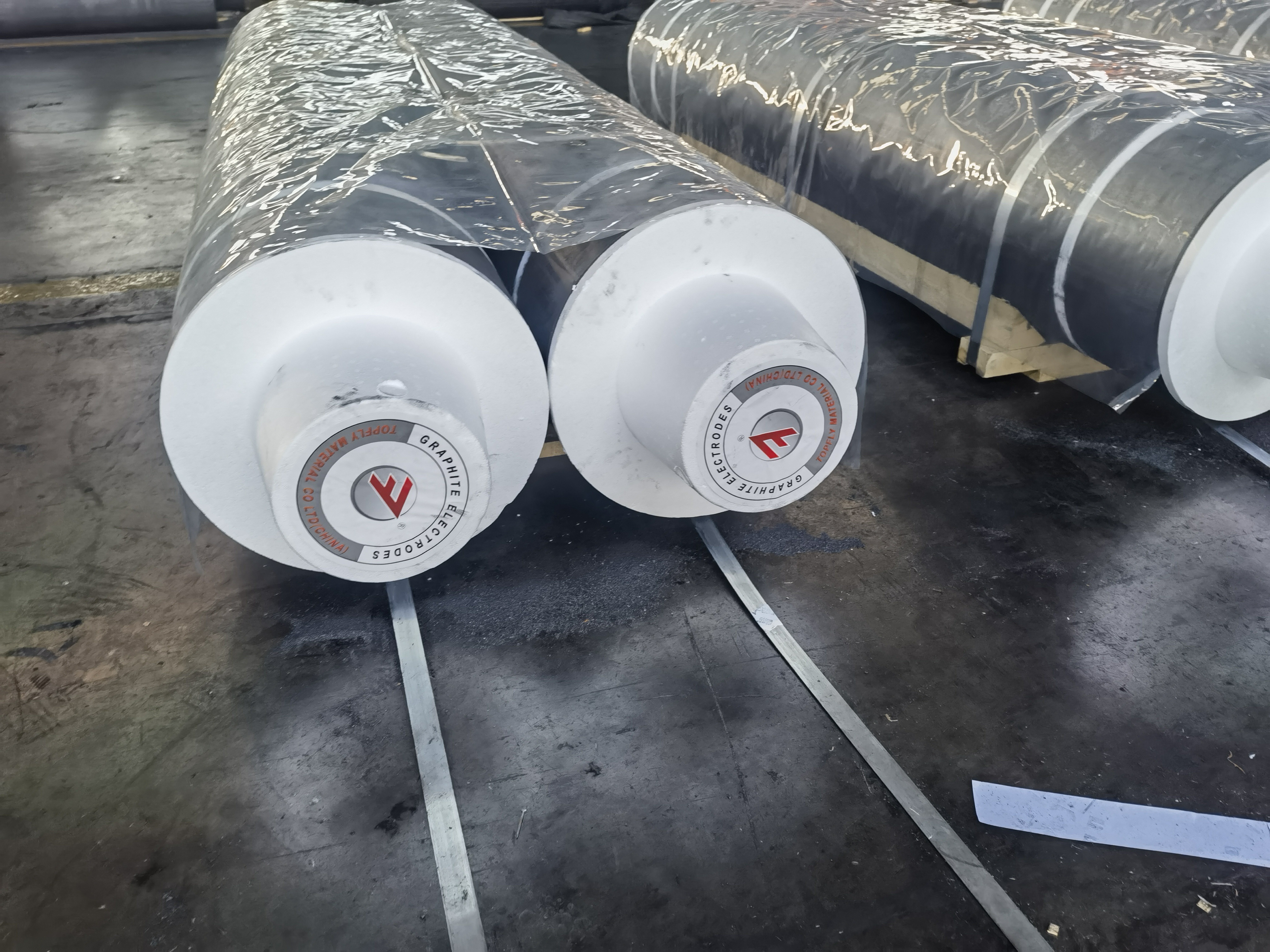
The Evolution of Graphite Electrode Technology in Energy Applications
As industries increasingly seek sustainable solutions, the significance of graphite electrode technology in energy applications cannot be overstated. Graphite electrodes play a crucial role in electric arc furnaces (EAFs), which are integral to steel production and other metallurgical processes. In this article, we delve into the **evolution**, **advancements**, and **challenges** of graphite electrode technology, emphasizing its critical contributions to energy efficiency and environmental sustainability.
Table of Contents
1. Introduction to Graphite Electrode Technology
2. Historical Development of Graphite Electrodes
3. The Manufacturing Process of Graphite Electrodes
4. Applications of Graphite Electrodes in Energy Solutions
5. Recent Technological Advancements
6. Challenges in Graphite Electrode Technology
7. Future Trends in Graphite Electrode Technology
8. Conclusion
9. Frequently Asked Questions
Introduction to Graphite Electrode Technology
Graphite electrodes are essential components in various energy applications, particularly in electric arc furnaces (EAFs). These electrodes serve as conduits for electrical currents, facilitating the melting of scrap steel and other materials. Their unique properties, such as high electrical conductivity, thermal resistance, and mechanical strength, make them indispensable in modern metallurgy and energy industries.
In recent years, the demand for energy-efficient processes and sustainable materials has spurred innovations in graphite electrode technology. Companies are investing in research and development to enhance performance, reduce costs, and minimize environmental impacts. This article aims to provide a comprehensive overview of the evolution of graphite electrode technology in energy applications, exploring its historical context, current trends, and future directions.
Historical Development of Graphite Electrodes
The use of graphite for electrical applications dates back to the early 20th century when the first graphite electrodes were developed for electric arc furnaces. Initially, these electrodes were produced using a mix of petroleum coke and coal tar pitch, creating a material that could withstand the extreme temperatures encountered in EAFs.
Over the decades, the demand for steel and other metals grew, prompting advancements in electrode technology. The introduction of **high-density graphite** and **vibration molding** processes allowed for the production of electrodes that were not only more efficient but also more durable. By the 1980s, advancements in manufacturing technologies had led to the development of **ultra-high power (UHP) graphite electrodes**, which could withstand higher currents and offer improved melting efficiency.
The Manufacturing Process of Graphite Electrodes
The manufacturing process of graphite electrodes involves several critical steps that ensure high-quality products. These steps include:
1. Raw Material Selection
The primary raw materials for graphite electrodes are petroleum coke and needle coke. The selection of these materials is crucial, as they directly impact the performance and efficiency of the electrodes.
2. Mixing and Granulation
The raw materials are mixed with a binding agent, typically coal tar pitch, to create a homogeneous mixture. This mixture is then granulated to form granules suitable for molding.
3. Molding
The granulated material is subjected to high pressure in a molding machine, forming it into electrode shapes. This step ensures the electrodes possess the necessary density and mechanical strength.
4. Baking
Once molded, the electrodes undergo a baking process at high temperatures (around 1,200 to 1,500 degrees Celsius). This process drives off volatile compounds and hardens the electrode structure.
5. Graphitization
The baked electrodes are then subjected to even higher temperatures (up to 3,000 degrees Celsius) in a graphitization furnace. This step converts the carbon structure into graphite, enhancing electrical conductivity and thermal stability.
6. Machining
Post-graphitization, the electrodes are machined to precise dimensions and surface finishes, ensuring they fit correctly in the EAF and optimize performance.
Applications of Graphite Electrodes in Energy Solutions
Graphite electrodes find applications across several sectors, primarily in the energy field. Their versatility and efficiency in conducting electricity make them ideal for numerous applications:
1. Electric Arc Furnaces (EAFs)
EAFs are the largest consumers of graphite electrodes. These furnaces utilize electrodes to melt scrap steel and other materials, producing high-quality steel with lower energy consumption compared to traditional blast furnaces.
2. Renewable Energy Systems
Graphite electrodes are increasingly being used in renewable energy applications, such as battery technology and fuel cells. Their properties contribute to improved performance and longevity of energy storage systems.
3. Electric Vehicle (EV) Charging Infrastructure
As the demand for electric vehicles rises, the need for efficient charging infrastructure becomes paramount. Graphite electrodes play a significant role in the manufacturing of components that facilitate fast charging and energy transfer.
4. Power Generation
In power generation systems, graphite electrodes are utilized in processes such as electrolysis and metal recovery, enhancing efficiency and reducing environmental impact.
Recent Technological Advancements
Recent years have witnessed significant advancements in graphite electrode technology, driven by the need for improved energy efficiency and sustainability. These advancements include:
1. Improved Material Composition
Research into new material compositions has led to the development of electrodes with enhanced conductivity and thermal stability. The incorporation of advanced materials such as silicon carbide is proving beneficial in extending the lifespan of electrodes.
2. Automation and Smart Manufacturing
The integration of automation and smart manufacturing techniques has optimized the production process, reducing costs and improving consistency. Technologies such as IoT and AI are increasingly being adopted in the production of graphite electrodes.
3. Environmental Sustainability Initiatives
Manufacturers are prioritizing environmentally friendly practices, such as recycling used electrodes and reducing waste during production. These initiatives not only contribute to sustainability but also reduce operational costs.
4. Enhanced Performance Metrics
Recent innovations have focused on enhancing performance metrics, such as reducing electrode wear and improving energy efficiency in EAF operations. This leads to lower operational costs and higher productivity for steelmakers.
Challenges in Graphite Electrode Technology
Despite the advancements, several challenges remain in the field of graphite electrode technology:
1. Supply Chain Disruptions
The supply of petroleum and needle coke has faced disruptions due to geopolitical factors and market fluctuations. Manufacturers are exploring alternative materials to mitigate this risk.
2. Cost Fluctuations
The costs of raw materials used in the production of graphite electrodes can be volatile, impacting the overall pricing strategy for manufacturers. Strategies such as long-term contracts and diversification of suppliers are being employed to manage this issue.
3. Environmental Concerns
Production processes for graphite electrodes can generate waste and emissions. Continued efforts are necessary to develop sustainable practices that minimize environmental impact and adhere to stringent regulations.
4. Competition from Alternative Technologies
Emerging technologies, such as direct reduced iron (DRI) processes and the use of electric arc furnaces with alternative materials, present competition to traditional graphite electrode applications. Continuous innovation and adaptation are essential for maintaining market relevance.
Future Trends in Graphite Electrode Technology
Looking ahead, several trends are likely to shape the future of graphite electrode technology:
1. Focus on Sustainability
As industries strive for sustainability, the demand for eco-friendly graphite electrode production processes will increase. Continuous R&D will be pivotal in developing sustainable materials and practices.
2. Innovations in Efficiency
Future advancements will likely focus on enhancing the efficiency of graphite electrodes, reducing wear rates, and improving thermal and electrical performance. This will be vital for meeting the demands of modern industries.
3. Expansion into New Markets
The growth of sectors such as renewable energy, electric vehicles, and advanced manufacturing will open new opportunities for graphite electrodes, broadening their applications and market reach.
4. Collaboration and Partnerships
Increased collaboration between manufacturers, research institutions, and technology providers will be essential to drive innovation. Strategic partnerships can accelerate the development of advanced materials and manufacturing techniques.
Conclusion
The evolution of graphite electrode technology in energy applications marks a significant journey characterized by innovation, challenges, and transformative advancements. As industries continue to prioritize sustainability and efficiency, the role of graphite electrodes will only become more critical. By embracing technological advancements and addressing current challenges, the future of graphite electrode technology holds promise for enhanced performance, environmental responsibility, and expanded applications in various energy sectors.
Frequently Asked Questions
1. What are graphite electrodes used for?
Graphite electrodes are primarily used in electric arc furnaces for melting steel and other metals. They are also utilized in renewable energy applications, electric vehicle charging infrastructure, and power generation systems.
2. How are graphite electrodes manufactured?
Graphite electrodes are manufactured through a series of steps, including raw material selection, mixing and granulation, molding, baking, graphitization, and machining to achieve the desired dimensions and performance.
3. What are the challenges facing graphite electrode technology?
Challenges include supply chain disruptions, cost fluctuations of raw materials, environmental concerns related to production, and competition from alternative technologies such as direct reduced iron processes.
4. How does graphite electrode technology contribute to sustainability?
Innovations in graphite electrode technology focus on reducing waste, enhancing energy efficiency, and developing eco-friendly materials. Sustainable practices in production processes also minimize environmental impact.
5. What is the future of graphite electrode technology?
The future of graphite electrode technology is expected to involve increased focus on sustainability, innovations in efficiency, expansion into new markets, and enhanced collaboration between manufacturers and research institutions.
Contact Us
E-mail:
Phone/WhatsApp:
+86 15711363051
Address:
Xingchuang International C912, Xinya Street No.15, Daxing District, Beijing, China



Contact
TEL: +8615711363051
EMAIL: sales@topflymaterial.com
ADD: Xingchuang International C912, Xinya Street No.15, Daxing District, Beijing, China