
How Graphite Electrode Enhances the Quality of Steel Production
Mar 16,2026
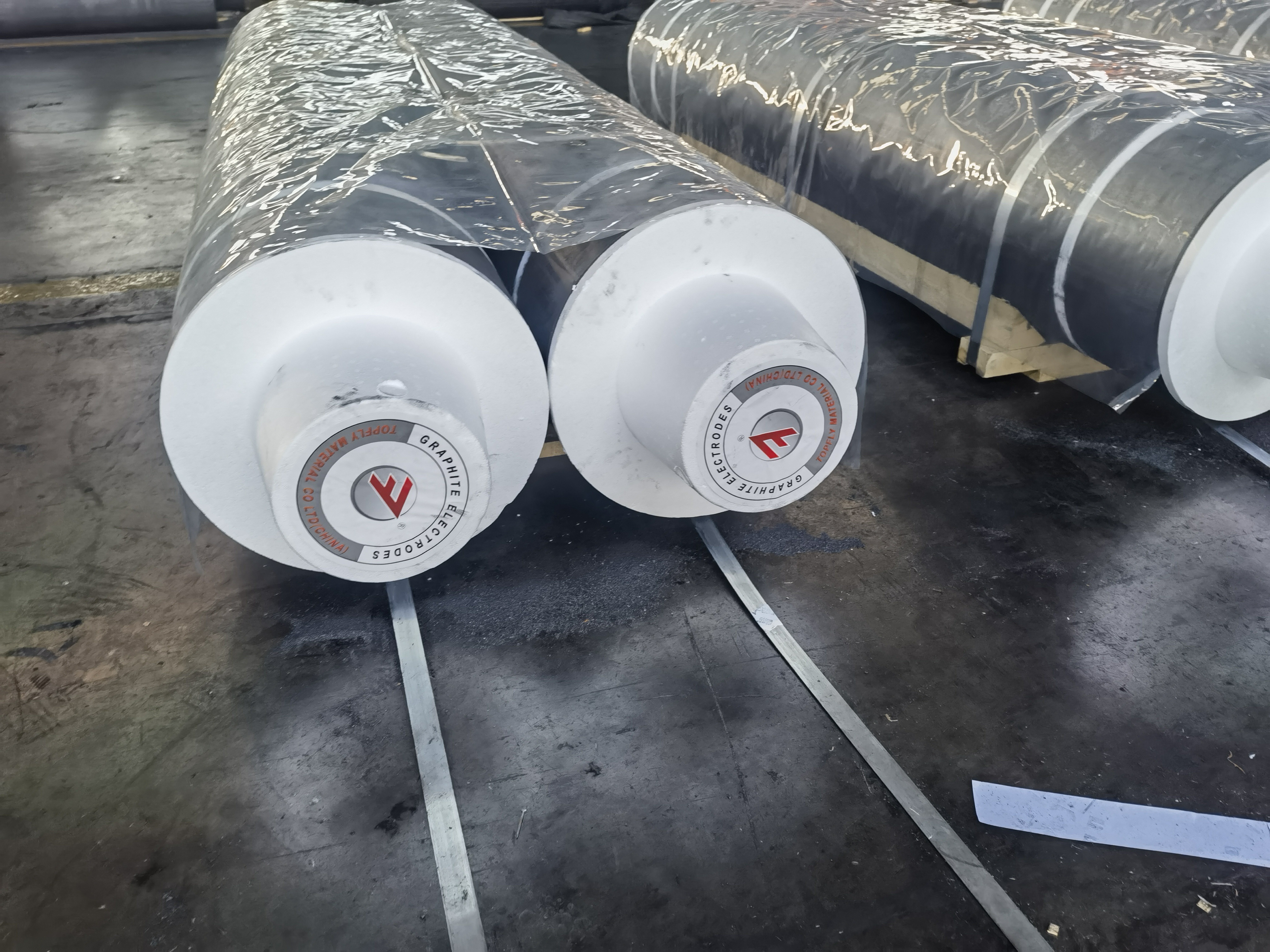
How Graphite Electrode Enhances the Quality of Steel Production
Table of Contents
- 1. Introduction to Graphite Electrodes
- 2. Importance of Graphite in Steel Manufacturing
- 3. The Steel Production Process Explained
- 4. The Role of Graphite Electrodes in Steel Production
- 5. Enhancements in Steel Quality through Graphite Electrodes
- 6. Advantages of Using Graphite Electrodes
- 7. Sustainability and Environmental Impact
- 8. The Future of Graphite Electrodes in Steel Production
- 9. Frequently Asked Questions
- 10. Conclusion
1. Introduction to Graphite Electrodes
Graphite electrodes are vital components in the steel production industry, primarily used in electric arc furnaces (EAF). These electrodes facilitate the conversion of raw materials into steel by providing the necessary electrical conductivity. As the steel industry continues to evolve, the optimization of graphite electrodes plays a crucial role in enhancing production efficiency and product quality.
2. Importance of Graphite in Steel Manufacturing
Graphite, a form of carbon, is known for its exceptional electrical and thermal conductivity, making it indispensable in metallurgical applications. The use of graphite electrodes allows steel manufacturers to achieve higher temperatures with reduced energy consumption. This characteristic not only improves the efficiency of the steel-making process but also contributes to the overall quality of the final product.
2.1 The Unique Properties of Graphite
Graphite's unique properties include:
- **High electrical conductivity**: Facilitates efficient energy transfer.
- **Thermal stability**: Maintains performance under extreme temperatures.
- **Chemical inertness**: Resists reactions with molten metals, ensuring purity.
These properties make graphite an ideal choice for electrodes in the steel production process.
3. The Steel Production Process Explained
Steel production typically involves the melting of scrap steel and other raw materials in an electric arc furnace. The EAF process is energy-intensive but allows for greater flexibility in raw material sourcing and production rates.
3.1 Stages of Steel Production
The steel production process can be broken down into several key stages:
- **Charging the furnace**: Raw materials are loaded into the EAF.
- **Melting phase**: Electricity flows through the graphite electrodes, creating an electric arc that melts the materials.
- **Refining phase**: Impurities are removed, and alloying elements are added to achieve the desired steel composition.
- **Casting**: Molten steel is poured into molds to form various steel shapes.
4. The Role of Graphite Electrodes in Steel Production
Graphite electrodes serve as conductive elements that enable the creation of high temperatures necessary for melting steel. Their role is crucial for several reasons:
4.1 Conductivity and Temperature Control
The ability of graphite electrodes to conduct electricity efficiently allows for precise temperature control, essential for achieving the desired chemical composition of the steel. This control minimizes the risk of defects in the final product.
4.2 Enhancing Melting Efficiency
The use of high-quality graphite electrodes can significantly increase melting efficiency, reducing the overall energy consumption of the furnace. This efficiency translates to cost savings for manufacturers and a smaller carbon footprint.
5. Enhancements in Steel Quality through Graphite Electrodes
The quality of steel produced is directly influenced by the characteristics of the graphite electrodes used. High-quality electrodes contribute to:
5.1 Improved Purity Levels
Graphite electrodes are chemically inert, meaning they do not react with the molten steel. This property ensures that the steel remains pure and free from unwanted contaminants that can compromise quality.
5.2 Enhanced Mechanical Properties
The consistent temperature and quality maintained during the EAF process lead to improved mechanical properties of the steel, such as strength, ductility, and toughness. These enhancements make the steel suitable for a variety of applications, from construction to automotive manufacturing.
6. Advantages of Using Graphite Electrodes
The adoption of graphite electrodes in steel production offers numerous advantages:
6.1 Cost-Effectiveness
While the initial investment in graphite electrodes may be higher than alternatives, their longevity and performance often result in lower overall production costs. They require less frequent replacement and can operate efficiently under high-stress conditions.
6.2 Flexibility in Production
Graphite electrodes allow manufacturers to switch between different grades of steel without significant downtime. This flexibility helps meet diverse customer demands and market fluctuations.
7. Sustainability and Environmental Impact
As the steel industry faces increasing pressure to adopt sustainable practices, graphite electrodes play a significant role in minimizing environmental impact.
7.1 Reduced Carbon Emissions
The efficient melting process facilitated by graphite electrodes results in lower energy consumption, subsequently reducing carbon emissions. This shift towards more sustainable practices is aligned with global efforts to combat climate change.
7.2 Recyclability of Graphite Electrodes
Graphite electrodes can be recycled, reducing waste and promoting a circular economy within the steel industry. By reusing materials, manufacturers can further enhance their sustainability efforts.
8. The Future of Graphite Electrodes in Steel Production
The future of graphite electrodes in steel production looks promising as innovations continue to emerge. Enhanced manufacturing techniques, such as the development of new composite materials, are expected to further improve the performance of graphite electrodes.
8.1 Technological Innovations
Research into advanced materials and production methods aims to produce even more efficient and durable electrodes. These innovations will likely lead to lower production costs and higher quality steel.
8.2 Industry Trends
The industry is witnessing a shift towards electric arc furnaces due to their flexibility and lower environmental impact. As this trend continues, the demand for high-quality graphite electrodes is expected to rise, driving further advancements in electrode technology.
9. Frequently Asked Questions
What are graphite electrodes made of?
Graphite electrodes are primarily made from petroleum needle coke, pitch, and other additives. The materials are subjected to high temperatures in a process known as graphitization.
How do graphite electrodes affect steel quality?
Graphite electrodes enhance steel quality by providing efficient electrical conductivity, improving melting efficiency, and ensuring the purity of the molten steel.
What types of steel production use graphite electrodes?
Graphite electrodes are primarily used in electric arc furnaces for the production of steel from scrap metal or direct reduced iron.
Are graphite electrodes environmentally friendly?
Yes, graphite electrodes are environmentally friendly due to their recyclability and the reduced carbon emissions associated with their use in electric arc furnaces.
What is the lifespan of a graphite electrode?
The lifespan of a graphite electrode depends on several factors, including the operating conditions and the quality of the electrode itself. Typically, they can last from several hours to several days in high-demand environments.
10. Conclusion
Graphite electrodes are crucial for enhancing the quality of steel production. Their unique properties contribute to improved efficiency, reduced environmental impact, and superior mechanical properties in the final steel product. As the steel industry evolves, the role of graphite electrodes will only become more prominent, driving innovations that support sustainability and high-quality production. Embracing advancements in this area will help steel manufacturers meet the growing demands of the market while minimizing their ecological footprint.
Contact Us
E-mail:
Phone/WhatsApp:
+86 15711363051
Address:
Xingchuang International C912, Xinya Street No.15, Daxing District, Beijing, China



Contact
TEL: +8615711363051
EMAIL: sales@topflymaterial.com
ADD: Xingchuang International C912, Xinya Street No.15, Daxing District, Beijing, China