
Exploring the Significance and Applications of High Purity Graphite in Metallurgy and Energy
Mar 15,2026
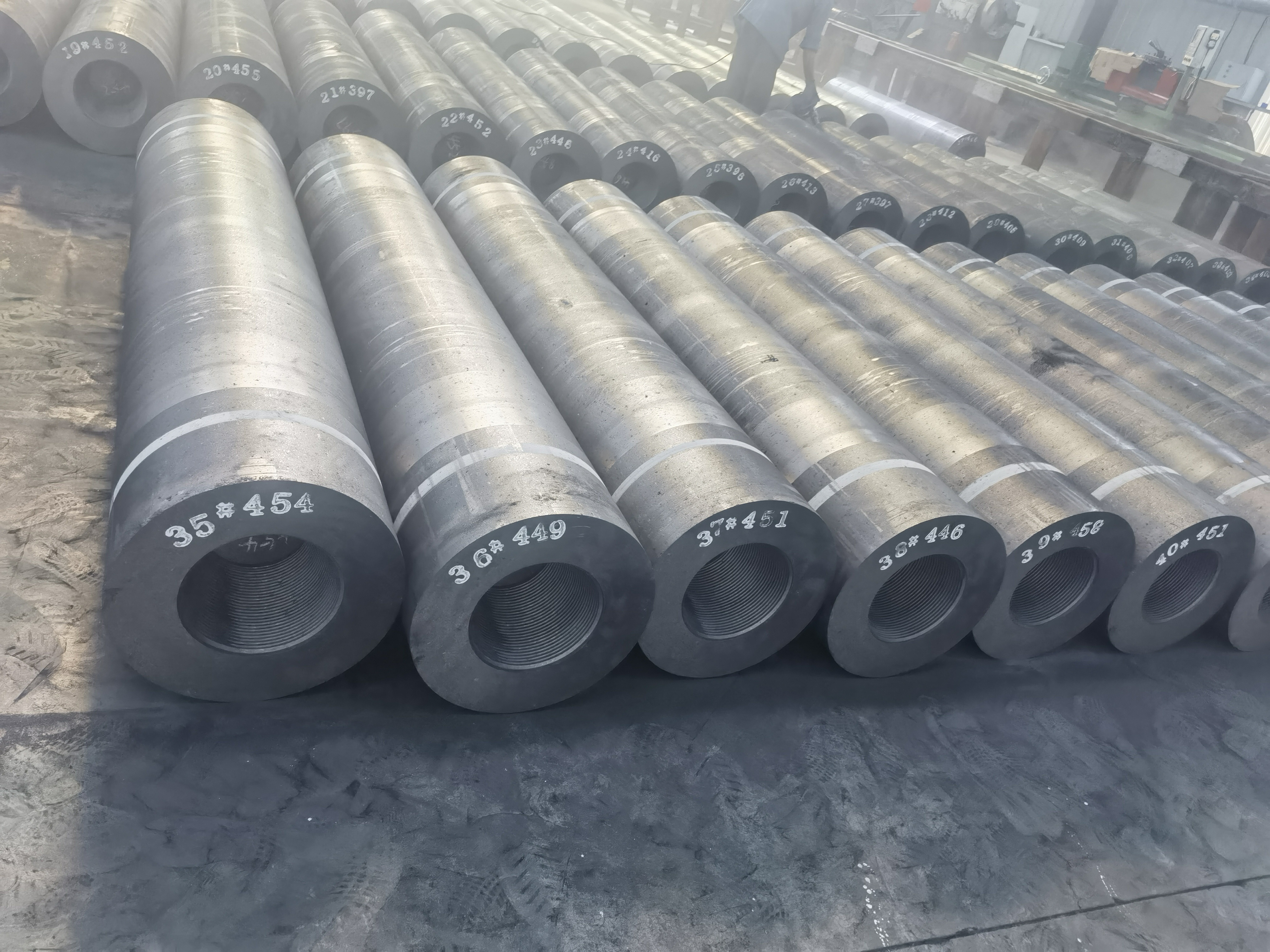
High purity graphite (HPG) is a refined form of graphite that boasts an exceptionally low level of impurities, usually above 99% carbon content. This remarkable purity enhances its conductivity, thermal stability, and chemical resistance, making it highly sought after in various applications. In the metallurgy sector, HPG is crucial for producing high-performance components in steelmaking and foundry operations. Its ability to withstand high temperatures and corrosive environments ensures longevity and efficiency in these processes.
One of the key production methods for high purity graphite is the thermal purification process. This involves heating natural graphite at elevated temperatures in an inert atmosphere, allowing volatile impurities to be removed while preserving the graphite's crystalline structure. Another method is chemical purification, which utilizes acids and bases to eliminate contaminants at a molecular level. Both techniques are essential for achieving the desired purity levels, which are critical for applications requiring extreme precision and reliability.
In the energy sector, high purity graphite plays a pivotal role in battery technology, especially in lithium-ion batteries. Its excellent electrical conductivity and thermal management properties enhance battery performance, allowing for faster charging and longer lifespan. Moreover, HPG is employed in fuel cells, where its stability and performance contribute significantly to energy efficiency and sustainability.
Beyond metallurgy and energy, high purity graphite is also making strides in the electronics and aerospace industries. In electronics, it is used in conductive coatings and components, while in aerospace, its lightweight and high-strength characteristics make it invaluable for parts that must withstand harsh conditions. The versatility of high purity graphite positions it as a key material in advancing technology across multiple domains.
As industries continue to evolve, the demand for high purity graphite is projected to grow. This growth is driven by the increasing focus on energy efficiency, sustainability, and the need for advanced materials in high-tech applications. Companies that invest in understanding and leveraging the potential of HPG will likely gain a competitive edge in the market.
In conclusion, high purity graphite is a cornerstone material in metallurgy and energy, characterized by its exceptional properties and diverse applications. By harnessing its capabilities, businesses can innovate and enhance their product offerings, ultimately leading to more efficient and sustainable practices across various industries. Emphasizing the importance of R&D in this field can yield significant benefits for professionals seeking to stay ahead in the ever-evolving market landscape.
One of the key production methods for high purity graphite is the thermal purification process. This involves heating natural graphite at elevated temperatures in an inert atmosphere, allowing volatile impurities to be removed while preserving the graphite's crystalline structure. Another method is chemical purification, which utilizes acids and bases to eliminate contaminants at a molecular level. Both techniques are essential for achieving the desired purity levels, which are critical for applications requiring extreme precision and reliability.
In the energy sector, high purity graphite plays a pivotal role in battery technology, especially in lithium-ion batteries. Its excellent electrical conductivity and thermal management properties enhance battery performance, allowing for faster charging and longer lifespan. Moreover, HPG is employed in fuel cells, where its stability and performance contribute significantly to energy efficiency and sustainability.
Beyond metallurgy and energy, high purity graphite is also making strides in the electronics and aerospace industries. In electronics, it is used in conductive coatings and components, while in aerospace, its lightweight and high-strength characteristics make it invaluable for parts that must withstand harsh conditions. The versatility of high purity graphite positions it as a key material in advancing technology across multiple domains.
As industries continue to evolve, the demand for high purity graphite is projected to grow. This growth is driven by the increasing focus on energy efficiency, sustainability, and the need for advanced materials in high-tech applications. Companies that invest in understanding and leveraging the potential of HPG will likely gain a competitive edge in the market.
In conclusion, high purity graphite is a cornerstone material in metallurgy and energy, characterized by its exceptional properties and diverse applications. By harnessing its capabilities, businesses can innovate and enhance their product offerings, ultimately leading to more efficient and sustainable practices across various industries. Emphasizing the importance of R&D in this field can yield significant benefits for professionals seeking to stay ahead in the ever-evolving market landscape.
Contact Us
E-mail:
Phone/WhatsApp:
+86 15711363051
Address:
Xingchuang International C912, Xinya Street No.15, Daxing District, Beijing, China



Contact
TEL: +8615711363051
EMAIL: sales@topflymaterial.com
ADD: Xingchuang International C912, Xinya Street No.15, Daxing District, Beijing, China