
Exploring the Benefits of Using Graphite Electrode in Industries: A Comprehensive Guide
Feb 16,2026
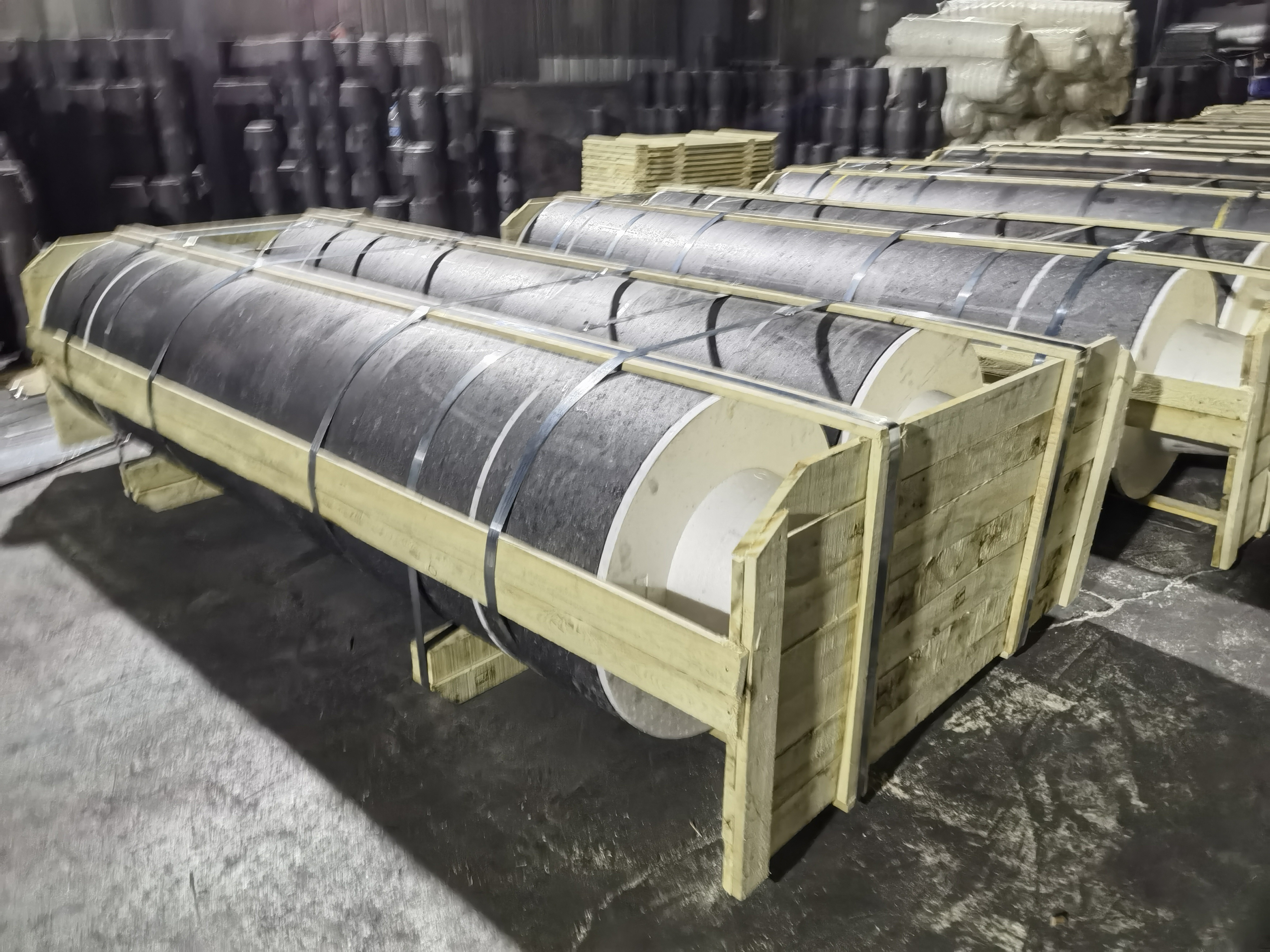
Exploring the Benefits of Using Graphite Electrode in Industries
Table of Contents
- Introduction to Graphite Electrodes
- What is a Graphite Electrode?
- Applications of Graphite Electrodes in Various Industries
- Advantages of Using Graphite Electrodes
- Environmental Benefits of Graphite Electrodes
- Cost Efficiency of Graphite Electrodes
- The Future of Graphite Electrodes in Industries
- Frequently Asked Questions
- Conclusion
Introduction to Graphite Electrodes
In the realm of metallurgy and energy production, **graphite electrodes** play an indispensable role in various processes. These electrodes serve as a bridge between electrical energy and the electrochemical processes required for metal production. As industries evolve and demand for efficient, sustainable materials rises, the significance of graphite electrodes becomes even more pronounced. This article explores the multifaceted benefits of using graphite electrodes across different sectors, shedding light on their applications, advantages, and future potential.
What is a Graphite Electrode?
Graphite electrodes are **conductive materials** made primarily from petroleum pitch and various grades of natural graphite. They are used in electric arc furnaces (EAF) and other applications that require high electrical conductivity and thermal resistance. The manufacturing process involves the carbonization of raw materials, followed by graphitization at high temperatures, ensuring a product that can withstand extreme conditions while providing superior performance.
Key Properties of Graphite Electrodes
1. **High Electrical Conductivity**: Essential for efficient energy transfer in metallurgical processes.
2. **Thermal Stability**: Capable of enduring high temperatures without deforming or losing functionality.
3. **Chemical Inertness**: Resistant to corrosion and oxidation, making them suitable for various environments.
4. **Low Thermal Expansion**: Ensures dimensional stability, crucial for precision applications.
Applications of Graphite Electrodes in Various Industries
Graphite electrodes are utilized in several industries, each reaping distinct benefits from their unique properties. Here are some prominent applications:
1. Steel Manufacturing
Electric arc furnaces utilize graphite electrodes to melt steel scrap. The high efficiency and cost-effectiveness of EAFs make them a preferred choice for steel production, especially in regions with rising energy costs.
2. Foundries
In foundries, graphite electrodes are employed to produce cast iron and non-ferrous metals. Their ability to withstand high temperatures and provide stable energy sources is vital for maintaining product quality.
3. Aluminum Production
Graphite electrodes facilitate the production of aluminum through electrolysis. Their high conductivity and thermal stability enhance efficiency in this energy-intensive process.
4. Chemical Industries
The chemical sector utilizes graphite electrodes for various electrochemical processes, including chlorine and caustic soda production. Their inert nature ensures that they do not react with chemicals during production.
5. Battery Manufacturing
With the rise of electric vehicles and renewable energy storage, graphite electrodes are increasingly crucial in the production of lithium-ion batteries, providing essential conductivity for efficiency and performance.
Advantages of Using Graphite Electrodes
The benefits of employing graphite electrodes extend far beyond their basic functionalities. Here are some notable advantages:
1. Enhanced Energy Efficiency
Graphite electrodes' superior conductivity minimizes energy losses, leading to reduced operational costs. This efficiency is particularly advantageous in sectors where energy consumption is a significant portion of production expenses.
2. Improved Product Quality
Using graphite electrodes in electric arc furnaces results in higher-quality steel and metals due to better temperature control and uniform heating. This leads to fewer defects and enhanced properties in the final products.
3. Long Service Life
Graphite electrodes exhibit exceptional durability, withstanding extreme conditions without rapid wear. This longevity translates to lower replacement costs and less downtime, enhancing overall productivity.
4. Flexibility in Design
Manufacturers can produce graphite electrodes in various sizes and shapes, tailored to meet specific operational requirements. This customization is crucial for industries that require specialized solutions.
5. Reduced Environmental Impact
Graphite electrodes contribute to greener manufacturing processes, as they facilitate recycling by allowing for the efficient melting of scrap metals, thereby minimizing waste and resource consumption.
Environmental Benefits of Graphite Electrodes
As industries today pivot towards **sustainable practices**, the environmental advantages of graphite electrodes cannot be overlooked. Here are some key aspects:
1. Lower Carbon Footprint
Using electric arc furnaces powered by graphite electrodes significantly reduces greenhouse gas emissions compared to traditional blast furnaces. This shift contributes to a more sustainable manufacturing approach.
2. Recycling Potential
Graphite electrodes promote the recycling of scrap metal, reducing the need for virgin resources. This not only conserves natural resources but also minimizes energy consumption associated with ore extraction and processing.
3. Use of Renewable Energy Sources
As industries increasingly adopt renewable energy sources, graphite electrodes can efficiently operate within these systems. Their compatibility with renewable energy technologies enhances overall sustainability.
Cost Efficiency of Graphite Electrodes
In an era where cost management is paramount, the **economic advantages** of graphite electrodes present a compelling case for their widespread adoption:
1. Operational Cost Savings
The high efficiency of graphite electrodes translates into lower energy consumption, significantly impacting overall operational costs. Businesses benefit from reduced electricity bills and improved profit margins.
2. Reduced Maintenance Costs
The durability and long service life of graphite electrodes minimize maintenance and replacement costs, allowing companies to allocate resources more effectively and enhance operational efficiency.
3. Enhanced Production Rates
With improved energy efficiency and reduced downtime, industries can achieve higher production rates, translating to better throughput and increased revenues.
The Future of Graphite Electrodes in Industries
As technology advances and industries evolve, the future of graphite electrodes appears promising. Here are some trends and developments to watch:
1. Innovations in Manufacturing Techniques
Advancements in production methods are expected to enhance the performance and efficiency of graphite electrodes. This includes the exploration of new materials and composites that may improve conductivity and durability.
2. Expansion into New Markets
The growing demand for electric vehicles and renewable energy storage solutions is likely to drive further adoption of graphite electrodes in emerging markets.
3. Sustainable Practices
As environmental regulations tighten and sustainability becomes a priority, the adoption of graphite electrodes will likely continue to grow. Their inherent benefits align closely with the goals of modern industry to reduce environmental impact.
Frequently Asked Questions
1. What industries primarily use graphite electrodes?
Graphite electrodes are predominantly utilized in steel manufacturing, foundries, aluminum production, chemical industries, and battery manufacturing.
2. How do graphite electrodes contribute to energy efficiency?
Graphite electrodes provide high electrical conductivity, which reduces energy losses during processes like melting metals, thus leading to lower operational costs.
3. Are graphite electrodes environmentally friendly?
Yes, they contribute to reduced carbon emissions in metal production and promote recycling, making them a more sustainable option compared to traditional methods.
4. What is the lifespan of a graphite electrode?
The lifespan can vary based on the application and operating conditions, but graphite electrodes are known for their durability and can last significantly longer than other types of electrodes.
5. Can graphite electrodes be customized?
Yes, manufacturers can produce graphite electrodes in various sizes and configurations to meet specific operational requirements, offering flexibility in design.
Conclusion
Graphite electrodes stand at the forefront of modern industrial applications, offering a range of benefits that extend from enhanced energy efficiency to significant environmental advantages. As industries continue to seek sustainable and cost-effective solutions, the role of graphite electrodes will undoubtedly expand, supporting the evolution of metallurgical and energy production processes. By embracing this versatile technology, businesses can not only improve their operational effectiveness but also contribute to a more sustainable future.
In summary, the advantages of graphite electrodes are clear and compelling. From reducing operational costs and environmental impact to ensuring high-quality production, these products are essential in driving innovation and efficiency in various industries.
PREVIOUS:
Contact Us
E-mail:
Phone/WhatsApp:
+86 15711363051
Address:
Xingchuang International C912, Xinya Street No.15, Daxing District, Beijing, China



Contact
TEL: +8615711363051
EMAIL: sales@topflymaterial.com
ADD: Xingchuang International C912, Xinya Street No.15, Daxing District, Beijing, China