
Understanding High Purity Graphite: Key Insights for Metallurgical and Energy Professionals
Feb 15,2026
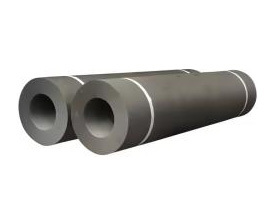
High purity graphite is characterized by its exceptional purity levels, typically exceeding 99.9% carbon content. This high purity makes it an ideal material for various applications, particularly in metallurgy and energy sectors. The unique properties of high purity graphite include superior thermal conductivity, excellent electrical conductivity, and remarkable chemical resistance. These attributes render it indispensable in a multitude of applications, from electrodes in electric arc furnaces to components in lithium-ion batteries.
In metallurgy, high purity graphite is primarily utilized in the production of electrodes for electric arc furnaces (EAF). These electrodes are crucial for the melting and refining of metals, where high thermal and electrical conductivity is paramount. The ability of high purity graphite to withstand extreme temperatures without degrading ensures efficient operations and enhances the overall quality of the produced metals.
Moreover, the energy sector has increasingly recognized the potential of high purity graphite, particularly in the manufacture of battery components. As the demand for electric vehicles (EVs) and renewable energy storage solutions grow, high purity graphite serves as a key material in anodes for lithium-ion batteries. Its conductive properties facilitate efficient electron flow, thereby contributing to enhanced energy density and overall battery performance.
The production of high purity graphite involves several meticulous processes aimed at removing impurities. Traditional methods include chemical purification, thermal treatment, and advanced flotation techniques. Each of these processes plays a vital role in ensuring the graphite’s purity, which directly impacts its performance in industrial applications. Companies in the industry must pay close attention to these production methodologies to maintain quality standards and meet the increasing demands of their clients.
Furthermore, the growing trend towards sustainable and environmentally friendly practices has prompted innovations in high purity graphite production. Many manufacturers are exploring eco-friendly purification methods and recycling techniques to minimize waste and reduce the environmental impact of graphite mining and processing.
As industries continue to innovate and evolve, high purity graphite will play an increasingly vital role in pushing the boundaries of technology and efficiency. Professionals in the metallurgy and energy sectors must stay informed about the latest developments and applications of high purity graphite to harness its full potential in their respective fields. Understanding the nuances of this essential material can lead to improved product quality, enhanced operational efficiency, and the ability to meet future challenges in an ever-competitive landscape.
Contact Us
E-mail:
Phone/WhatsApp:
+86 15711363051
Address:
Xingchuang International C912, Xinya Street No.15, Daxing District, Beijing, China



Contact
TEL: +8615711363051
EMAIL: sales@topflymaterial.com
ADD: Xingchuang International C912, Xinya Street No.15, Daxing District, Beijing, China