
The Versatility of Molded Graphite in Modern Metallurgy
Jan 12,2026
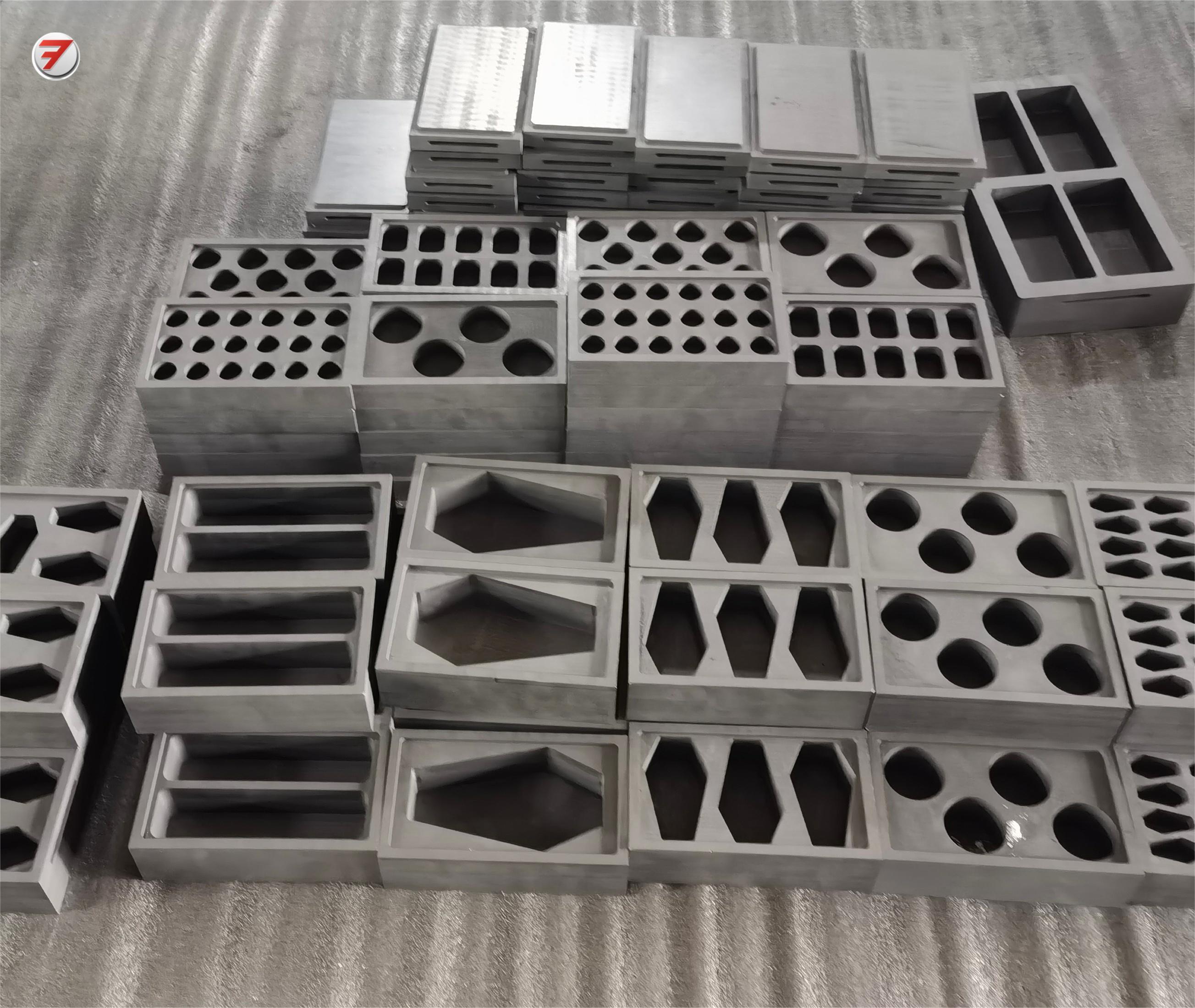
The Versatility of Molded Graphite in Modern Metallurgy
Table of Contents
- 1. Introduction to Molded Graphite
- 2. Importance of Molded Graphite in Metallurgy
- 3. Properties of Molded Graphite
- 4. Applications of Molded Graphite
- 4.1 Metal Casting
- 4.2 Electrodes in Electric Arc Furnaces
- 4.3 Foundry Applications
- 4.4 Nuclear Applications
- 5. Manufacturing Process of Molded Graphite
- 6. Future Trends of Molded Graphite in Metallurgy
- 7. Conclusion
- 8. FAQs
1. Introduction to Molded Graphite
Molded graphite has emerged as a key player in the metallurgy sector, providing unique advantages that enhance production efficiency and product quality. It is a form of carbon that is processed at high temperatures, resulting in a material that is not only strong and lightweight but also exhibits remarkable thermal and electrical properties. This article delves into the multifaceted role of molded graphite in modern metallurgy, emphasizing its versatility and the myriad applications across various industries.
2. Importance of Molded Graphite in Metallurgy
The significance of molded graphite in metallurgy cannot be overstated. Its properties make it an ideal material for several metallurgical applications. The demand for high-performance materials in sectors like aerospace, automotive, and energy production has propelled the use of molded graphite. Its ability to withstand extreme temperatures and corrosive environments allows manufacturers to produce components that are both reliable and efficient.
3. Properties of Molded Graphite
Understanding the properties of molded graphite is essential for appreciating its applications in metallurgy.
3.1 Thermal Conductivity
Molded graphite exhibits impressive thermal conductivity, which allows for rapid heat dissipation. This characteristic is particularly beneficial in processes such as metal casting, where controlling temperature is crucial for achieving desired metallurgical properties.
3.2 Electrical Conductivity
In addition to thermal conductivity, molded graphite possesses excellent electrical conductivity. This makes it an invaluable material for electrodes in electric arc furnaces and other applications that require efficient electrical conduction.
3.3 Chemical Stability
Molded graphite is chemically stable and resistant to oxidation, particularly at high temperatures. This property is critical in various metallurgical processes where exposure to reactive environments can lead to material degradation.
4. Applications of Molded Graphite
Molded graphite finds applications in a wide range of metallurgical processes. Below are some of its primary uses:
4.1 Metal Casting
Molded graphite is widely used in metal casting due to its excellent thermal conductivity and ability to withstand high temperatures. It is often used for mold-making, as it provides a smooth surface finish and enhances the quality of casted components. The use of molded graphite molds leads to reduced cycle times and improved yield rates.
4.2 Electrodes in Electric Arc Furnaces
In electric arc furnaces, molded graphite serves as electrodes that facilitate efficient electrical conduction. The high thermal stability of molded graphite allows it to perform well under extreme conditions, ensuring minimal wear and extended operational life. This application underscores the material's importance in modern steelmaking and recycling processes.
4.3 Foundry Applications
Molded graphite plays a crucial role in foundry applications by enhancing the performance of casting molds and cores. Its thermal properties allow for better heat distribution during the casting process, resulting in fewer defects and higher-quality castings. Additionally, the use of molded graphite can reduce the need for additional coatings, simplifying the production process.
4.4 Nuclear Applications
In the nuclear industry, molded graphite is utilized as a moderator in nuclear reactors due to its ability to slow down neutrons effectively. Its chemical stability and resistance to radiation make it an ideal choice for components in nuclear reactors, ensuring safety and efficiency in power generation.
5. Manufacturing Process of Molded Graphite
The manufacturing of molded graphite involves several key steps:
1. **Raw Material Preparation**: The process begins with the selection of high-quality graphite powder, which is mixed with a binder to enhance its mechanical properties.
2. **Molding**: The mixture is then subjected to molding processes, where it is shaped into the desired form under high pressure.
3. **Baking**: Once molded, the graphite undergoes a baking process at high temperatures. This step removes the binder and solidifies the structure, enhancing its integrity.
4. **Graphitization**: The final step involves graphitization, where the material is heated to temperatures exceeding 2500°C. This process transforms the carbon structure into crystalline graphite, maximizing its thermal and electrical properties.
Through this meticulous process, manufacturers can produce molded graphite that meets the stringent demands of modern metallurgy.
6. Future Trends of Molded Graphite in Metallurgy
As industries evolve, the role of molded graphite is expected to expand significantly. The increasing focus on sustainability and energy efficiency will drive innovations in graphite production methods. Additionally, advancements in material science may lead to the development of composite materials that integrate molded graphite's properties with other high-performance materials. This evolution may further broaden its applications across various industrial sectors.
7. Conclusion
In conclusion, molded graphite represents an invaluable asset in modern metallurgy, combining thermal and electrical conductivity with chemical stability. Its diverse applications, ranging from metal casting to nuclear reactors, highlight its versatility and importance in advancing metallurgical processes. As we look to the future, the continued evolution of molded graphite will undoubtedly play a crucial role in shaping the landscape of modern manufacturing and production.
8. FAQs
What is molded graphite?
Molded graphite is a form of carbon processed at high temperatures to create a material that is strong, thermal conductive, and electrically conductive.
What are the primary applications of molded graphite in metallurgy?
Molded graphite is primarily used in metal casting, as electrodes in electric arc furnaces, foundry applications, and nuclear reactors.
Why is molded graphite preferred in metal casting?
Its excellent thermal conductivity and ability to withstand high temperatures make molded graphite ideal for metal casting, leading to improved product quality and reduced cycle times.
How is molded graphite manufactured?
The manufacturing process involves raw material preparation, molding, baking, and graphitization to produce high-quality molded graphite.
What future trends are anticipated for molded graphite?
Future trends may include advancements in production methods, the integration of molded graphite with other materials, and its growing role in sustainable manufacturing practices.
Contact Us
E-mail:
Phone/WhatsApp:
+86 15711363051
Address:
Xingchuang International C912, Xinya Street No.15, Daxing District, Beijing, China



Contact
TEL: +8615711363051
EMAIL: sales@topflymaterial.com
ADD: Xingchuang International C912, Xinya Street No.15, Daxing District, Beijing, China