
Exploring the Unique Properties of High Purity Graphite: A Comprehensive Guide
Oct 07,2026
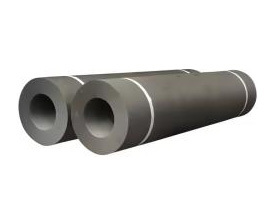
Exploring the Unique Properties of High Purity Graphite
Table of Contents
- 1. Introduction to High Purity Graphite
- 2. Distinctive Properties of High Purity Graphite
- 2.1 Structural Characteristics
- 2.2 Electrical Conductivity
- 2.3 Thermal Conductivity
- 2.4 Chemical Resistance
- 3. Industrial Applications of High Purity Graphite
- 3.1 Use in Electronics
- 3.2 Energy Storage Solutions
- 3.3 Role in Refractories
- 3.4 Lubrication Applications
- 4. Production Methods of High Purity Graphite
- 5. Environmental Considerations
- 6. The Future of High Purity Graphite
- 7. Frequently Asked Questions
- 8. Conclusion
1. Introduction to High Purity Graphite
High purity graphite is not just another form of carbon; it offers exceptional properties that make it invaluable across various industries. With a purity level exceeding 99.9%, high purity graphite stands out due to its unique crystalline structure and remarkable functionality. This article aims to explore the defining characteristics of high purity graphite and how these features contribute to its wide-ranging applications.
2. Distinctive Properties of High Purity Graphite
High purity graphite possesses a variety of distinctive properties that differentiate it from other forms of graphite. Understanding these properties is crucial for harnessing its potential in various applications.
2.1 Structural Characteristics
The structural integrity of high purity graphite is primarily attributed to its layered arrangement of carbon atoms. Each layer consists of hexagonally arranged carbon atoms, which are held together by weak van der Waals forces. This unique structure provides high purity graphite with exceptional flexibility and strength, making it suitable for applications requiring durability.
2.2 Electrical Conductivity
One of the most significant properties of high purity graphite is its impressive electrical conductivity. Due to the delocalized electrons in its structure, high purity graphite is often used as a conductor in various electronic devices. Compared to metals, it exhibits a lower density and retains excellent conductivity, making it ideal for use in batteries, electrodes, and other electronic components.
2.3 Thermal Conductivity
High purity graphite also boasts high thermal conductivity, which allows it to efficiently transfer heat. This property is essential in applications such as heat sinks, where efficient heat removal is critical to maintaining optimal performance. Its ability to withstand high temperatures without significant degradation further enhances its usability in thermal management systems.
2.4 Chemical Resistance
Resilience against chemical degradation is another hallmark of high purity graphite. It exhibits remarkable resistance to acids, alkalis, and other corrosive substances, making it suitable for demanding environments. Its stability under extreme conditions ensures that it maintains performance over an extended period, providing reliability in various industrial applications.
3. Industrial Applications of High Purity Graphite
The unique properties of high purity graphite open doors to a myriad of industrial applications.
3.1 Use in Electronics
In the electronics sector, high purity graphite is used in the manufacturing of batteries, particularly lithium-ion batteries. Its electrical conductivity and stability contribute to improved performance and longevity of batteries, making them more efficient for consumer electronics and electric vehicles.
3.2 Energy Storage Solutions
High purity graphite is increasingly being utilized in energy storage technologies. Supercapacitors, which require materials that can efficiently store and release energy, benefit from high purity graphite's characteristics. Its contribution to enhancing energy storage capabilities makes it a key player in the renewable energy sector.
3.3 Role in Refractories
The refractory industry harnesses high purity graphite due to its ability to withstand extreme temperatures and resist oxidation. Used in furnaces, kilns, and reactors, high purity graphite ensures structural integrity while maintaining performance in high-temperature applications.
3.4 Lubrication Applications
High purity graphite serves as an effective dry lubricant, reducing friction in mechanical systems. It is used in various applications, from automotive components to industrial machinery, where traditional lubricants may fail under high temperatures or harsh conditions.
4. Production Methods of High Purity Graphite
The production of high purity graphite involves sophisticated methods to ensure its unique properties are preserved.
4.1 Mining and Extraction
High purity graphite is typically extracted from natural sources through mining. Techniques such as open-pit mining or underground mining are employed to obtain graphite ore, which is then processed to achieve the desired purity levels.
4.2 Purification Techniques
After extraction, several purification techniques are applied to enhance the purity of graphite. These methods can include chemical purification, where acids or bases are used to remove impurities, and physical methods like flotation, which separate graphite from other minerals. Advanced techniques such as thermal treatment and electrochemical processes can further elevate the purity, ensuring that the graphite meets industry standards.
5. Environmental Considerations
While high purity graphite offers numerous benefits, its production also involves environmental considerations. Sustainable mining practices are essential to minimize ecological disruption. Efforts are being made to adopt greener extraction methods and recycling initiatives to reduce waste and conserve resources.
6. The Future of High Purity Graphite
The demand for high purity graphite is expected to rise sharply, primarily due to the increasing reliance on renewable energy and advanced electronic technologies. As industries shift towards sustainability, high purity graphite is poised to play a pivotal role in the development of eco-friendly solutions, particularly in battery technologies and energy storage systems.
7. Frequently Asked Questions
What is high purity graphite?
High purity graphite is a form of graphite with a purity level exceeding 99.9%, characterized by its unique crystalline structure and exceptional properties.
What are the primary uses of high purity graphite?
High purity graphite is used in electronics, energy storage solutions, refractories, lubricants, and various industrial applications.
How is high purity graphite produced?
High purity graphite is produced through mining, followed by purification techniques such as chemical and physical processing to achieve the desired purity levels.
What are the environmental impacts of high purity graphite production?
The production of high purity graphite can lead to ecological disruption; however, sustainable mining practices and recycling initiatives are being developed to mitigate these effects.
Why is high purity graphite important for renewable energy?
High purity graphite's unique properties make it essential for energy storage technologies, particularly in batteries, which are crucial for the advancement of renewable energy solutions.
8. Conclusion
High purity graphite stands out as a remarkable material with unique properties that cater to a wide array of industrial applications. Its exceptional conductivity, durability, and chemical resistance make it indispensable in modern technology, especially in electronics and energy solutions. As we continue to explore the potential of high purity graphite, its role in driving sustainable innovations will only become more significant. The future of high purity graphite looks promising, particularly as industries increasingly prioritize environmentally friendly practices and advanced technologies. Embracing these properties and understanding their applications is vital for harnessing the full potential of high purity graphite in the years to come.
Contact Us
E-mail:
Phone/WhatsApp:
+86 15711363051
Address:
Xingchuang International C912, Xinya Street No.15, Daxing District, Beijing, China



Contact
TEL: +8615711363051
EMAIL: sales@topflymaterial.com
ADD: Xingchuang International C912, Xinya Street No.15, Daxing District, Beijing, China