
Innovations in Graphite Block Technology for Enhanced Metallurgical Applications
Oct 05,2026
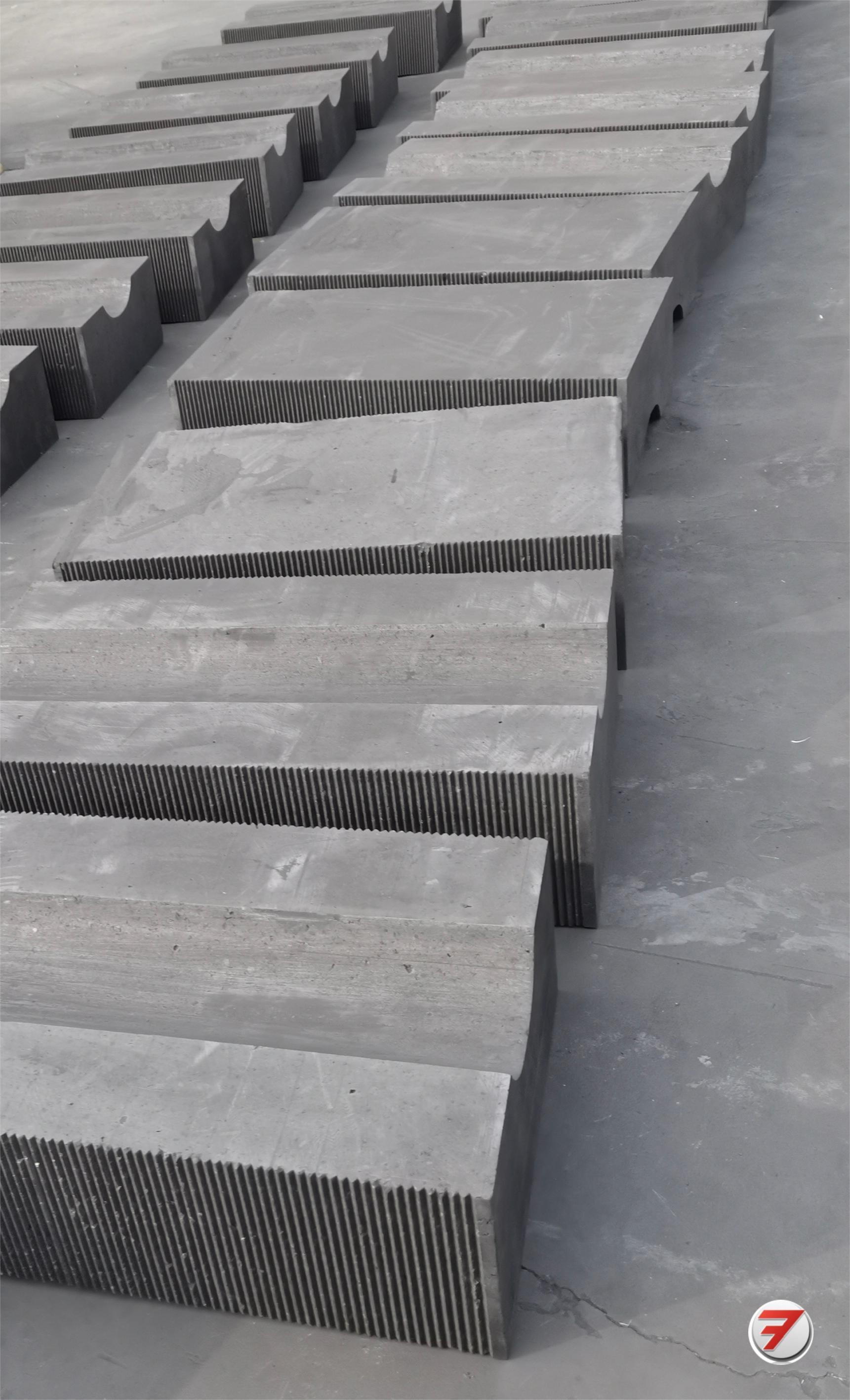
Innovations in Graphite Block Technology for Enhanced Metallurgical Applications
Table of Contents
- Introduction to Graphite Block Technology
- The Importance of Graphite in Metallurgical Applications
- Recent Innovations in Graphite Block Technology
- Applications of Graphite Blocks in Metallurgy
- Graphite Blocks in Furnace Linings
- Graphite Electrodes for Steel Production
- Molds and Castings Using Graphite Blocks
- Benefits of Using Graphite Blocks in Metallurgical Processes
- Challenges in Implementing Graphite Innovations
- The Future of Graphite Block Technology
- Conclusion
Introduction to Graphite Block Technology
Graphite block technology has revolutionized the metallurgical industry, offering unique properties that traditional materials cannot match. **Graphite blocks** are increasingly favored for their thermal conductivity, electrical conductivity, and resistance to thermal shock. With advancements in technology, the production and application of these blocks have evolved, leading to improved efficiency and sustainability in metallurgical applications.
The Importance of Graphite in Metallurgical Applications
Graphite plays a crucial role in various metallurgical processes due to its exceptional physical and chemical properties. Its high melting point and ability to withstand extreme temperatures make it an ideal material for use in furnaces and molds. Furthermore, its electrical conductivity allows for efficient heating and process optimization, which is essential in steel manufacturing and other metallurgical operations.
Recent Innovations in Graphite Block Technology
Advancements in graphite block technology have paved the way for more efficient and effective metallurgical applications. Here we explore some of the **recent innovations** that are driving this change.
Advanced Manufacturing Processes
The manufacturing processes of graphite blocks have evolved significantly, with the introduction of **isostatic pressing** and **high-density sintering** techniques. Isostatic pressing involves applying equal pressure in all directions, resulting in a uniform density and superior mechanical properties. High-density sintering improves the structural integrity of graphite blocks, making them more resilient under extreme conditions.
Enhanced Material Properties
Recent innovations have led to enhancements in the material properties of graphite blocks. This includes increased thermal conductivity, improved mechanical strength, and enhanced resistance to oxidation. The development of composite graphite materials, which incorporate additives to improve performance, is also gaining traction. These advancements ensure that graphite blocks can withstand the rigorous demands of metallurgical applications.
Sustainability in Graphite Production
As environmental concerns grow, the metallurgical industry is increasingly focusing on sustainable practices. Innovations in **graphite block technology** emphasize sustainable production methods, such as recycling waste materials and reducing carbon footprints. The use of environmentally friendly binders and processing techniques contributes to a more sustainable graphite supply chain, aligning with global efforts to reduce industrial emissions.
Applications of Graphite Blocks in Metallurgy
Graphite blocks are versatile and find applications in various metallurgical processes. The following sections highlight some of the key applications.
Graphite Blocks in Furnace Linings
Graphite blocks are commonly used as linings for electric arc furnaces (EAF) and induction furnaces due to their excellent thermal properties. They help maintain high temperatures while protecting the furnace structure from wear and tear. The use of high-performance graphite block linings can significantly enhance the lifespan of furnaces, leading to reduced maintenance costs and improved production efficiency.
Graphite Electrodes for Steel Production
In the production of steel, graphite electrodes play a vital role in conducting electricity within the EAF. Recent innovations have led to the development of ultra-high power (UHP) graphite electrodes that can withstand increased current loads and temperatures. These advancements improve energy efficiency and reduce the overall consumption of raw materials in steelmaking.
Molds and Castings Using Graphite Blocks
Graphite blocks are also utilized in the manufacturing of molds and castings. Their high thermal conductivity allows for rapid heat dissipation, facilitating quicker cooling times and reducing the risk of defects in cast products. The smooth surface finish of graphite molds enhances the quality of the final castings, making them highly desirable in various applications.
Benefits of Using Graphite Blocks in Metallurgical Processes
The adoption of graphite blocks in metallurgical applications offers numerous benefits, including:
1. **Enhanced Efficiency**: High thermal conductivity and durability lead to improved process efficiency.
2. **Cost-effectiveness**: Reduced maintenance and longer life cycles of furnaces and equipment lower overall operating costs.
3. **Improved Product Quality**: The use of graphite molds and linings enhances the quality of cast products, reducing defects.
4. **Sustainable Practices**: Innovations in production methods contribute to greener manufacturing processes, reducing the environmental impact.
5. **Versatility**: Graphite blocks can be tailored to meet specific operational requirements, making them suitable for various metallurgical applications.
Challenges in Implementing Graphite Innovations
While the advancements in graphite block technology present numerous opportunities, certain challenges must be addressed. These include:
1. **Supply Chain Issues**: Fluctuations in the availability of high-quality graphite can impact production.
2. **Cost of Advanced Materials**: The development of high-performance composite materials may involve higher initial costs.
3. **Technological Adaptation**: Implementing new technologies requires investment in training and equipment, which can be a barrier for some companies.
4. **Performance Consistency**: Ensuring uniform quality and performance across batches of graphite blocks can be challenging.
The Future of Graphite Block Technology
As we look towards the future, the demand for innovative graphite block technology in metallurgical applications is expected to grow. Ongoing research and development efforts will likely yield even more advanced materials with superior properties, further enhancing their applicability. Automation and digitalization in the manufacturing sector will also play a crucial role in optimizing production processes and minimizing waste.
Furthermore, the shift towards sustainable practices will drive the development of eco-friendly graphite solutions, ensuring that the metallurgical industry can meet the increasing global demand for green technologies.
Conclusion
In conclusion, innovations in graphite block technology are transforming the metallurgical industry by offering enhanced performance, sustainability, and efficiency. As we continue to explore new materials and manufacturing techniques, the role of graphite in metallurgical applications will only expand. Embracing these innovations can lead to significant benefits for manufacturers, including reduced costs, improved product quality, and a lower environmental impact. The future of graphite block technology is bright, and it promises to play a pivotal role in the evolution of metallurgy as we know it today.
FAQs
What are graphite blocks used for in metallurgy?
Graphite blocks are primarily used in furnace linings, electrodes for steel production, and molds for casting processes due to their excellent thermal and electrical properties.
How do innovations in graphite block technology improve efficiency?
Recent innovations enhance the thermal conductivity and durability of graphite blocks, leading to better heat management, reduced maintenance costs, and increased productivity in metallurgical processes.
Are there sustainable options for graphite production?
Yes, advancements in graphite block technology emphasize sustainable production methods, including the use of recycled materials and environmentally friendly processing techniques.
What challenges are associated with graphite block technology?
Challenges include supply chain fluctuations, the cost of advanced materials, technological adaptation, and maintaining performance consistency across production batches.
What is the future outlook for graphite block technology in metallurgy?
The future is promising, with ongoing research leading to enhanced materials and sustainable practices that will further solidify graphite's role in metallurgical applications.
Contact Us
E-mail:
Phone/WhatsApp:
+86 15711363051
Address:
Xingchuang International C912, Xinya Street No.15, Daxing District, Beijing, China



Contact
TEL: +8615711363051
EMAIL: sales@topflymaterial.com
ADD: Xingchuang International C912, Xinya Street No.15, Daxing District, Beijing, China