
Isostatic Graphite: The Unsung Hero of High-Temperature Applications
Oct 03,2026
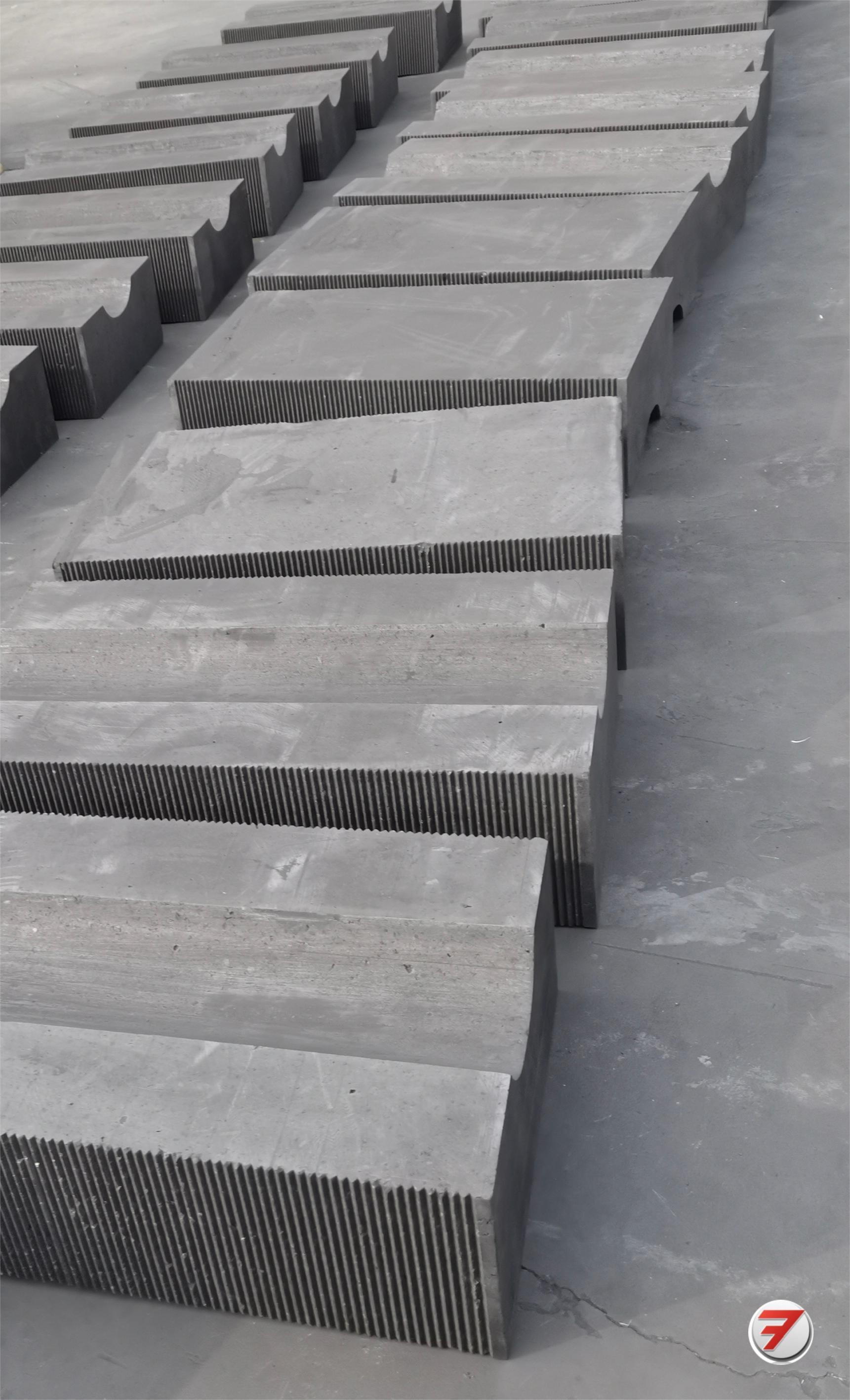
Isostatic Graphite: The Unsung Hero of High-Temperature Applications
Table of Contents
- Introduction to Isostatic Graphite
- What is Isostatic Graphite?
- The Manufacturing Process of Isostatic Graphite
- Unique Properties of Isostatic Graphite
- Applications of Isostatic Graphite
- Comparative Advantages Over Other Materials
- Challenges and Limitations of Isostatic Graphite
- Future Prospects of Isostatic Graphite in High-Temperature Applications
- Conclusion
- Frequently Asked Questions
Introduction to Isostatic Graphite
Isostatic graphite is an advanced material that has gained significant recognition in high-temperature applications. Unlike conventional graphite, isostatic graphite is produced through a unique process that enhances its properties, making it suitable for demanding environments. This article explores the journey of isostatic graphite—from its definition and manufacturing process to its unique properties and various applications across industries.
What is Isostatic Graphite?
Isostatic graphite is a form of graphite that is produced using a cold isostatic pressing (CIP) method. This production technique involves subjecting a graphite powder to uniform pressure in a liquid medium. The result is a material that exhibits superior density, strength, and thermal properties compared to traditional graphite.
This high-performance material is particularly valued in industries that require materials capable of withstanding extreme temperature and stress conditions. Its isotropic nature ensures uniform properties in all directions, making it an excellent choice for various applications.
The Manufacturing Process of Isostatic Graphite
The manufacturing process of isostatic graphite can be broken down into several key stages:
1. Selection of Raw Materials
The process begins with the selection of high-quality graphite powder. The purity and size of the graphite particles significantly impact the properties of the final product.
2. Cold Isostatic Pressing (CIP)
In the CIP process, the graphite powder is placed in a flexible mold and subjected to uniform pressure in a liquid medium. This step ensures that the material is densified evenly, resulting in a homogeneous structure.
3. Sintering
After pressing, the formed graphite undergoes a sintering process at high temperatures. This step further enhances the density and mechanical properties of the material by promoting particle bonding.
4. Machining
Once sintered, the isostatic graphite is machined into the desired shapes and sizes, making it ready for various applications.
Unique Properties of Isostatic Graphite
Isostatic graphite possesses a range of unique properties that set it apart from other materials:
High-Temperature Resistance
One of the standout features of isostatic graphite is its remarkable resistance to high temperatures. It can withstand temperatures exceeding 3000°C in inert atmospheres without significant degradation. This property makes it ideal for applications in furnaces and reactors where extreme heat is commonplace.
Exceptional Thermal Conductivity
Isostatic graphite exhibits excellent thermal conductivity, allowing it to efficiently transfer heat. This characteristic is crucial in applications such as heat exchangers and electrical contacts.
Chemical Resistance and Stability
Isostatic graphite is highly resistant to chemical corrosion, particularly from acids and alkalis. It maintains its integrity and performance in harsh environments, an essential factor in industries like nuclear energy and chemical processing.
Applications of Isostatic Graphite
The unique properties of isostatic graphite allow it to meet the demanding requirements of various industries:
Aerospace Industry
In the aerospace sector, isostatic graphite is often used in the manufacturing of components for jet engines, rocket nozzles, and heat shields. Its ability to withstand high temperatures and thermal shock makes it a vital material for these applications.
Nuclear Energy
Isostatic graphite plays a crucial role in nuclear reactors, serving as a moderator and structural material. Its outstanding thermal and chemical resistance ensures safe and efficient reactor operation.
Semiconductor Manufacturing
In semiconductor manufacturing, isostatic graphite is utilized in the fabrication of high-precision components. Its uniform properties and excellent thermal conductivity are essential for maintaining performance during the production process.
Comparative Advantages Over Other Materials
When compared to other materials used in high-temperature applications, isostatic graphite offers several advantages:
1. **Isotropic Properties**: Unlike anisotropic materials, isostatic graphite exhibits uniform properties in all directions, enhancing its reliability in various applications.
2. **Higher Density**: The manufacturing process results in a higher density material, which contributes to improved strength and durability.
3. **Better Thermal Shock Resistance**: Isostatic graphite’s ability to withstand rapid temperature changes without cracking sets it apart from traditional graphite and other materials.
Challenges and Limitations of Isostatic Graphite
Despite its many advantages, isostatic graphite does face some challenges:
1. **Cost**: The production of isostatic graphite can be more expensive than other materials, which may limit its use in cost-sensitive applications.
2. **Brittleness**: While it is strong, isostatic graphite can be brittle under certain conditions, potentially leading to fracture in high-stress scenarios.
3. **Machining Difficulty**: Machining isostatic graphite requires specialized tools and techniques, which can complicate the manufacturing process.
Future Prospects of Isostatic Graphite in High-Temperature Applications
The future of isostatic graphite appears promising, with ongoing research and development focused on enhancing its properties and expanding its applications. Innovations in manufacturing techniques may lead to cost reductions and improved performance, making isostatic graphite even more accessible across various industries.
As industries continue to demand materials that can operate under extreme conditions, isostatic graphite is poised to play a key role in the future of high-temperature applications.
Conclusion
Isostatic graphite is indeed the unsung hero of high-temperature applications. Its unique properties, including high-temperature resistance, exceptional thermal conductivity, and chemical stability, make it indispensable in a variety of sectors, including aerospace, nuclear energy, and semiconductor manufacturing. As technology advances and the demand for high-performance materials grows, isostatic graphite will continue to be at the forefront of innovation, solidifying its place as a critical material in various high-temperature applications.
Frequently Asked Questions
1. What is the main benefit of using isostatic graphite?
The primary benefits of isostatic graphite include its high-temperature resistance, exceptional thermal conductivity, and chemical stability, making it suitable for demanding environments.
2. How is isostatic graphite manufactured?
Isostatic graphite is manufactured using a cold isostatic pressing (CIP) process followed by sintering, resulting in a high-density material with uniform properties.
3. In which industries is isostatic graphite commonly used?
Isostatic graphite is commonly used in the aerospace, nuclear energy, and semiconductor manufacturing industries, among others.
4. Can isostatic graphite withstand extreme temperatures?
Yes, isostatic graphite can withstand temperatures exceeding 3000°C in inert atmospheres without significant degradation.
5. What are the limitations of isostatic graphite?
Some limitations of isostatic graphite include its higher cost, brittleness under certain conditions, and the complexity involved in machining it.
Contact Us
E-mail:
Phone/WhatsApp:
+86 15711363051
Address:
Xingchuang International C912, Xinya Street No.15, Daxing District, Beijing, China



Contact
TEL: +8615711363051
EMAIL: sales@topflymaterial.com
ADD: Xingchuang International C912, Xinya Street No.15, Daxing District, Beijing, China