
Understanding Graphite Electrodes: Key Components in Metallurgical and Energy Industries
Sep 24,2026
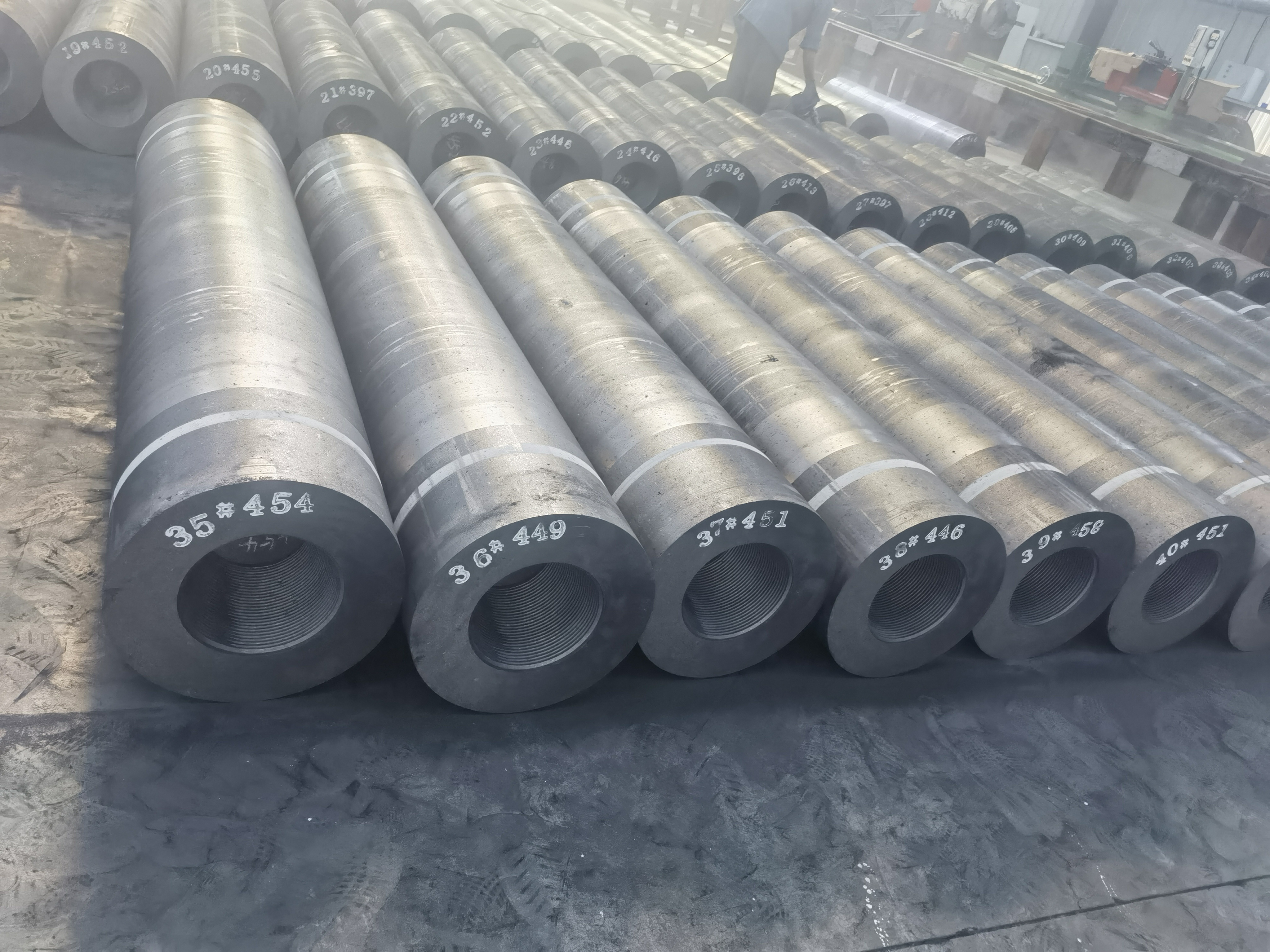
Graphite electrodes are crucial components in the metallurgy and energy industries, particularly in the production of steel and non-ferrous metals. These electrodes are primarily used in electric arc furnaces (EAFs) for steelmaking, where their unique properties make them indispensable for delivering the electrical energy required to melt scrap metal into liquid steel.
One of the primary advantages of graphite electrodes is their high thermal and electrical conductivity. This allows for efficient energy transfer during the melting process. The ability to withstand high temperatures without degrading makes them suitable for the extreme conditions within EAFs, where temperatures can exceed 3,000 degrees Celsius. Additionally, graphite electrodes exhibit excellent oxidation resistance, which is vital for maintaining performance over extended periods.
In the manufacturing process, the production of graphite electrodes involves the careful selection of raw materials, predominantly petroleum needle coke, which is known for its low ash content and desirable physical properties. This is followed by a process of baking and graphitization, where the electrodes are subjected to intense heat to convert them into their graphite form. The quality of the electrodes is critical, as it directly impacts the efficiency and output of the steelmaking process.
Moreover, the environmental aspects of using graphite electrodes cannot be overlooked. As the industry moves towards more sustainable practices, the use of electric arc furnaces, which rely heavily on graphite electrodes, is seen as a greener alternative to traditional blast furnaces. EAFs have the potential to reduce carbon emissions significantly by recycling scrap metal, thus contributing to a circular economy within the metal production sector.
In addition to steel production, graphite electrodes find applications in various other sectors, including aluminum smelting, silicon carbide production, and even in specialty applications such as high-performance batteries. This versatility further underscores the importance of graphite electrodes in modern industrial processes.
For professionals in the metallurgical and energy fields, understanding the properties and applications of graphite electrodes is essential for optimizing production processes and improving overall efficiency. By staying informed about the advancements in electrode technology and best practices, you can make more informed decisions that support both business objectives and environmental sustainability.
In summary, graphite electrodes are a vital component in the metallurgical and energy industries. Their unique properties, coupled with advancements in production methods and a focus on sustainability, position them as an integral part of modern manufacturing practices.
Contact Us
E-mail:
Phone/WhatsApp:
+86 15711363051
Address:
Xingchuang International C912, Xinya Street No.15, Daxing District, Beijing, China



Contact
TEL: +8615711363051
EMAIL: sales@topflymaterial.com
ADD: Xingchuang International C912, Xinya Street No.15, Daxing District, Beijing, China