
Understanding the Significance of Graphite Boats in Metallurgy
Sep 22,2026
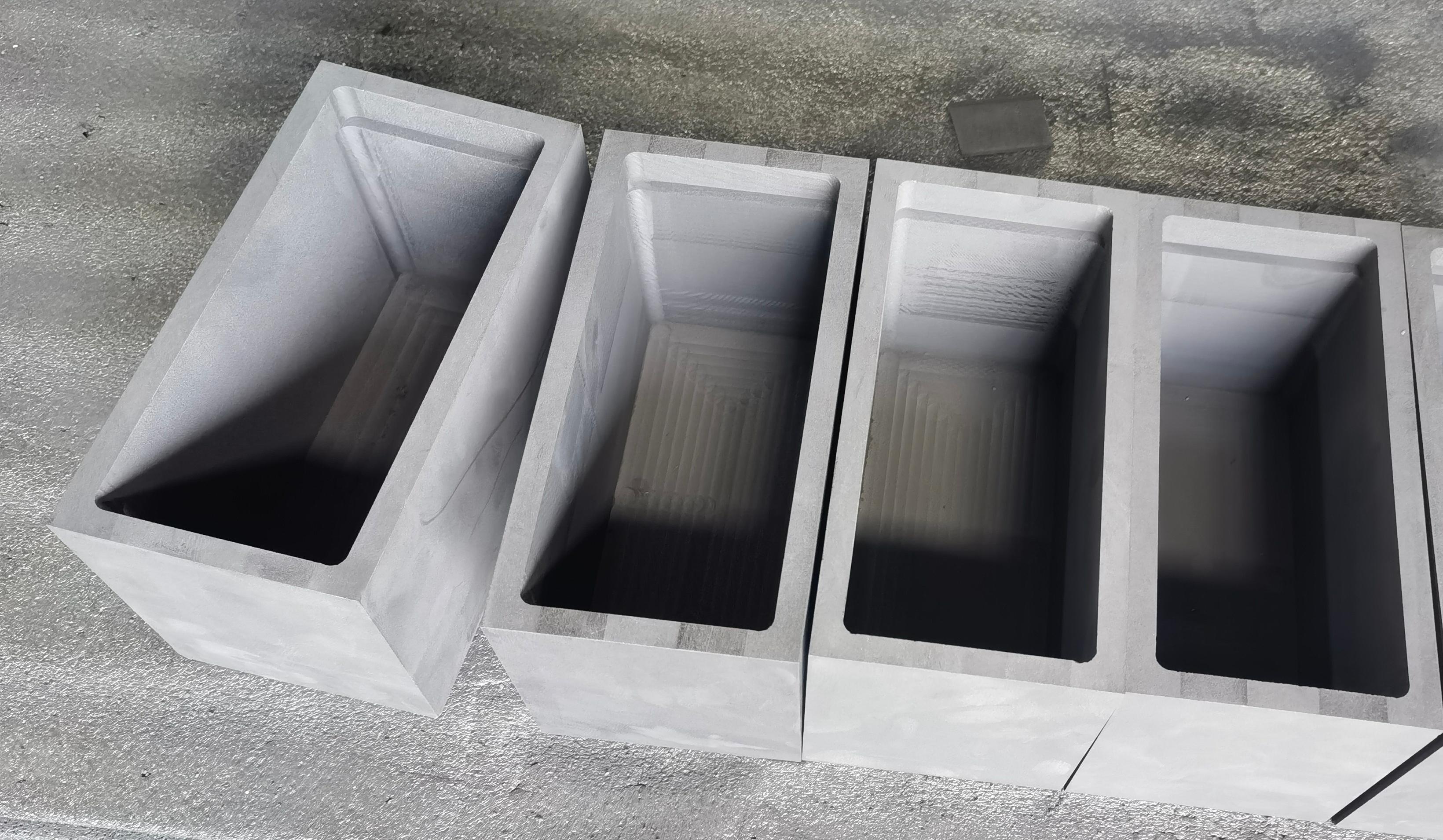
Graphite boats are specialized containers made from high-purity graphite that are commonly used in the metallurgy sector, particularly in processes involving the melting, casting, and processing of metals and minerals. Due to their remarkable thermal and chemical properties, graphite boats have become indispensable tools in both industrial and laboratory settings.
One of the primary advantages of graphite boats is their exceptional resistance to high temperatures, which can reach upwards of 3000 degrees Celsius. This makes them ideal for processes such as vacuum melting, where materials are subjected to intense heat in a controlled environment. The ability of graphite to withstand such extremes without deforming or breaking down ensures that metallurgical processes can be conducted efficiently and safely.
In addition to their thermal stability, graphite boats exhibit excellent chemical resistance. They are inert in most environments, which means they do not react with the materials they come into contact with during metal processing. This inertness is particularly important when dealing with reactive metals or corrosive environments, as it prevents contamination and helps maintain the purity of the final product.
Furthermore, graphite boats are favored for their lightweight nature compared to traditional metal containers. This not only makes handling easier but also improves energy efficiency during high-temperature operations. The reduced weight leads to lower energy consumption when transporting materials, ultimately contributing to cost savings in production.
Another crucial aspect of graphite boats is their thermal conductivity. Graphite's outstanding ability to conduct heat evenly and efficiently ensures that the materials being processed experience uniform heating. This is vital in metallurgical applications, as uneven heating can lead to defects and inconsistencies in the final product.
Graphite boats also come in various shapes and sizes, tailored to meet specific operational needs. Whether in the form of trays, crucibles, or molds, these versatile tools can be customized to suit different applications, enhancing their usability across various metallurgical processes.
In conclusion, the significance of graphite boats in the metallurgy sector cannot be overstated. Their unique combination of high-temperature resistance, chemical inertness, lightweight design, and excellent thermal conductivity makes them an essential component in modern metal processing. As industries continue to demand greater efficiency and precision, graphite boats will undoubtedly play a vital role in shaping the future of metallurgy.
Contact Us
E-mail:
Phone/WhatsApp:
+86 15711363051
Address:
Xingchuang International C912, Xinya Street No.15, Daxing District, Beijing, China



Contact
TEL: +8615711363051
EMAIL: sales@topflymaterial.com
ADD: Xingchuang International C912, Xinya Street No.15, Daxing District, Beijing, China