
The Impact of Graphite Blocks on Non-Metal Mineral Industries: A Comprehensive Analysis
Sep 07,2026
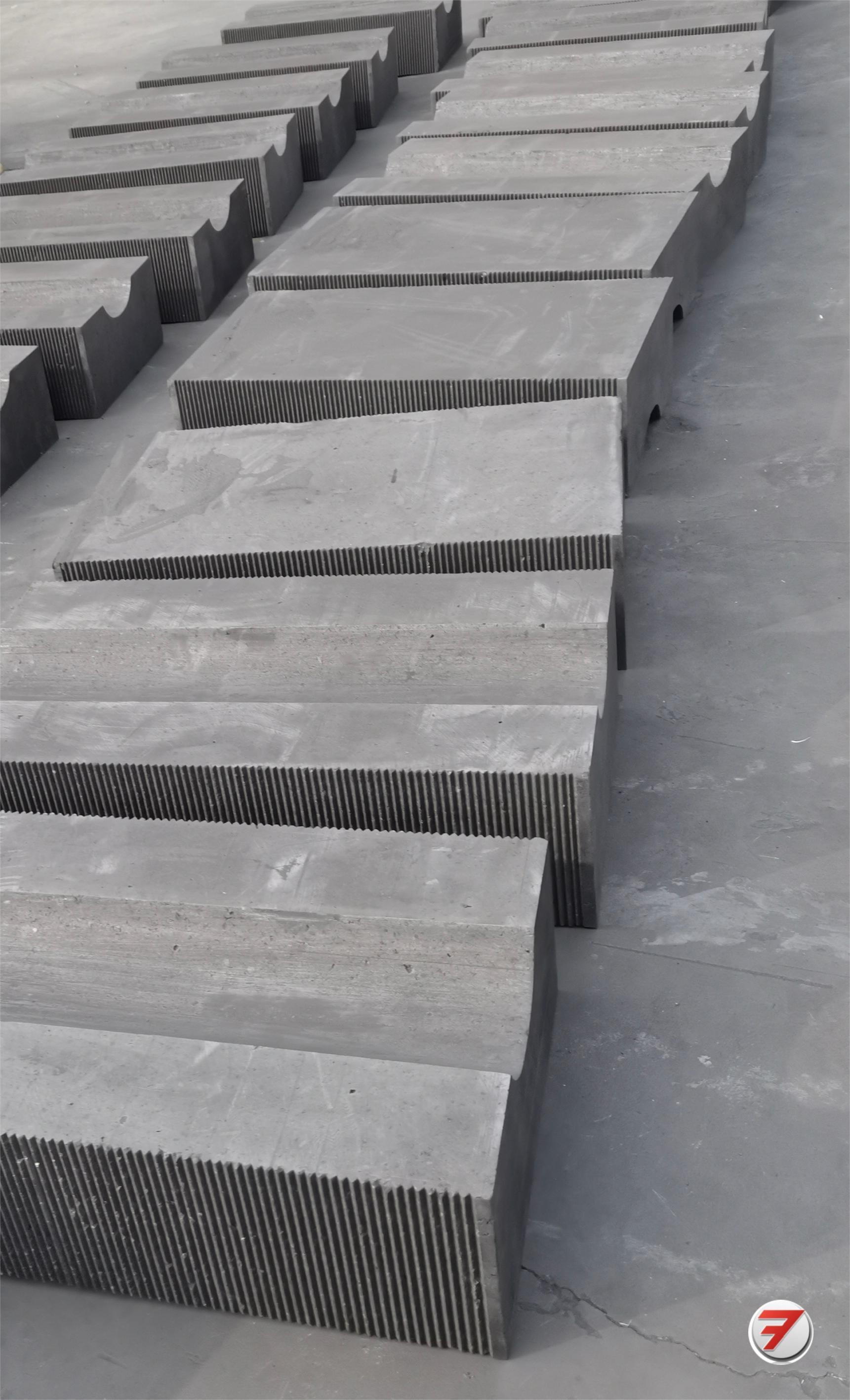
The Impact of Graphite Blocks on Non-Metal Mineral Industries
Table of Contents
- Introduction
- Understanding Graphite: Properties and Characteristics
- The Process of Graphite Production
- Applications of Graphite Blocks in Non-Metal Mineral Industries
- Economic Impact of Graphite Blocks
- Environmental Considerations in Graphite Mining and Use
- Future Trends in Graphite Block Usage
- Frequently Asked Questions
- Conclusion
Introduction
In recent years, **graphite blocks** have emerged as essential components in various non-metal mineral industries. The unique properties of graphite—such as its high thermal conductivity, electrical conductivity, and resistance to corrosion—make it an invaluable resource in applications ranging from energy storage to advanced manufacturing. This article seeks to provide an in-depth exploration of the impact of graphite blocks on these industries, examining their benefits, applications, and overall significance.
Understanding Graphite: Properties and Characteristics
Graphite is an allotrope of carbon, characterized by its layered structure, which allows for exceptional flexibility and thermal stability. The following are key properties that contribute to its widespread use:
Thermal Conductivity
Graphite exhibits high thermal conductivity, making it an ideal material for applications requiring efficient heat dissipation, such as in electronics and HVAC systems.
Electrical Conductivity
As one of the best natural conductors of electricity, graphite is widely used in batteries, fuel cells, and other electrical applications.
Resistance to Chemicals
Graphite's inherent resistance to various chemicals and high temperatures makes it suitable for use in harsh environments, especially in the metallurgical and chemical industries.
Lubrication Properties
The lubricating properties of graphite allow it to be used in various mechanical applications, reducing friction and wear in machinery.
The Process of Graphite Production
The production of graphite blocks involves several steps, including mining, processing, and shaping. Understanding these processes highlights the importance of sustainable practices in graphite extraction.
Mining Methods
Graphite is typically obtained through either open-pit or underground mining methods. The choice depends on the depth and quality of the graphite deposits. Sustainable mining practices are crucial to minimize environmental impact.
Processing Techniques
Once mined, graphite undergoes several processing techniques, including crushing, grinding, and flotation, to refine the material and enhance its purity. The final product is then shaped into blocks or other forms as required by the industry.
Applications of Graphite Blocks in Non-Metal Mineral Industries
Graphite blocks find extensive applications across various sectors. Here are some notable uses:
Energy Storage Systems
With the rise of renewable energy sources, graphite blocks are increasingly used in energy storage systems, particularly in lithium-ion batteries. Their high conductivity ensures efficient energy transfer.
Manufacturing of Refractories
Graphite blocks are essential in producing refractories used in high-temperature processes, such as metal smelting. Their resistance to thermal shock enhances the durability of industrial furnaces.
Electrodes for Electrolysis
In the chemical industry, graphite blocks serve as electrodes for electrolysis processes, facilitating the production of chemicals and metals.
Advanced Materials in Aerospace
The aerospace industry leverages the lightweight and strong nature of graphite blocks to create advanced materials used in aircraft and spacecraft, contributing to improved fuel efficiency.
Lubricants in Machinery
Graphite blocks are commonly used as lubricants in various mechanical applications, reducing friction and extending the life of machinery.
Economic Impact of Graphite Blocks
The economic implications of utilizing graphite blocks extend beyond their immediate applications.
Market Growth and Demand
The increasing demand for electric vehicles and renewable energy technologies has significantly boosted the graphite market. Analysts predict robust growth in the coming years, driven by advancements in battery technology.
Job Creation
Graphite mining and processing play a significant role in job creation in various regions. As industries expand, the need for skilled labor in mining, processing, and manufacturing also rises.
Investment Opportunities
The graphite industry presents lucrative investment opportunities, with various companies seeking to capitalize on the growing demand for graphite products. Investors are increasingly recognizing the potential for growth in this sector.
Environmental Considerations in Graphite Mining and Use
While the benefits of graphite blocks are significant, it is vital to consider their environmental implications.
Sustainable Mining Practices
The graphite industry is under scrutiny regarding its environmental impact. Sustainable mining practices, such as minimizing land disturbance and reducing water usage, are essential for mitigating negative effects.
Recycling Graphite
Recycling graphite from used batteries and other products presents an opportunity to reduce waste and conserve resources. Efforts are underway to enhance graphite recycling technologies and processes.
Reducing Carbon Footprint
A focus on reducing the carbon footprint associated with graphite mining and processing can further enhance the sustainability of the industry.
Future Trends in Graphite Block Usage
The future of graphite blocks in non-metal mineral industries appears promising, driven by technological advancements and increased demand.
Innovations in Battery Technology
As technology evolves, innovations in battery design and efficiency will likely lead to higher demand for advanced graphite materials, particularly in electric vehicles and renewable energy storage.
Growing Focus on Sustainability
As industries prioritize sustainability, the push for environmentally friendly mining and processing methods will shape the future of the graphite market.
Research and Development
Continued research into enhancing the performance of graphite blocks will lead to new applications and drive demand across various sectors.
Frequently Asked Questions
1. What are graphite blocks used for in non-metal mineral industries?
Graphite blocks are used in energy storage systems, manufacturing refractories, serving as electrodes in electrolysis, and as lubricants in machinery.
2. How is graphite extracted from the earth?
Graphite is extracted through mining methods, which can be open-pit or underground, depending on the deposit's location and quality.
3. What are the environmental impacts of graphite mining?
Graphite mining can lead to land disturbance, water usage, and pollution; however, sustainable practices can minimize these impacts.
4. Is graphite recyclable?
Yes, graphite can be recycled from used products like batteries, reducing waste and conserving resources.
5. What is the future outlook for the graphite industry?
The industry is expected to grow due to increased demand from electric vehicles and renewable energy technologies, alongside a focus on sustainability.
Conclusion
Graphite blocks play a pivotal role in non-metal mineral industries, offering a plethora of applications that enhance productivity and efficiency. As we delve deeper into the era of technology and sustainability, the importance of graphite is set to rise, influencing economic growth and environmental practices. By understanding the nuances of graphite production, applications, and future trends, stakeholders can better navigate the evolving landscape of non-metal mineral industries, ensuring sustainable and innovative growth.
Contact Us
E-mail:
Phone/WhatsApp:
+86 15711363051
Address:
Xingchuang International C912, Xinya Street No.15, Daxing District, Beijing, China



Contact
TEL: +8615711363051
EMAIL: sales@topflymaterial.com
ADD: Xingchuang International C912, Xinya Street No.15, Daxing District, Beijing, China