
Innovative Applications of Isostatic Graphite in Medical Technology
Sep 05,2026
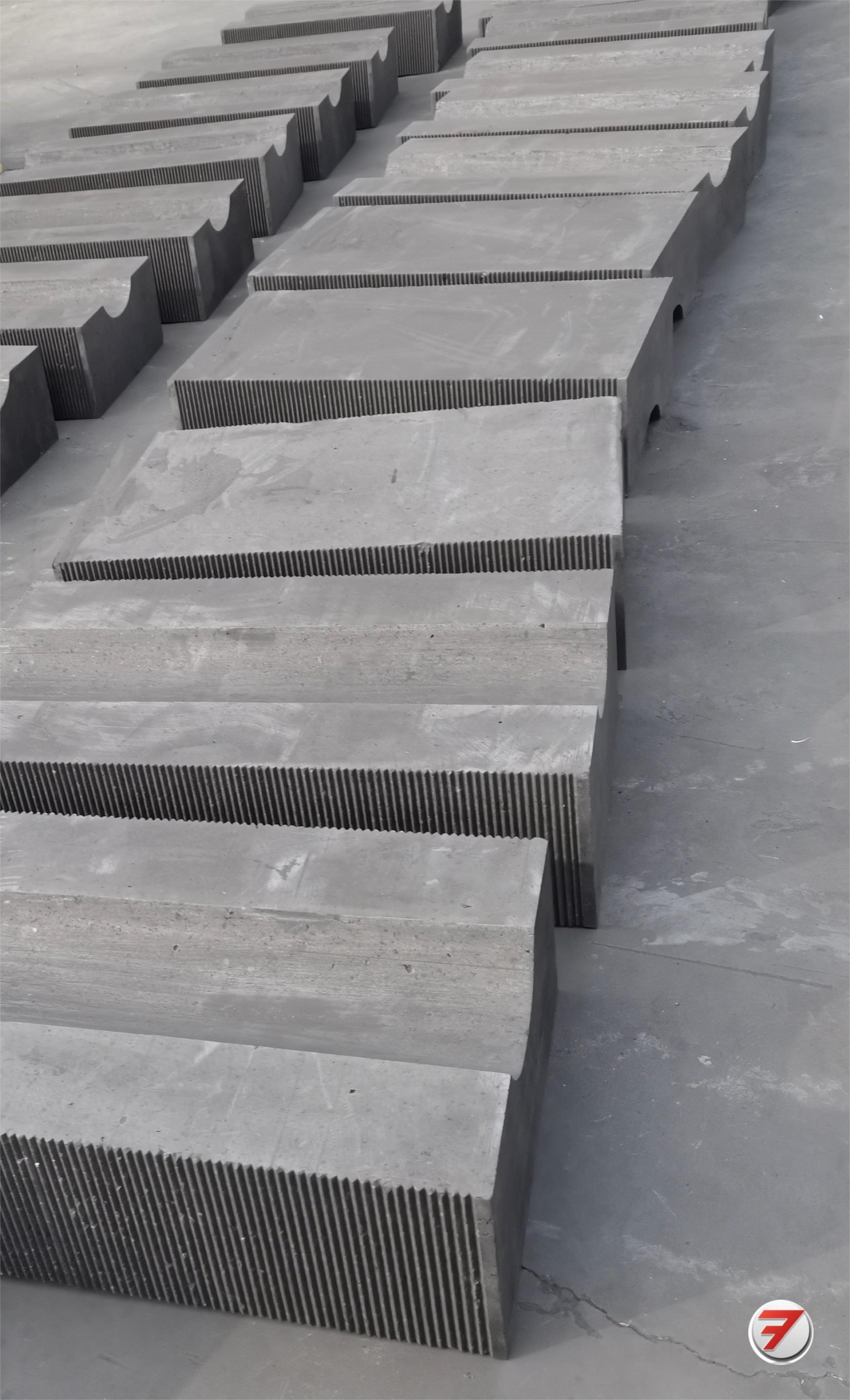
Innovative Applications of Isostatic Graphite in Medical Technology
Table of Contents
- 1. Introduction to Isostatic Graphite
- 2. Key Properties of Isostatic Graphite
- 3. Role of Isostatic Graphite in Medical Device Manufacturing
- 4. Isostatic Graphite in Diagnostic Tools
- 5. Therapeutic Applications of Isostatic Graphite
- 6. Safety and Reliability in Medical Applications
- 7. Future Trends in Isostatic Graphite Usage in Medicine
- 8. FAQs
- 9. Conclusion
1. Introduction to Isostatic Graphite
Isostatic graphite, known for its unique characteristics, is gaining significant traction in the medical technology sector. This type of graphite is produced through a process that evenly distributes pressure, resulting in a material that boasts exceptional strength and thermal stability. As the healthcare industry seeks innovative solutions to improve efficiency and patient outcomes, isostatic graphite offers a promising avenue for development.
2. Key Properties of Isostatic Graphite
The advantages of isostatic graphite are deeply rooted in its physical and chemical properties. Below are some of the most notable characteristics that make it an ideal candidate for medical applications:
2.1 High Thermal Conductivity
Isostatic graphite exhibits superior thermal conductivity, allowing for effective heat dissipation in various medical devices. This property is particularly beneficial in applications such as lasers and other thermal-based equipment.
2.2 Chemical Resistance
The material's resistance to chemical corrosion ensures that it maintains integrity when exposed to various sterilizing agents used in medical environments, ensuring longevity and reliability.
2.3 Low Density and High Strength
Despite its lightweight nature, isostatic graphite possesses remarkable strength, making it suitable for precise applications where durability is crucial without adding excess weight.
2.4 Excellent Machinability
Isostatic graphite can be easily machined into intricate shapes, allowing manufacturers to design components tailored to specific medical applications.
3. Role of Isostatic Graphite in Medical Device Manufacturing
Isostatic graphite is becoming increasingly important in manufacturing various medical devices. Its versatility allows for the creation of components that require precision and reliability.
3.1 Surgical Instruments
Isostatic graphite is utilized in the production of surgical instruments, combining exceptional sharpness and durability. The material ensures that instruments maintain their efficacy even after multiple sterilization cycles.
3.2 Implants
In orthopedic surgery, isostatic graphite is used in the design of implants. Its biocompatibility and strength make it ideal for load-bearing applications, ensuring patient safety and comfort.
3.3 Medical Imaging Equipment
The high thermal conductivity of isostatic graphite is advantageous in medical imaging equipment, where rapid heat dissipation is necessary to enhance the performance of devices such as MRI machines and CT scanners.
4. Isostatic Graphite in Diagnostic Tools
Diagnostic tools are pivotal in providing effective healthcare solutions, and isostatic graphite plays a vital role in enhancing their accuracy and reliability.
4.1 Electrodes for Diagnostic Testing
Isostatic graphite is widely used in electrodes for various diagnostic tests. The material's electrical conductivity ensures reliable performance, providing accurate readings for critical health assessments.
4.2 Biosensors
In the realm of biosensors, isostatic graphite enhances sensitivity and specificity. The material's unique properties allow for the detection of biomolecules at ultra-low concentrations, facilitating early disease diagnosis.
5. Therapeutic Applications of Isostatic Graphite
Beyond diagnostics, isostatic graphite is being explored in therapeutic applications that could revolutionize treatment protocols.
5.1 Radiation Therapy
Isostatic graphite is used as a shielding material in radiation therapy, protecting healthy tissue while allowing targeted treatment of tumors. Its effective radiation absorption properties make it invaluable in oncology.
5.2 Drug Delivery Systems
In drug delivery systems, isostatic graphite is utilized to create carriers that enable controlled release of medication. This innovation enhances treatment efficacy and minimizes side effects.
6. Safety and Reliability in Medical Applications
Ensuring patient safety is paramount in healthcare, and isostatic graphite contributes significantly to this aspect.
6.1 Sterilization and Biocompatibility
The ability to withstand high temperatures and aggressive sterilization methods without degrading makes isostatic graphite an excellent choice for sterile medical environments.
6.2 Long-term Performance
Isostatic graphite's durability ensures that medical devices maintain their performance over time, providing consistent results and minimizing the need for replacements.
7. Future Trends in Isostatic Graphite Usage in Medicine
As technology evolves, the potential applications of isostatic graphite in the medical field are expected to expand.
7.1 Innovations in 3D Printing
The advent of 3D printing technology is set to revolutionize the manufacturing of medical devices. Isostatic graphite could play a crucial role in creating custom implants and instruments tailored to individual needs.
7.2 Advances in Regenerative Medicine
Isostatic graphite’s properties may facilitate advancements in regenerative medicine, offering new solutions in tissue engineering and stem cell therapy.
8. FAQs
8.1 What is isostatic graphite?
Isostatic graphite is a high-density, high-purity form of graphite produced through an isostatic pressing process, known for its excellent thermal and electrical conductivity.
8.2 How is isostatic graphite used in medical technology?
Isostatic graphite is used in manufacturing surgical instruments, diagnostic tools, implants, and various therapeutic applications due to its superior properties.
8.3 Is isostatic graphite safe for medical use?
Yes, isostatic graphite is biocompatible and can withstand sterilization processes, making it a safe choice for medical applications.
8.4 What are the benefits of using isostatic graphite in medical devices?
The benefits include high strength, lightweight, excellent thermal and electrical conductivity, and resistance to chemical corrosion, enhancing device performance.
8.5 What future applications can we expect for isostatic graphite in healthcare?
Future applications may include advancements in 3D printing for custom medical devices and innovations in regenerative medicine.
9. Conclusion
The innovative applications of isostatic graphite in medical technology are reshaping the landscape of healthcare. With its unique properties and versatility, isostatic graphite is poised to enhance the performance of medical devices, improve diagnostic accuracy, and facilitate advanced therapeutic solutions. As the industry continues to evolve, this remarkable material will undoubtedly play a critical role in the future of medicine, delivering better outcomes for patients and healthcare providers alike.
Contact Us
E-mail:
Phone/WhatsApp:
+86 15711363051
Address:
Xingchuang International C912, Xinya Street No.15, Daxing District, Beijing, China



Contact
TEL: +8615711363051
EMAIL: sales@topflymaterial.com
ADD: Xingchuang International C912, Xinya Street No.15, Daxing District, Beijing, China