
A Comprehensive Guide to Graphite Electrode Applications: Unlocking the Potential of Carbon Products
Sep 03,2026
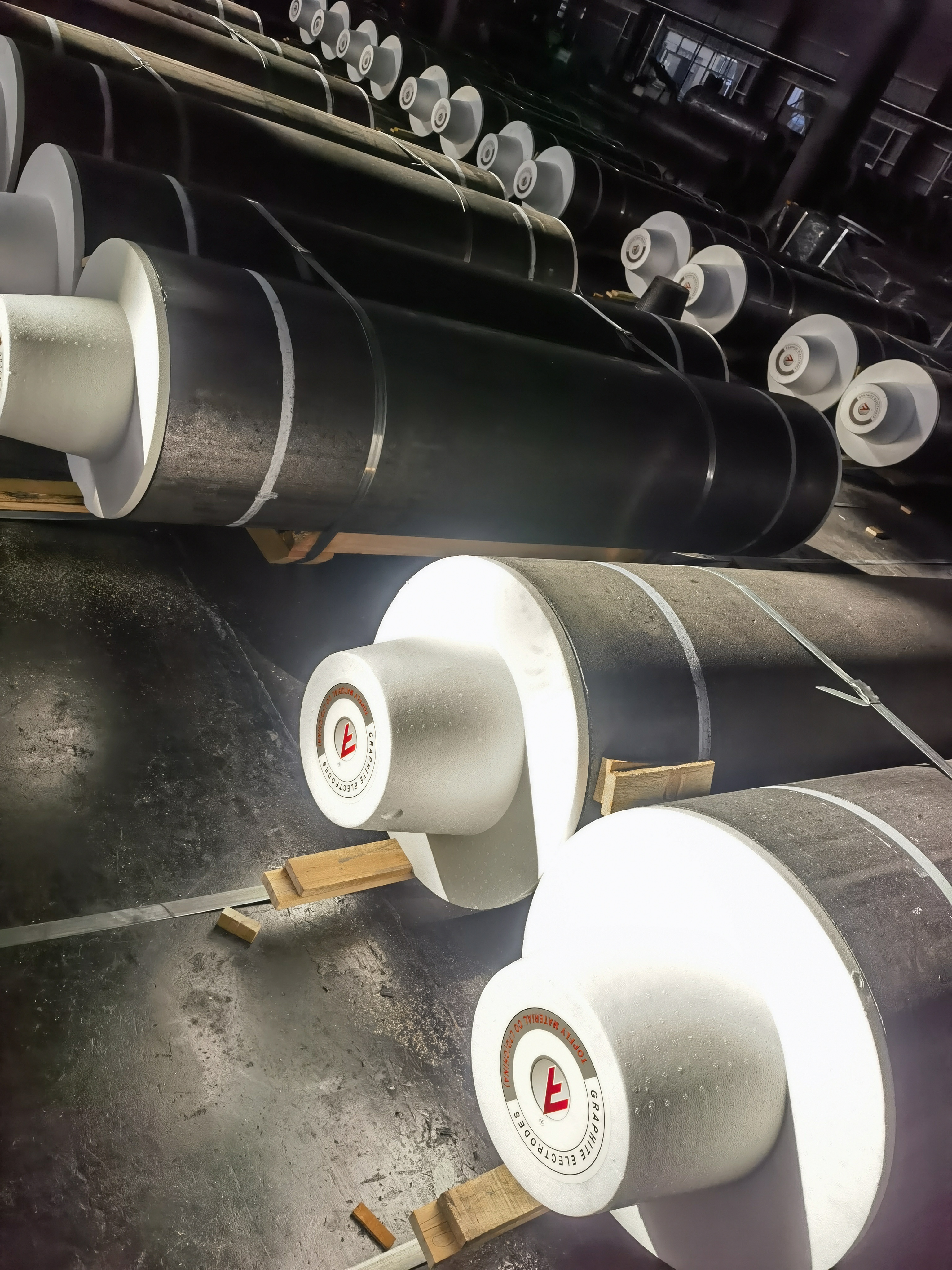
A Comprehensive Guide to Graphite Electrode Applications
Table of Contents
- 1. Introduction to Graphite Electrodes
- 2. What are Graphite Electrodes?
- 3. Properties of Graphite Electrodes
- 4. Applications of Graphite Electrodes
- 5. Advantages of Graphite Electrodes
- 6. Challenges in Graphite Electrode Usage
- 7. Future Trends in Graphite Electrodes
- 8. Conclusion
- 9. FAQs
1. Introduction to Graphite Electrodes
Graphite electrodes are pivotal components in the modern industrial landscape. Their unique properties enable a range of applications, particularly in the production of steel and other metals. This guide aims to provide a comprehensive overview of graphite electrodes, highlighting their significance, properties, applications, and future directions.
2. What are Graphite Electrodes?
Graphite electrodes are cylindrical structures composed primarily of graphite, used to conduct electricity in various high-temperature processes. They are manufactured from petroleum coke and pitch, subjected to high temperatures which transform them into high-purity graphite. This process enhances their electrical conductivity, thermal stability, and resistance to thermal shock.
3. Properties of Graphite Electrodes
Graphite electrodes are characterized by several key properties that make them suitable for industrial applications:
3.1 High Electrical Conductivity
Graphite's inherent structure allows for excellent electrical conductivity, enabling efficient energy transfer in electric furnaces.
3.2 Thermal Stability
The thermal resistance of graphite electrodes allows them to withstand high temperatures without degrading, making them ideal for intense industrial environments.
3.3 Low Thermal Expansion
Graphite exhibits minimal thermal expansion, which helps maintain structural integrity during heating and cooling cycles.
3.4 Resistance to Oxidation
While graphite can oxidize at high temperatures, its resistance allows for extended use in various applications when properly managed.
4. Applications of Graphite Electrodes
Graphite electrodes serve numerous industries, playing a crucial role in the following areas:
4.1 Electric Arc Furnaces
Electric arc furnaces (EAF) are the primary users of graphite electrodes. These furnaces melt scrap steel and other materials using electrical energy. The electrodes create an electric arc which generates the heat necessary to melt the metal. The efficiency and performance of EAFs largely depend on the quality of the graphite electrodes being used.
4.2 Foundries
In foundries, graphite electrodes are used for the production of castings. They facilitate the melting of various metals, including aluminum and copper, ensuring high-quality outputs. The ability to withstand extreme temperatures makes graphite electrodes indispensable in foundry operations.
4.3 Advanced Manufacturing Processes
Graphite electrodes are increasingly utilized in advanced manufacturing techniques, such as additive manufacturing and electrical discharge machining (EDM). Their precision and reliability contribute to the production of intricate designs and high-performance components in industries such as aerospace and automotive.
5. Advantages of Graphite Electrodes
The advantages of employing graphite electrodes are manifold:
5.1 Cost-Effectiveness
Despite the initial investment, the longevity and efficiency of graphite electrodes lead to lower operational costs over time.
5.2 Eco-Friendly Options
With growing environmental concerns, the use of recycled materials in the production of graphite electrodes has gained traction, promoting sustainability within the industry.
5.3 Versatility
Graphite electrodes can be tailored to fit a variety of applications, making them a versatile choice for different manufacturing environments.
6. Challenges in Graphite Electrode Usage
While graphite electrodes offer numerous benefits, several challenges remain:
6.1 Supply Chain Issues
The raw materials used in manufacturing graphite electrodes are subject to fluctuations in availability and pricing, impacting production stability.
6.2 Production Costs
Increased demand for high-quality graphite electrodes has led to rising production costs, which can affect profitability for manufacturers.
6.3 Competition from Alternatives
Emerging technologies and alternative materials present competition, challenging the market position of graphite electrodes.
7. Future Trends in Graphite Electrodes
The future of graphite electrodes is promising, characterized by several emerging trends:
7.1 Technological Advancements
Innovations in manufacturing processes and material science are likely to improve the efficiency and performance of graphite electrodes.
7.2 Increased Focus on Sustainability
The push for greener solutions in industry will drive the development of eco-friendly graphite electrode options, including those made from recycled materials.
7.3 Expanded Applications
As industries evolve, the applications for graphite electrodes will expand, particularly in sectors such as renewable energy and electric vehicles.
8. Conclusion
Graphite electrodes are a cornerstone of modern manufacturing, offering unparalleled benefits in electrical conductivity, thermal stability, and versatility. As industries continue to innovate and evolve, the importance of these electrodes is set to grow. By understanding their applications, advantages, and challenges, stakeholders can better navigate the complexities of the graphite electrode market and leverage their potential to enhance productivity and sustainability.
9. FAQs
9.1 What are the primary uses of graphite electrodes?
Graphite electrodes are primarily used in electric arc furnaces, foundries, and advanced manufacturing processes like electrical discharge machining.
9.2 How are graphite electrodes manufactured?
Graphite electrodes are made from petroleum coke and pitch, which are subjected to high temperatures to create high-purity graphite.
9.3 What advantages do graphite electrodes offer over other materials?
Graphite electrodes provide high electrical conductivity, thermal stability, and resistance to oxidation, making them suitable for high-temperature applications.
9.4 Are there any environmental concerns associated with graphite electrodes?
While there are concerns about the sourcing of raw materials, the industry is moving towards more sustainable practices, including the use of recycled materials.
9.5 What is the future of graphite electrodes in the manufacturing industry?
The future looks bright, with technological advancements and a focus on sustainability likely to drive innovations and expanded applications in various sectors.
Contact Us
E-mail:
Phone/WhatsApp:
+86 15711363051
Address:
Xingchuang International C912, Xinya Street No.15, Daxing District, Beijing, China



Contact
TEL: +8615711363051
EMAIL: sales@topflymaterial.com
ADD: Xingchuang International C912, Xinya Street No.15, Daxing District, Beijing, China