
How Graphite Blocks Enhance Efficiency in Energy Systems
Aug 24,2026
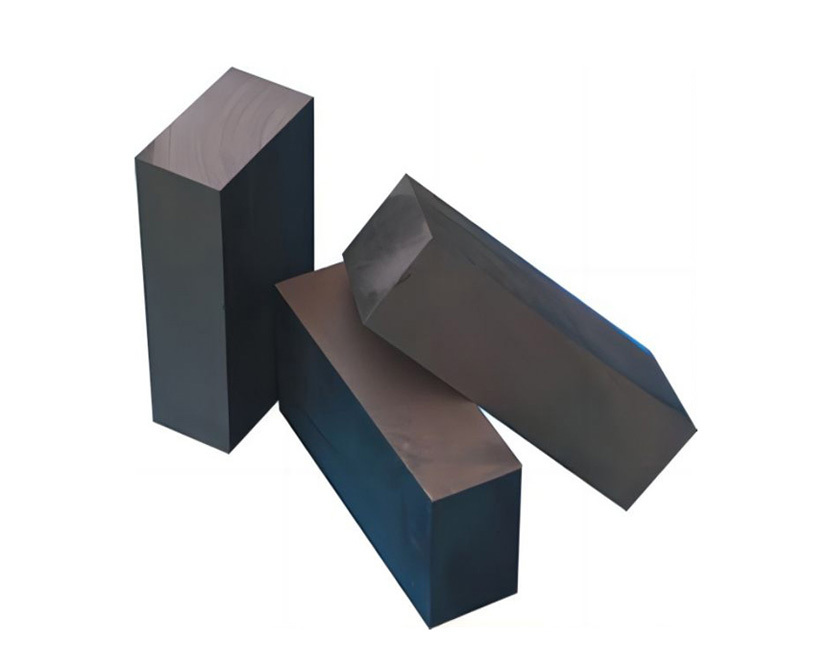
How Graphite Blocks Enhance Efficiency in Energy Systems
Table of Contents
- 1. Introduction to Graphite and Its Significance in Energy Systems
- 2. Unique Properties of Graphite Blocks
- 3. Applications of Graphite in Energy Systems
- 4. Advantages of Using Graphite Blocks in Energy Applications
- 5. Case Studies: Graphite Blocks in Real-World Energy Systems
- 6. The Environmental Impact of Graphite Blocks
- 7. Future Trends in Graphite Usage for Energy Efficiency
- 8. Conclusion
- 9. FAQs
1. Introduction to Graphite and Its Significance in Energy Systems
In the quest for sustainable energy solutions, the role of materials like graphite cannot be overstated. Graphite, a form of carbon, is notable for its unique properties that make it an ideal candidate in various energy applications. From batteries to fuel cells, graphite blocks are revolutionizing how energy is stored, converted, and utilized. This article explores how these materials enhance efficiency in energy systems, providing insights into their properties, applications, and future potential.
2. Unique Properties of Graphite Blocks
Graphite is distinguished by several key properties that contribute to its effectiveness in energy systems:
2.1 High Thermal Conductivity
Graphite exhibits excellent thermal conductivity, allowing for efficient heat dissipation in energy systems. This property is critical in applications such as lithium-ion batteries, where managing temperature is vital for performance and longevity.
2.2 Electrical Conductivity
The electrical conductivity of graphite makes it a preferred material for energy storage systems. Its ability to facilitate electron flow enhances the efficiency of batteries and supercapacitors, making energy conversion processes more effective.
2.3 Chemical Stability
Graphite is chemically inert, which means it is resistant to reactions under various conditions. This stability is essential for ensuring the longevity and reliability of energy systems, particularly in challenging environments.
2.4 Lightweight and Durable
The lightweight nature of graphite contributes to the overall efficiency of energy systems, particularly in applications like electric vehicles and renewable energy technologies, where weight reduction is crucial for optimal performance.
3. Applications of Graphite in Energy Systems
Graphite blocks play a versatile role in multiple energy applications:
3.1 Energy Storage Systems
Graphite is a vital component in lithium-ion batteries, where it serves as the anode material. The efficiency of these batteries relies heavily on the properties of graphite, which allow for high energy density and rapid charge/discharge cycles.
3.2 Fuel Cells
In fuel cells, graphite blocks are used in bipolar plates due to their excellent conductivity and corrosion resistance. These properties enhance the overall efficiency of fuel cells, making them a viable option for clean energy generation.
3.3 Thermal Management Solutions
Graphite's high thermal conductivity makes it ideal for heat sinks and thermal management systems in various energy technologies, including photovoltaic systems and power electronics.
3.4 Electromagnetic Interference Shielding
Graphite blocks can also be utilized for electromagnetic interference (EMI) shielding in energy systems, protecting sensitive components from external disturbances that could affect performance.
4. Advantages of Using Graphite Blocks in Energy Applications
The integration of graphite blocks into energy systems offers numerous advantages:
4.1 Enhanced Efficiency
By improving thermal and electrical conductivity, graphite blocks significantly enhance the efficiency of energy conversion processes.
4.2 Increased Lifespan
The chemical stability of graphite contributes to a longer lifespan for energy systems, reducing the frequency of replacements and overall costs.
4.3 Sustainability
Graphite is a naturally occurring material that can be sourced sustainably, making it an environmentally friendly choice for energy applications.
4.4 Cost-Effectiveness
The durability and efficiency of graphite blocks can lead to reduced operational costs, making them a cost-effective solution in the long run.
5. Case Studies: Graphite Blocks in Real-World Energy Systems
Examining real-world applications provides valuable insights into the effectiveness of graphite blocks in energy systems. Here are a few notable examples:
5.1 Electric Vehicles
Leading electric vehicle manufacturers have integrated graphite anodes into their battery systems, resulting in longer ranges and faster charging times. This advancement has significantly contributed to the growing popularity of electric vehicles.
5.2 Renewable Energy Storage
In the renewable energy sector, graphite blocks have been employed in large-scale energy storage systems, facilitating the efficient storage of energy generated from solar and wind sources. This application is essential for balancing supply and demand.
5.3 Grid-Scale Energy Solutions
Graphite's use in grid-scale energy solutions, such as pumped hydro storage, enhances the overall efficiency of energy distribution networks, ensuring a stable and reliable energy supply.
6. The Environmental Impact of Graphite Blocks
The environmental implications of using graphite in energy systems are increasingly important:
6.1 Sustainable Sourcing
Sustainable mining practices for natural graphite help minimize environmental damage, promoting a responsible approach to resource extraction.
6.2 Recycling Potential
Graphite blocks can be recycled, further reducing waste and minimizing the carbon footprint associated with energy production.
6.3 Contribution to Clean Energy Goals
By enhancing the efficiency of energy systems, graphite blocks play a crucial role in meeting global clean energy targets and reducing greenhouse gas emissions.
7. Future Trends in Graphite Usage for Energy Efficiency
As the demand for efficient energy systems continues to grow, several trends are emerging in the use of graphite:
7.1 Advancements in Battery Technology
Ongoing research into advanced battery technologies aims to further optimize graphite usage, potentially leading to even higher energy densities and faster charging capabilities.
7.2 Integration with Renewable Technologies
The synergy between graphite and renewable energy technologies will likely expand, creating new opportunities for efficient energy storage and conversion.
7.3 Development of Graphene
Graphene, a single layer of graphite, is being explored for its superior properties, which could lead to revolutionary advancements in energy systems, including ultrafast charging batteries and lightweight energy storage solutions.
8. Conclusion
Graphite blocks are pivotal in enhancing the efficiency of energy systems across various applications. Their unique properties—high thermal and electrical conductivity, chemical stability, and lightweight nature—position them as essential materials in the ongoing transition to more sustainable energy solutions. As we continue to explore innovative uses for graphite in energy systems, we can expect to see significant advancements that will contribute to a greener, more efficient future. Embracing the potential of graphite blocks not only drives technological progress but also supports global efforts toward a more sustainable energy landscape.
9. FAQs
Q1: What are graphite blocks used for in energy systems?
A1: Graphite blocks are primarily used in energy storage systems, fuel cells, thermal management solutions, and electromagnetic interference shielding.
Q2: How do graphite blocks improve battery performance?
A2: Graphite blocks enhance battery performance by providing excellent electrical conductivity and thermal management, leading to faster charging and longer battery life.
Q3: Are graphite blocks environmentally friendly?
A3: Yes, graphite can be sourced sustainably, and its recycling potential contributes to its overall environmental benefits in energy systems.
Q4: What is the future of graphite in energy technology?
A4: The future of graphite in energy technology includes advancements in battery technology, increased integration with renewable energy systems, and the development of graphene for next-generation energy solutions.
Q5: Can graphite blocks be recycled?
A5: Yes, graphite blocks can be recycled, which helps reduce waste and the environmental impact associated with energy production.
Contact Us
E-mail:
Phone/WhatsApp:
+86 15711363051
Address:
Xingchuang International C912, Xinya Street No.15, Daxing District, Beijing, China



Contact
TEL: +8615711363051
EMAIL: sales@topflymaterial.com
ADD: Xingchuang International C912, Xinya Street No.15, Daxing District, Beijing, China