
Graphite Electrode: The Unsung Hero of the Metallurgy Sector
Aug 20,2026
Graphite Electrode: The Unsung Hero of the Metallurgy Sector
Table of Contents
- Introduction: Understanding Graphite Electrodes
- What Are Graphite Electrodes?
- The Role of Graphite Electrodes in Metallurgy
- The Manufacturing Process of Graphite Electrodes
- Advantages of Graphite Electrodes
- Applications of Graphite Electrodes in Various Industries
- The Future of Graphite Electrodes in the Metallurgy Sector
- Conclusion: The Indispensable Nature of Graphite Electrodes
- FAQs about Graphite Electrodes
Introduction: Understanding Graphite Electrodes
Graphite electrodes represent an essential component in the metallurgy sector, primarily used in electric arc furnaces (EAFs) to produce steel and other metals. Despite their critical role, they often fly under the radar, overshadowed by more visible aspects of metallurgy. In this article, we will delve into the fascinating world of graphite electrodes, exploring their composition, functionality, and significance in modern industrial practices.
What Are Graphite Electrodes?
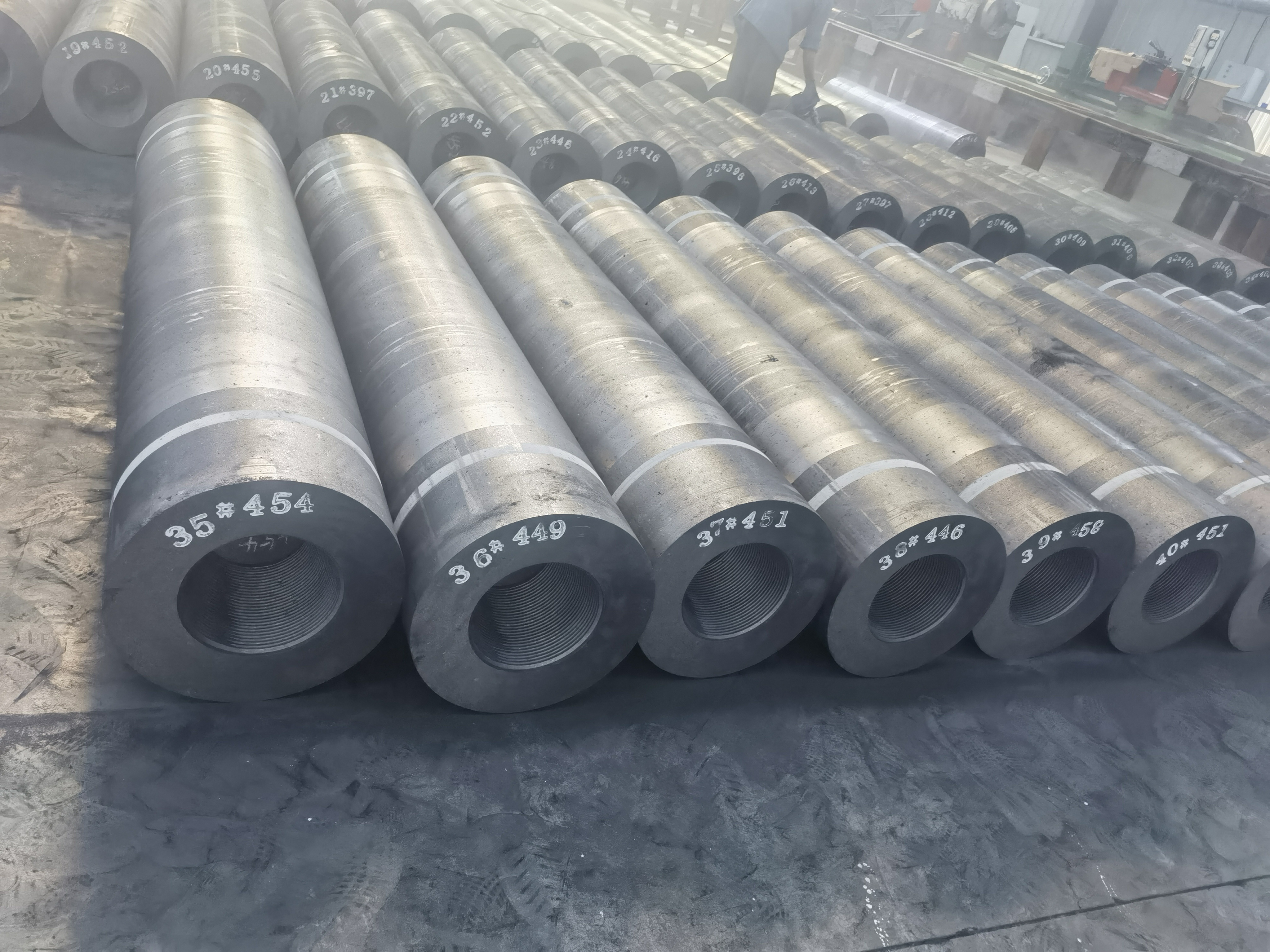
Graphite electrodes are conductive materials made from high-purity graphite, designed to carry electric current and withstand high temperatures. Their primary function is to facilitate the melting of metals within electric arc furnaces. These electrodes come in various sizes and grades, tailored for specific applications within the metallurgy industry.
Composition and Properties of Graphite Electrodes
The composition of graphite electrodes is predominantly carbon, providing excellent electrical conductivity and thermal resistance. The unique crystalline structure of graphite allows it to endure extreme temperatures while maintaining its structural integrity. Additionally, graphite electrodes exhibit low thermal expansion, making them ideal for high-temperature applications.
The Role of Graphite Electrodes in Metallurgy
Graphite electrodes play a pivotal role in the metallurgical processes, particularly in steelmaking. Electric arc furnaces utilize these electrodes to generate the intense heat required to melt scrap steel and other raw materials.
Applications in Steel Production
In steel production, graphite electrodes are paramount in recycling scrap metal, promoting sustainability and reducing the carbon footprint associated with traditional steelmaking processes. The use of electric arc furnaces powered by graphite electrodes enables the efficient conversion of scrap into high-quality steel, vital for various construction and manufacturing industries.
Impact on Other Metals
Beyond steel, graphite electrodes are also utilized in the production of other metals, including aluminum and copper. Their ability to handle extreme temperatures and conductivity makes them versatile for various metallurgical applications.
The Manufacturing Process of Graphite Electrodes
The production of graphite electrodes involves intricate processes that ensure high quality and performance.
Raw Material Selection
The manufacturing process begins with selecting high-quality petroleum coke and pitch, which are crucial for producing high-performance electrodes. These materials undergo a series of chemical treatments to enhance their properties.
Impregnation and Baking
Once the raw materials are processed, they are subjected to a baking process in a furnace. This step involves heating the materials to high temperatures, transforming them into a rigid, carbon-rich structure. After baking, the electrodes undergo an impregnation process to fill any voids, further enhancing their strength and conductivity.
Graphitization
The final step in the manufacturing process is graphitization, where the electrodes are heated to temperatures exceeding 3000 degrees Celsius. This process converts the carbon structure into a highly ordered graphite structure, significantly improving electrical conductivity and thermal resistance.
Advantages of Graphite Electrodes
Graphite electrodes offer numerous benefits that make them indispensable in the metallurgy sector.
High Thermal and Electrical Conductivity
One of the primary advantages of graphite electrodes is their exceptional thermal and electrical conductivity. This quality is crucial for efficient electric arc furnace operations, ensuring optimal energy use and reduced operational costs.
Resistance to Thermal Shock
Graphite electrodes exhibit excellent resistance to thermal shock, allowing them to withstand rapid temperature fluctuations without cracking or degrading. This durability extends the lifespan of the electrodes, reducing the frequency of replacements and maintenance.
Sustainability and Environmental Impact
The use of graphite electrodes promotes sustainability in the metallurgy sector by facilitating the recycling of scrap metal. This practice not only conserves natural resources but also minimizes the environmental impact associated with mining and processing new materials.
Applications of Graphite Electrodes in Various Industries
Graphite electrodes find applications beyond the metallurgy sector, showcasing their versatility across various industries.
Electronics and Semiconductor Manufacturing
In the electronics industry, graphite electrodes are used in the production of semiconductors and other electronic components. Their conductivity and resistance to thermal stress make them ideal for high-performance applications.
Foundry Operations
Foundries rely on graphite electrodes for melting metals, producing castings, and manufacturing components with tight tolerances. The electrodes' ability to maintain stable temperatures ensures high-quality results in metal casting.
Renewable Energy Technologies
Graphite electrodes are increasingly being utilized in renewable energy technologies, including batteries and fuel cells. Their conductive properties support efficient energy storage and conversion processes, contributing to the advancement of green technologies.
The Future of Graphite Electrodes in the Metallurgy Sector
As advancements in technology continue to shape the metallurgy sector, the role of graphite electrodes is expected to evolve. Innovations in electrode design and materials are being explored to enhance performance and sustainability.
Research and Development
Ongoing research focuses on developing new electrode materials that improve conductivity, reduce environmental impact, and enhance overall performance. This innovation will likely lead to even more efficient and versatile graphite electrodes.
Impact of Industry Trends
The shift towards sustainable manufacturing practices and the increasing demand for recycled metals are driving the need for high-quality graphite electrodes. As industries prioritize environmental responsibility, graphite electrodes will play a crucial role in facilitating these changes.
Conclusion: The Indispensable Nature of Graphite Electrodes
Graphite electrodes are indeed the unsung heroes of the metallurgy sector. Their critical role in electric arc furnaces, combined with their numerous advantages, positions them as a cornerstone of modern metal production. As industries continue to evolve and embrace sustainability, graphite electrodes will remain at the forefront, enabling efficient and environmentally friendly practices. The future looks bright for these essential components, reflecting their indispensable nature in the ever-changing landscape of metallurgy.
FAQs about Graphite Electrodes
1. What is the primary use of graphite electrodes?
Graphite electrodes are primarily used in electric arc furnaces for steel production, where they facilitate the melting of metal through electrical conductivity.
2. How are graphite electrodes manufactured?
Graphite electrodes are manufactured through a series of processes that include raw material selection, baking, impregnation, and graphitization.
3. What advantages do graphite electrodes offer over other materials?
Graphite electrodes offer high thermal and electrical conductivity, resistance to thermal shock, and contribute to sustainable manufacturing processes.
4. Are graphite electrodes environmentally friendly?
Yes, graphite electrodes promote recycling in metallurgy, reducing the environmental impact associated with mining and processing new materials.
5. What industries benefit from the use of graphite electrodes?
In addition to metallurgy, graphite electrodes are utilized in electronics, foundry operations, and renewable energy technologies, showcasing their versatility across various sectors.
Contact Us
E-mail:
Phone/WhatsApp:
+86 15711363051
Address:
Xingchuang International C912, Xinya Street No.15, Daxing District, Beijing, China



Contact
TEL: +8615711363051
EMAIL: sales@topflymaterial.com
ADD: Xingchuang International C912, Xinya Street No.15, Daxing District, Beijing, China