
How Graphite Electrode Affects the Performance of Electric Steelmaking
Aug 06,2026
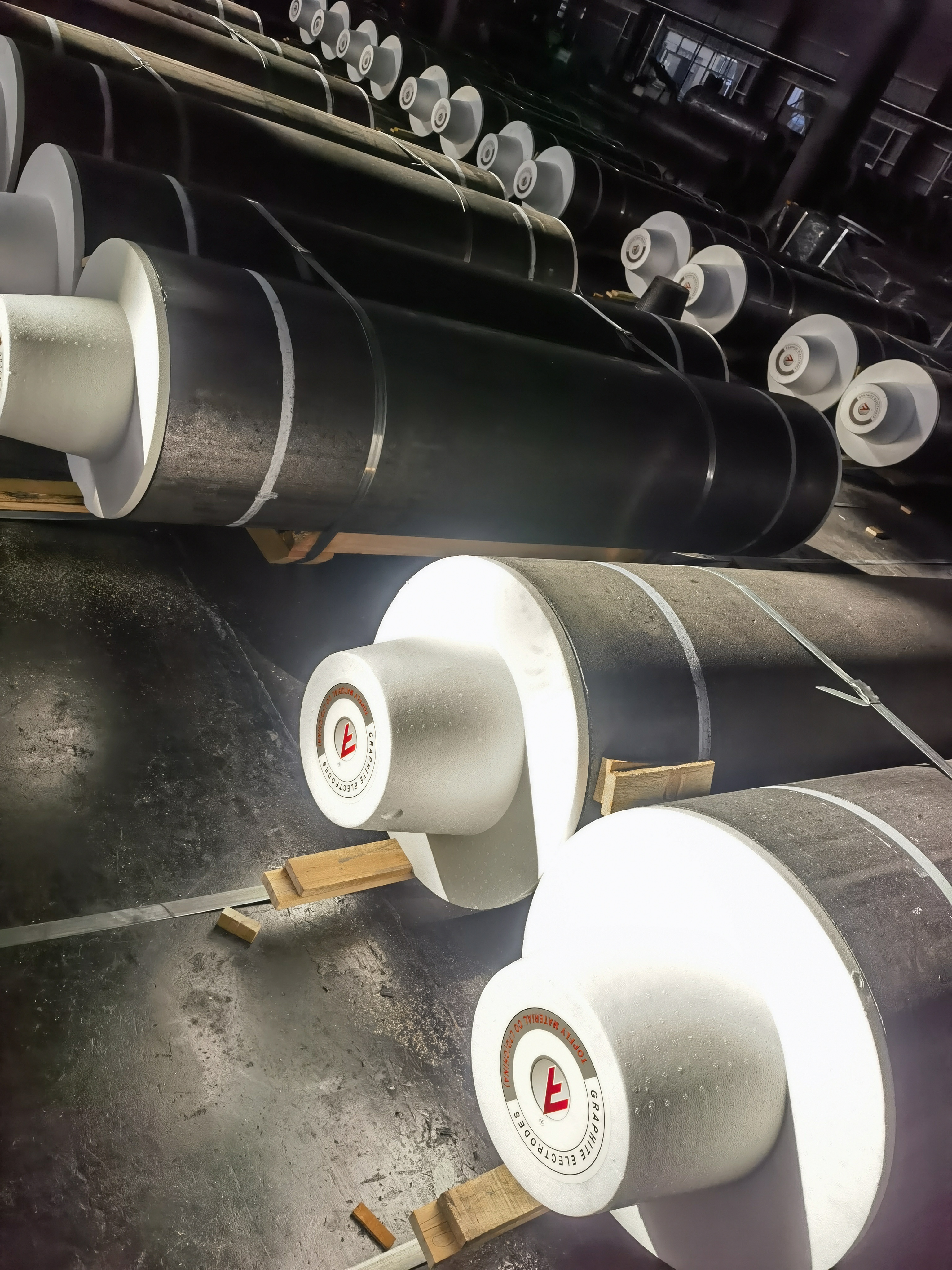
Introduction to Graphite Electrodes in Electric Steelmaking
The evolution of steel production has significantly transformed with the introduction of electric arc furnaces (EAFs). At the heart of this innovation lies the **graphite electrode**, a crucial component that enhances the performance of electric steelmaking. In this article, we will explore how these electrodes work, their properties, and their impact on the overall efficiency and quality of steel production.
The Role of Graphite Electrodes in Electric Arc Furnaces
Graphite electrodes serve as the conduits for electrical energy in electric arc furnaces, facilitating the melting of scrap steel and other metallic materials. When electric current passes through the electrodes, an arc is generated between the electrodes and the charge, producing the high temperatures necessary for melting.
Understanding the Composition and Structure of Graphite Electrodes
Graphite electrodes are primarily composed of **natural and petroleum coke**, which undergo a series of processes including calcination, mixing, molding, and graphitization to achieve their final structure. The unique properties of graphite, such as high electrical conductivity, excellent thermal resistance, and mechanical strength, make these electrodes ideal for EAF applications.
The Importance of Conductivity in Graphite Electrodes
**Electrical conductivity** is one of the most critical properties of graphite electrodes. High conductivity ensures efficient energy transfer, which is vital for maintaining the necessary temperatures for melting. The purity of the graphite material directly affects its conductivity; therefore, high-quality electrodes are essential for optimal furnace performance.
How Graphite Electrodes Impact Melting Efficiency
The **efficiency of melting** in electric steelmaking is influenced by several factors, including the design and quality of graphite electrodes. A well-designed electrode can significantly reduce electrical resistance, allowing for more effective energy use.
Temperature Control and Consistency
Temperature consistency is crucial in steel production. Graphite electrodes help achieve stable temperatures throughout the melting process, leading to uniform melting and improved metal quality. Fluctuations in temperature often lead to defects in the final product, making the role of graphite electrodes even more critical.
Reducing Power Consumption through Optimized Electrode Design
The design of graphite electrodes can also influence power consumption. Engineers are continually developing **optimized electrode shapes** and sizes to minimize energy loss. By enhancing the geometry of electrodes, manufacturers can improve the efficiency of the electric arc and reduce operational costs.
Quality of Steel Produced with Graphite Electrodes
The quality of steel produced in electric arc furnaces is significantly affected by the type of graphite electrodes used. High-quality electrodes contribute to cleaner steel with fewer impurities, which is essential for various applications in construction, automotive, and manufacturing.
The Role of Impurities in Steel Production
Impurities in steel can lead to weaknesses in structural integrity. Graphite electrodes play a pivotal role in minimizing these impurities during the melting process. The quality of the graphite used influences the level of contaminants, making it vital for producers to select electrodes carefully.
Impact on Mechanical Properties of Steel
The mechanical properties of steel, such as tensile strength and ductility, are also influenced by the melting process facilitated by graphite electrodes. A more efficient melting process results in better metallurgical structures, directly impacting the performance of the final steel product.
Sustainability Aspects of Using Graphite Electrodes
Sustainability has become a central theme in the metallurgy and energy sectors. The use of graphite electrodes in electric steelmaking aligns with environmental goals by facilitating the recycling of scrap materials and reducing greenhouse gas emissions compared to traditional blast furnace methods.
Energy Efficiency and Carbon Footprint Reduction
Electric arc furnaces equipped with high-quality graphite electrodes consume less energy, leading to a smaller carbon footprint. This efficiency not only benefits manufacturers economically but also contributes to a more sustainable steel industry.
Recyclability of Graphite Electrodes
Moreover, **graphite electrodes are recyclable**, meaning they can be reused in various applications, further supporting sustainability initiatives within the industry. This recyclability helps mitigate waste and promotes a circular economy in steel production.
Challenges and Innovations in Graphite Electrode Production
Despite their advantages, the production of graphite electrodes faces several challenges, including raw material availability and the need for continuous innovation. Manufacturers are exploring new methods and materials to improve electrode performance and reduce costs.
Advancements in Electrode Technology
Recent advancements in **graphite electrode technology** have focused on enhancing the mechanical properties and thermal conductivity of electrodes. Innovations such as the use of composite materials and advanced manufacturing techniques are paving the way for stronger and more efficient electrodes.
The Future of Graphite Electrodes in Electric Steelmaking
The future of graphite electrodes in electric steelmaking looks promising. As the demand for high-quality steel continues to rise, the development of more efficient and sustainable electrodes will be critical in meeting industry standards and environmental goals.
Frequently Asked Questions (FAQs)
What are graphite electrodes made of?
Graphite electrodes are primarily composed of petroleum and needle coke, which undergo various processes to achieve the desired electrical and thermal properties.
How do graphite electrodes influence steel quality?
The quality of graphite electrodes directly affects the cleanliness and properties of the steel produced, as high-quality electrodes minimize impurities during melting.
What is the role of graphite electrodes in energy efficiency?
Graphite electrodes reduce electrical resistance and enhance energy transfer, leading to lower power consumption and improved overall efficiency in electric arc furnaces.
Can graphite electrodes be recycled?
Yes, graphite electrodes are recyclable and can be reused in various applications, contributing to sustainability efforts in the steel industry.
What are the challenges in graphite electrode production?
Challenges include the availability of raw materials, maintaining consistent quality, and the need for innovation in electrode technology to meet industry demands.
Conclusion
In conclusion, the role of **graphite electrodes** in electric steelmaking is indispensable. From enhancing melting efficiency to improving the quality of steel produced, these components are critical in shaping the future of the metallurgy industry. As manufacturers continue to innovate and optimize electrode design, the benefits of using high-quality graphite electrodes will only become more pronounced, paving the way for a more efficient and sustainable steelmaking process. Understanding the intricacies of graphite electrodes helps stakeholders navigate the evolving landscape of electric steelmaking, ensuring that the industry meets both economic and environmental goals.
Contact Us
E-mail:
Phone/WhatsApp:
+86 15711363051
Address:
Xingchuang International C912, Xinya Street No.15, Daxing District, Beijing, China



Contact
TEL: +8615711363051
EMAIL: sales@topflymaterial.com
ADD: Xingchuang International C912, Xinya Street No.15, Daxing District, Beijing, China