
The Crucial Role of Graphite Blocks in Modern Metallurgical Processes
Jul 27,2026
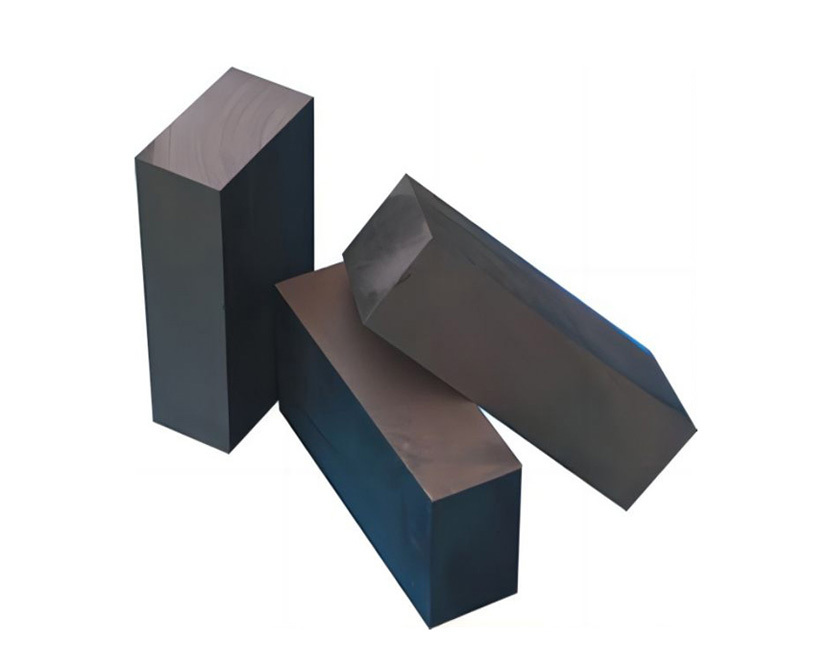
The Crucial Role of Graphite Blocks in Modern Metallurgical Processes
Table of Contents
- Introduction to Graphite Blocks in Metallurgy
- Key Properties of Graphite Blocks
- Applications of Graphite Blocks in Metallurgical Processes
- Benefits of Using Graphite Blocks in Metallurgy
- Manufacturing Process of Graphite Blocks
- Sustainability and Environmental Impact
- Future Trends in Graphite Block Technology
- Conclusion
- Frequently Asked Questions
Introduction to Graphite Blocks in Metallurgy
In the realm of modern metallurgy, **graphite blocks** play an indispensable role in various processes. These materials, known for their unique properties, are crucial in applications ranging from casting to electrochemical processes. As industries strive for efficiency and productivity, the demand for high-quality graphite blocks continues to rise. This article delves into the significance of graphite blocks, exploring their properties, applications, and the future of this essential material in metallurgy.
Key Properties of Graphite Blocks
Graphite blocks are renowned for a range of unique properties that make them well-suited for metallurgical applications.
1. High Thermal Conductivity
One of the standout features of graphite blocks is their **high thermal conductivity**. This property allows for effective heat transfer during metallurgical processes, making them indispensable in applications such as electric arc furnaces (EAFs) and foundries.
2. Chemical Stability
Graphite exhibits excellent **chemical stability**, making it resistant to oxidation and other chemical reactions at elevated temperatures. This stability is crucial in environments where reactive metals and alloys are processed.
3. Lubrication Properties
The natural lubricating properties of graphite make it ideal for use in molds and dies. This quality helps reduce wear and tear, enhancing the lifespan of these essential tools.
4. Electrical Conductivity
Graphite’s inherent **electrical conductivity** is vital for processes requiring electrical current, such as in the production of electrodes and batteries. This property makes it a versatile material for various metallurgical applications.
5. Lightweight and Versatile
The lightweight nature of graphite blocks contributes to their versatility. They can be easily machined into various shapes and sizes, accommodating specific requirements in metallurgical processes.
Applications of Graphite Blocks in Metallurgical Processes
The applications of graphite blocks in metallurgy are vast and varied, demonstrating their importance in modern manufacturing.
1. Electric Arc Furnaces (EAFs)
Graphite blocks are essential components in **electric arc furnaces**, where they serve as electrodes. Their ability to withstand high temperatures and electrical currents allows for efficient steel production and recycling processes.
2. Casting Molds
In the foundry industry, graphite blocks are used to create **casting molds**. Their thermal properties ensure uniform heat distribution, resulting in high-quality cast products.
3. Anodes in Electrochemical Processes
Graphite blocks serve as **anodes** in electrochemical processes, including metal plating and battery production. Their electrical conductivity and chemical stability make them ideal for these applications.
4. Crucibles
Graphite is widely used in the manufacturing of **crucibles** for melting metals and alloys. The material's high melting point and resistance to thermal shock make it perfect for high-temperature applications.
5. Industrial Heating Elements
Graphite blocks are utilized as **heating elements** in various industrial applications, including furnaces and heaters. Their ability to withstand high temperatures enhances process efficiency.
Benefits of Using Graphite Blocks in Metallurgy
The use of graphite blocks in metallurgical processes offers numerous benefits that contribute to overall efficiency and product quality.
1. Improved Process Efficiency
Graphite blocks enhance the efficiency of metallurgical processes by facilitating **faster heat transfer** and reducing energy consumption. This efficiency can lead to significant cost savings for manufacturers.
2. Enhanced Product Quality
The unique properties of graphite blocks contribute to improved product quality. For example, in casting applications, the uniform heat distribution ensures fewer defects and higher precision in finished products.
3. Long Lifespan and Durability
The durability of graphite blocks means they require less frequent replacement compared to other materials. This longevity reduces downtime and maintenance costs for manufacturers.
4. Versatility Across Industries
Graphite blocks are used in various industries, including aerospace, automotive, and renewable energy. This versatility allows manufacturers to streamline their supply chains by sourcing a single material for multiple applications.
5. Environmental Advantages
With the growing emphasis on sustainability, graphite blocks offer environmental advantages. They can be sourced from natural deposits and are recyclable, reducing the ecological footprint of metallurgical processes.
Manufacturing Process of Graphite Blocks
Understanding the manufacturing process of graphite blocks is crucial to appreciating their role in metallurgy.
1. Raw Material Selection
The manufacturing of graphite blocks begins with the selection of high-quality raw materials, primarily petroleum coke and pitch. The purity of these materials significantly influences the performance of the final product.
2. Mixing and Molding
The raw materials are mixed and molded into the desired shape. This stage may involve the application of pressure to create dense graphite blocks, ensuring uniformity and strength.
3. Baking and Graphitization
Once molded, the blocks undergo a baking process at high temperatures (around 1000°C) to remove volatile materials. This is followed by graphitization, where the blocks are subjected to even higher temperatures (above 2500°C) to convert them into graphite.
4. Machining and Finishing
After the graphitization process, the blocks are machined to achieve precise dimensions and surface finishes. This step is crucial for ensuring compatibility with various metallurgical applications.
5. Quality Control
Quality control measures are implemented throughout the manufacturing process. Rigorous testing ensures that the graphite blocks meet industry standards and customer specifications.
Sustainability and Environmental Impact
The metallurgical industry is increasingly focusing on sustainable practices, and graphite blocks are no exception.
1. Natural Resource Management
Graphite is a naturally occurring material, and its sustainable sourcing is essential for minimizing environmental impact. Efforts are underway to ensure responsible mining practices and reduce habitat disruption.
2. Recyclability
One of the significant advantages of graphite blocks is their recyclability. Used graphite can be repurposed or recycled, contributing to a circular economy and reducing waste.
3. Reduced Carbon Footprint
With the implementation of advanced manufacturing techniques, the carbon footprint associated with graphite block production is decreasing. Innovations in production processes aim to minimize energy consumption and emissions.
Future Trends in Graphite Block Technology
As metallurgical processes evolve, so too does the technology surrounding graphite blocks.
1. Advanced Nano-Graphite Materials
Research into **nano-graphite materials** is underway, with the potential to revolutionize the performance of graphite blocks. These advanced materials may offer enhanced properties, including improved thermal and electrical conductivity.
2. Integration with Renewable Energy
The growing shift towards renewable energy sources presents opportunities for graphite blocks in energy storage solutions, such as batteries for electric vehicles and grid storage systems.
3. Innovation in Manufacturing Techniques
Ongoing innovations in manufacturing processes, including additive manufacturing, promise to enhance the efficiency and versatility of graphite block production. These advancements may lead to more precise and customized products.
4. Increased Demand in Emerging Markets
As developing countries industrialize, the demand for graphite blocks in metallurgical processes is expected to rise. This trend could lead to new markets and increased competition among manufacturers.
5. Enhanced Collaboration in Research
Collaborative research efforts between industry and academia will likely fuel innovations in graphite block technology. This synergy promises to drive advancements that meet the evolving needs of the metallurgical industry.
Conclusion
Graphite blocks play a crucial role in modern metallurgical processes, offering a unique combination of properties that enhance efficiency and product quality. Their wide range of applications, from electric arc furnaces to casting molds, underscores their importance in the industry. As sustainability becomes a priority, the future of graphite blocks looks promising, with ongoing innovations and advancements set to shape their role in metallurgy.
Frequently Asked Questions
1. What are graphite blocks used for in metallurgy?
Graphite blocks are primarily used in electric arc furnaces, casting molds, crucibles, and as anodes in electrochemical processes due to their thermal and electrical properties.
2. How are graphite blocks manufactured?
The manufacturing process involves selecting raw materials, mixing and molding, baking, graphitization, machining, and quality control.
3. Are graphite blocks environmentally friendly?
Yes, graphite blocks can be sourced sustainably, are recyclable, and contribute to reducing the carbon footprint of metallurgical processes.
4. What are the advantages of using graphite blocks?
Advantages include improved process efficiency, enhanced product quality, durability, versatility across industries, and environmental benefits.
5. What future trends are expected in graphite block technology?
Future trends may include the development of advanced nano-graphite materials, integration with renewable energy, and innovations in manufacturing techniques.
Contact Us
E-mail:
Phone/WhatsApp:
+86 15711363051
Address:
Xingchuang International C912, Xinya Street No.15, Daxing District, Beijing, China



Contact
TEL: +8615711363051
EMAIL: sales@topflymaterial.com
ADD: Xingchuang International C912, Xinya Street No.15, Daxing District, Beijing, China