
Isostatic Graphite: The Cornerstone of Advanced Manufacturing Processes
Jul 25,2026
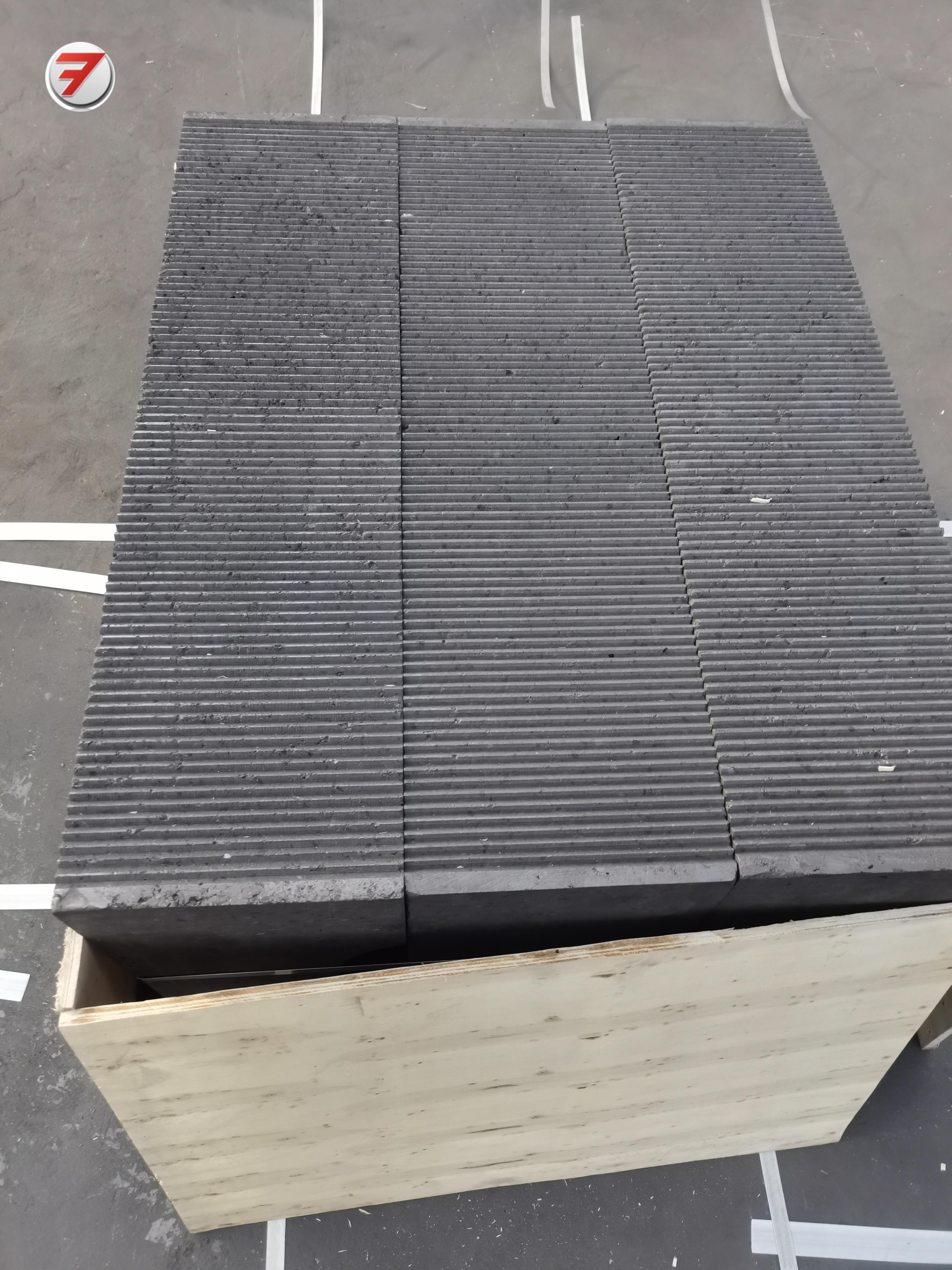
Isostatic Graphite: Essential for Advanced Manufacturing Processes
Table of Contents
- 1. Introduction to Isostatic Graphite
- 2. What is Isostatic Graphite?
- 3. Unique Properties of Isostatic Graphite
- 4. Applications of Isostatic Graphite in Manufacturing
- 5. Advantages of Using Isostatic Graphite in Industrial Processes
- 6. Comparison of Isostatic Graphite with Other Materials
- 7. Sustainability of Isostatic Graphite
- 8. Future Outlook for Isostatic Graphite in Advanced Manufacturing
- 9. Frequently Asked Questions (FAQs)
- 10. Conclusion
1. Introduction to Isostatic Graphite
Isostatic graphite has emerged as a critical material in advanced manufacturing processes. Its unique properties, such as high thermal conductivity, exceptional strength, and excellent resistance to thermal shock, make it an ideal choice for various applications. This article explores the significance of isostatic graphite in the industry, shedding light on its properties, applications, and future prospects.
2. What is Isostatic Graphite?
Isostatic graphite is a type of synthetic graphite manufactured under high pressure and temperature. This process involves subjecting a mixture of graphite powder and a binder to isostatic pressing, resulting in a uniform density material with controlled microstructure. Unlike conventional graphite, isostatic graphite exhibits isotropic properties, meaning it has consistent characteristics in all directions. This unique feature makes it highly suitable for precision applications in advanced manufacturing.
3. Unique Properties of Isostatic Graphite
The properties of isostatic graphite are what set it apart from other materials. Below, we detail some of these key characteristics:
3.1 High Thermal Conductivity
Isostatic graphite possesses excellent thermal conductivity, which allows it to efficiently transfer heat. This property is particularly beneficial in applications such as electrical discharge machining (EDM) and high-temperature furnace components.
3.2 Exceptional Mechanical Strength
The mechanical strength of isostatic graphite is remarkable. Its ability to withstand high stress and strain makes it an ideal choice for components subject to extreme operating conditions, such as aerospace and automotive applications.
3.3 Low Coefficient of Thermal Expansion
With a low coefficient of thermal expansion, isostatic graphite maintains its shape and dimensions even when exposed to significant temperature fluctuations. This stability is crucial for precision manufacturing.
3.4 Chemical Inertness
Isostatic graphite is chemically inert, meaning it does not react with most solvents and gases. This property is vital in environments where chemical exposure is a concern, such as in semiconductor manufacturing.
3.5 Electrical Conductivity
This type of graphite also exhibits good electrical conductivity, making it suitable for applications in the electrical and electronics sectors, including electrodes for electric arc furnaces and batteries.
4. Applications of Isostatic Graphite in Manufacturing
Isostatic graphite finds its way into diverse industries thanks to its unique properties. The following sections explore some of the most significant applications:
4.1 Aerospace Industry
In the aerospace sector, isostatic graphite is used in components that require high strength-to-weight ratios and excellent thermal stability. Applications include turbine blades, heat shields, and structural components.
4.2 Automotive Sector
The automotive industry utilizes isostatic graphite for manufacturing parts that endure high wear and thermal stress, such as brake pads and engine components. Its ability to withstand extreme temperatures enhances vehicle performance.
4.3 Electronics and Semiconductor Manufacturing
Isostatic graphite is essential in the electronics industry for producing high-performance components. It is used in the fabrication of wafers, electrodes, and other critical components in semiconductor processes.
4.4 Energy Sector
The energy sector relies on isostatic graphite for applications such as nuclear reactors and high-temperature furnaces. Its resilience in harsh environments makes it an ideal choice for components that must endure extreme conditions.
4.5 Medical Devices
In medical applications, isostatic graphite is used in imaging equipment and surgical instruments due to its biocompatibility and resistance to sterilization processes.
5. Advantages of Using Isostatic Graphite in Industrial Processes
The advantages of using isostatic graphite in various industrial processes are significant. Here are some of the key benefits:
5.1 Enhanced Performance
Isostatic graphite's unique properties contribute to improved performance in manufacturing processes. Its ability to withstand high temperatures and pressures translates to longer-lasting components and reduced downtime in production.
5.2 Cost Efficiency
While isostatic graphite may come with a higher initial investment, its durability and longevity often lead to overall cost savings in the long run. Fewer replacements and reduced maintenance needs contribute to a more efficient manufacturing process.
5.3 Versatility
The versatility of isostatic graphite allows it to be used in a wide range of applications across multiple industries. Its adaptability makes it a preferred choice for engineers and manufacturers seeking reliable materials.
5.4 Innovation in Design
The isotropic nature of isostatic graphite enables innovative designs that were previously unachievable with traditional materials. This potential for innovation drives the continuous advancement of manufacturing techniques.
6. Comparison of Isostatic Graphite with Other Materials
When comparing isostatic graphite with other materials, its unique properties often make it the superior choice. Key comparisons include:
6.1 vs. Metal Alloys
While metal alloys may offer certain advantages, such as malleability and weldability, isostatic graphite surpasses them in thermal stability and weight efficiency, especially in high-temperature applications.
6.2 vs. Conventional Graphite
Unlike conventional graphite, which may exhibit anisotropic properties, isostatic graphite maintains uniform characteristics. This isotropy ensures consistent performance across applications, making it a preferred choice.
6.3 vs. Ceramics
Ceramics are known for their hardness but can be brittle. Isostatic graphite offers a balance of strength and flexibility, allowing for more resilient components in critical applications.
7. Sustainability of Isostatic Graphite
As industries move toward more sustainable practices, isostatic graphite presents an environmentally friendly option. Its longevity and durability reduce the frequency of replacements, leading to less waste. Additionally, the manufacturing process of isostatic graphite can be optimized to minimize energy consumption, contributing to a lower carbon footprint.
8. Future Outlook for Isostatic Graphite in Advanced Manufacturing
The future of isostatic graphite in advanced manufacturing looks promising. As industries continue to embrace innovation, the demand for high-performance materials will only grow. Ongoing research and development will likely yield new applications and enhancements, solidifying isostatic graphite’s role as a cornerstone in the manufacturing landscape.
9. Frequently Asked Questions (FAQs)
9.1 What industries primarily use isostatic graphite?
Isostatic graphite is predominantly used in industries such as aerospace, automotive, electronics, energy, and medical device manufacturing.
9.2 How is isostatic graphite produced?
Isostatic graphite is produced through a process involving high-pressure and high-temperature isostatic pressing of graphite powder mixed with a binder.
9.3 What are the key benefits of isostatic graphite over traditional graphite?
Key benefits include isotropic properties, superior thermal conductivity, mechanical strength, and chemical inertness, making it ideal for high-performance applications.
9.4 Can isostatic graphite be recycled?
Yes, isostatic graphite can be recycled and repurposed, contributing to more sustainable manufacturing practices.
9.5 What is the future potential of isostatic graphite?
The future of isostatic graphite includes advancements in manufacturing processes, new applications across various industries, and increased emphasis on sustainability.
10. Conclusion
In conclusion, isostatic graphite is an essential material in advanced manufacturing processes, offering a multitude of benefits that enhance performance, efficiency, and sustainability. Its unique properties and versatility have made it a vital component across various industries, paving the way for innovative applications and design possibilities. As we look to the future, isostatic graphite will undoubtedly play a crucial role in shaping the landscape of advanced manufacturing, driving progress and efficiency in ways previously unimagined.
Contact Us
E-mail:
Phone/WhatsApp:
+86 15711363051
Address:
Xingchuang International C912, Xinya Street No.15, Daxing District, Beijing, China



Contact
TEL: +8615711363051
EMAIL: sales@topflymaterial.com
ADD: Xingchuang International C912, Xinya Street No.15, Daxing District, Beijing, China