
Innovations in Graphite Electrode for Sustainable Energy Solutions
Jul 23,2026
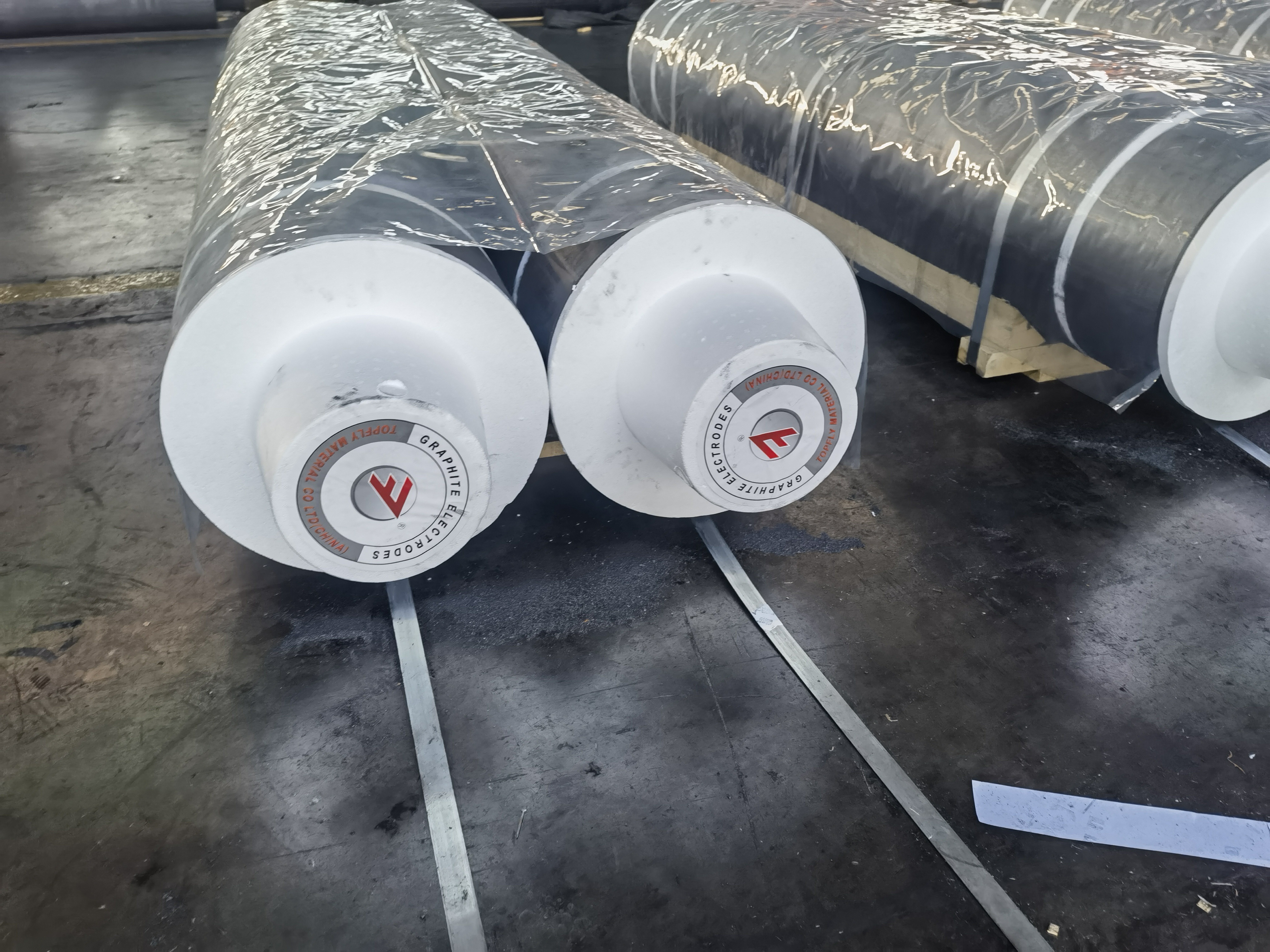
Innovations in Graphite Electrode for Sustainable Energy Solutions
In the rapidly evolving landscape of sustainable energy, innovations in graphite electrode technology are playing a pivotal role. As industries seek to minimize their carbon footprint and enhance energy efficiency, the demand for advanced materials capable of meeting these needs has surged. This article delves into the latest advancements in graphite electrode technology, its crucial applications in energy solutions, and the benefits it brings to the sustainable energy sector.
Table of Contents
- 1. Introduction to Graphite Electrode Technology
- 2. The Importance of Graphite Electrode in Energy Solutions
- 3. Recent Innovations in Graphite Electrode Technology
- 4. Applications of Graphite Electrode in Sustainable Energy
- 5. Benefits of Using Graphite Electrodes for Sustainable Energy
- 6. Environmental Impact of Graphite Electrode Innovations
- 7. The Future of Graphite Electrode Technology in Energy
- 8. Conclusion
- 9. Frequently Asked Questions (FAQs)
1. Introduction to Graphite Electrode Technology
Graphite electrodes are essential components in various industrial processes, particularly in electric arc furnaces (EAFs) used for steelmaking. These electrodes facilitate the transfer of electrical energy needed for smelting and refining metals. However, their role extends far beyond traditional applications. With the increasing focus on renewable energy, advanced graphite electrodes are now integral to energy storage systems and electric vehicle technologies.
2. The Importance of Graphite Electrode in Energy Solutions
Graphite electrodes play a critical role in enhancing energy efficiency and performance in a variety of applications. Their exceptional conductivity, thermal stability, and resistance to oxidation make them a preferred choice in high-temperature applications. As the world transitions towards more sustainable energy solutions, the need for efficient materials that can withstand harsh conditions while ensuring optimal performance becomes paramount.
3. Recent Innovations in Graphite Electrode Technology
Recent advancements in graphite electrode technology include improvements in material composition, manufacturing processes, and surface treatments. These innovations aim to enhance the overall performance, longevity, and environmental sustainability of graphite electrodes.
3.1 Enhanced Material Composition
One of the most significant innovations in graphite electrode technology is the development of composite materials that combine graphite with other elements to improve conductivity and durability. These hybrid materials not only enhance performance in extreme conditions but also reduce the amount of graphite required, leading to a more sustainable production process.
3.2 Advanced Manufacturing Techniques
Innovations in manufacturing techniques, such as additive manufacturing and precision molding, have transformed how graphite electrodes are produced. These advanced methods allow for greater customization and optimization of electrode shapes and sizes, ensuring that they can meet the specific demands of various applications.
3.3 Surface Treatment Innovations
Surface treatments, such as coatings and chemical modifications, have also seen significant advancements. These treatments improve the electrodes' resistance to wear and oxidation, thereby extending their lifespan and reducing the frequency of replacements. This not only lowers operational costs but also minimizes environmental impact.
4. Applications of Graphite Electrode in Sustainable Energy
Graphite electrodes are increasingly being used in several key applications within the sustainable energy sector. Their versatility and reliability make them suitable for a range of technologies, including:
4.1 Electric Vehicles (EVs)
Graphite electrodes are essential in the production of lithium-ion batteries, which power electric vehicles. The unique properties of graphite allow for efficient energy storage and rapid charge/discharge cycles, making it a crucial component in the transition to electric mobility.
4.2 Renewable Energy Storage Systems
In the realm of renewable energy, graphite electrodes play a vital role in energy storage systems, such as those utilizing lithium-ion technology. These systems help balance supply and demand by storing excess energy generated during peak production times for later use.
4.3 Energy Efficient Manufacturing
Graphite electrodes are also utilized in energy-efficient manufacturing processes. Their ability to withstand high temperatures enables their use in various smelting and refining processes that contribute to energy conservation and lower emissions.
5. Benefits of Using Graphite Electrodes for Sustainable Energy
The adoption of innovative graphite electrodes in energy solutions carries numerous benefits, including:
5.1 Improved Energy Efficiency
Innovative graphite electrodes enhance energy efficiency in industrial applications, leading to reduced energy consumption and lower operational costs. Their high conductivity ensures that energy loss is minimized during processes.
5.2 Environmental Sustainability
By utilizing advanced materials and manufacturing techniques, the production of graphite electrodes can be made more sustainable. Reduced waste and lower emissions during their lifecycle contribute positively to environmental sustainability.
5.3 Extended Lifespan
With improvements in material and surface treatments, modern graphite electrodes boast an extended lifespan, resulting in fewer replacements and reduced operational disruptions. This longevity translates to cost savings and lower environmental impact.
6. Environmental Impact of Graphite Electrode Innovations
The environmental impact of graphite electrodes is a critical consideration as industries strive for sustainability. Innovations in graphite electrode technology help mitigate environmental concerns associated with traditional manufacturing processes.
6.1 Reduced Carbon Footprint
By optimizing the production and use of graphite electrodes, companies can significantly reduce their carbon footprint. Enhanced efficiencies lead to lower greenhouse gas emissions, contributing to global climate goals.
6.2 Recycling and Circular Economy
Innovative approaches to recycling graphite electrodes have emerged, promoting a circular economy. By recovering materials from used electrodes, industries can minimize waste and reduce the need for raw material extraction.
7. The Future of Graphite Electrode Technology in Energy
The future of graphite electrode technology is bright, with ongoing research and development aimed at further enhancing their efficiency and sustainability. Emerging technologies, such as nanomaterials and smart electrodes, hold the potential to revolutionize how graphite electrodes are used in energy applications.
7.1 Integration with Smart Technologies
As smart technologies become more prevalent, the integration of smart sensors in graphite electrodes could provide real-time monitoring of performance, allowing for more precise control over energy use and enhancing efficiency further.
7.2 Advancements in Material Science
Continued advancements in material science will likely lead to the development of new composite materials that offer even greater performance benefits. These innovations will support the ongoing transition to sustainable energy solutions.
8. Conclusion
Innovations in graphite electrode technology are at the forefront of enabling sustainable energy solutions. By enhancing energy efficiency, reducing environmental impacts, and supporting diverse applications within the renewable energy sector, these advancements are crucial for a sustainable future. As research continues and new technologies emerge, the role of graphite electrodes will only grow, reinforcing their position as vital components in the global transition to clean energy.
9. Frequently Asked Questions (FAQs)
FAQ 1: What are graphite electrodes used for?
Graphite electrodes are primarily used in electric arc furnaces for steelmaking, but they are also essential in lithium-ion batteries for electric vehicles and renewable energy storage systems.
FAQ 2: How do innovations in graphite electrodes contribute to sustainability?
Innovations lead to enhanced energy efficiency, reduced carbon footprint, and extended lifespans, contributing to overall sustainability in various industrial applications.
FAQ 3: What are the benefits of using advanced graphite electrode materials?
Advanced materials improve conductivity, durability, and resistance to oxidation, resulting in lower operational costs and reduced environmental impact.
FAQ 4: Can graphite electrodes be recycled?
Yes, recycling graphite electrodes is becoming more common, promoting a circular economy by recovering valuable materials and reducing waste.
FAQ 5: What does the future hold for graphite electrode technology?
The future includes potential advancements in smart technologies and materials science, leading to even greater efficiencies and sustainability in energy applications.
Contact Us
E-mail:
Phone/WhatsApp:
+86 15711363051
Address:
Xingchuang International C912, Xinya Street No.15, Daxing District, Beijing, China



Contact
TEL: +8615711363051
EMAIL: sales@topflymaterial.com
ADD: Xingchuang International C912, Xinya Street No.15, Daxing District, Beijing, China