
Exploring the Cost-Effectiveness of Graphite Boats in Industry
Jul 21,2026
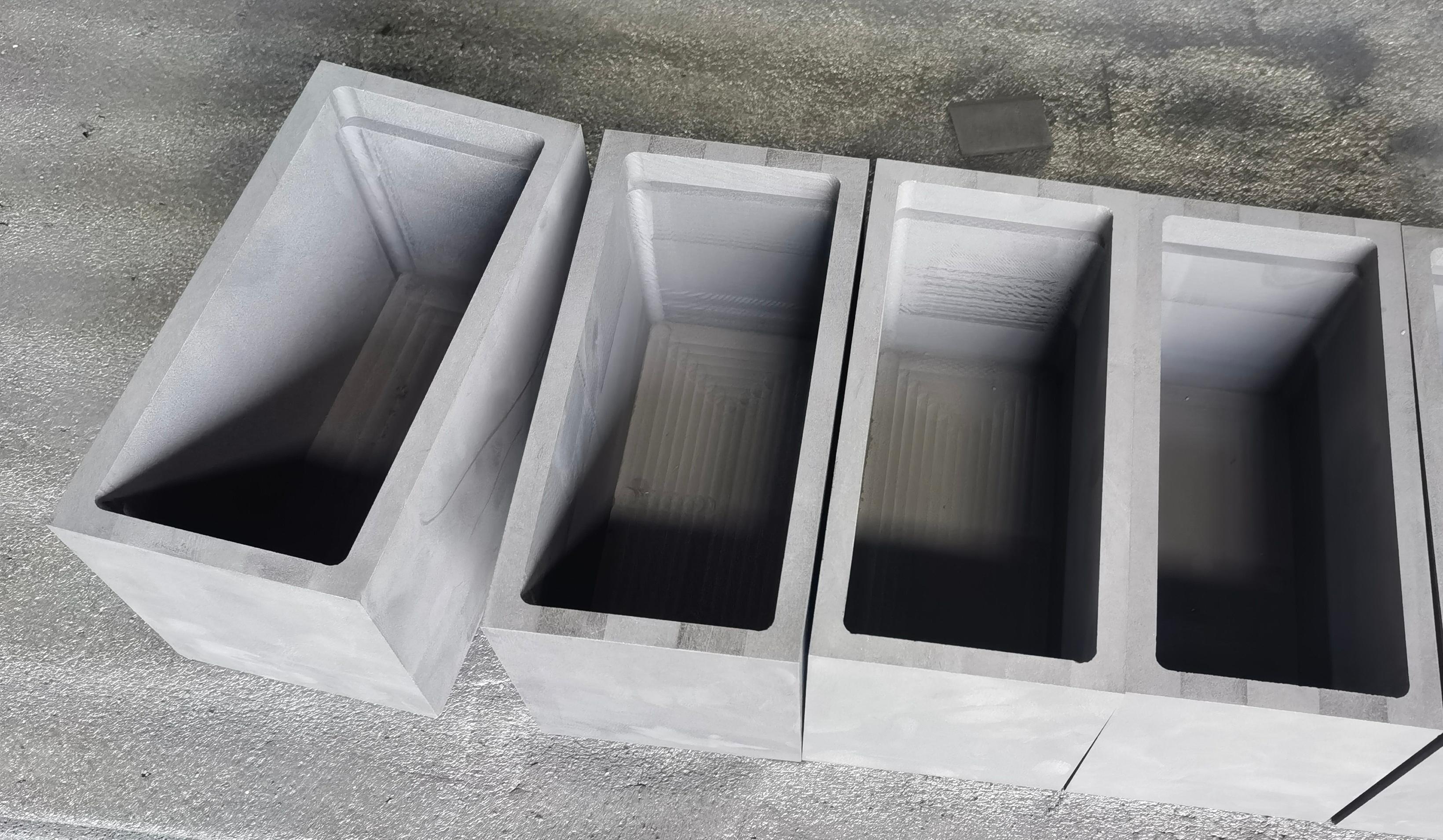
Exploring the Cost-Effectiveness of Graphite Boats in Industry
Table of Contents
- Introduction to Graphite Boats
- The Benefits of Using Graphite Boats
- Applications of Graphite Boats in Various Industries
- Understanding the Cost-Effectiveness of Graphite Boats
- Graphite Boats vs. Alternative Materials
- Sustainability and Environmental Impact
- Future Trends in Graphite Boat Manufacturing
- Frequently Asked Questions
- Conclusion
Introduction to Graphite Boats
In the industrial sector, graphite boats are increasingly recognized for their unique properties and cost advantages. These products, primarily made from high-purity graphite, are engineered to withstand extreme conditions typically encountered in processes such as metal casting, sintering, and high-temperature treatment. With a growing demand for efficient and reliable materials, understanding the role and benefits of graphite boats becomes crucial for industries looking to optimize their operations.
The Benefits of Using Graphite Boats
Graphite boats offer several remarkable benefits that make them a preferred choice in various industrial applications:
1. High Thermal Conductivity
One of the standout features of graphite is its superior thermal conductivity. This property ensures even heat distribution during processes, reducing the risk of thermal shock and improving product quality.
2. Chemical Resistance
Graphite boats exhibit excellent resistance to many corrosive substances, making them ideal for applications where exposure to harsh chemicals is common. This durability translates to longer service life and lower replacement costs.
3. Lightweight and Easy to Handle
Compared to metal alternatives, graphite boats are considerably lighter. This feature not only aids in ease of handling but also reduces operational strain during transport and installation.
4. Customizability
Manufacturers can tailor graphite boats to specific dimensions and configurations, allowing for customized solutions that meet the precise needs of various processes.
Applications of Graphite Boats in Various Industries
Graphite boats are utilized across a multitude of sectors, showcasing their versatility and effectiveness:
1. Metallurgy
In the metallurgy industry, graphite boats are primarily used for casting metals. Their ability to withstand high temperatures and resist oxidation makes them perfect for holding molten materials.
2. Semiconductor Manufacturing
Graphite boats are crucial in the semiconductor sector for thermal treatments and vapor deposition processes. Their high purity and thermal stability contribute to the quality of semiconductor wafers.
3. Aerospace
The aerospace industry employs graphite boats in the manufacturing of components that require high precision and durability, especially in situations subjected to extreme thermal cycles.
4. Energy Production
Graphite boats are essential in energy production, especially in applications involving high-temperature fuel cells and batteries, where efficiency and longevity are vital.
Understanding the Cost-Effectiveness of Graphite Boats
When evaluating the cost-effectiveness of graphite boats, several key factors come into play:
1. Initial Investment vs. Long-Term Savings
While the initial cost of graphite boats may be higher than some alternative materials, the long-term savings through reduced maintenance, replacement, and operational efficiency often outweigh these upfront expenses.
2. Reduced Downtime
Due to their durability and resistance to wear and tear, graphite boats result in fewer breakdowns and less downtime during production runs, directly impacting the bottom line.
3. Enhanced Production Efficiency
The thermal properties of graphite boats contribute to faster heating and cooling cycles in processes, enabling higher production rates and thus improving profitability.
Graphite Boats vs. Alternative Materials
Choosing the right material for industrial applications often involves comparing graphite boats with alternatives such as metals and ceramics. Here’s a breakdown:
1. Graphite vs. Metals
While metals like steel and aluminum may offer strength, they lack the thermal stability and chemical resistance that graphite provides. Graphite boats also weigh significantly less, easing handling and transportation.
2. Graphite vs. Ceramics
Ceramics can withstand high temperatures, but they are often brittle and prone to cracking. In contrast, graphite boats exhibit flexibility under stress, making them less likely to fail during high-stress operations.
Sustainability and Environmental Impact
The push for sustainable practices in industry has brought graphite boats into the spotlight. Not only do they promote energy efficiency through their thermal properties, but their longer lifespan also reduces material waste. Furthermore, many manufacturers are now adopting eco-friendly processes for producing graphite boats, minimizing the environmental footprint.
Future Trends in Graphite Boat Manufacturing
The future of graphite boats is promising, with several trends emerging that may further enhance their cost-effectiveness and utility:
1. Advanced Production Techniques
Innovations in manufacturing technologies are expected to improve the precision and quality of graphite boats, leading to better performance and reduced waste during production.
2. Integration with Smart Technology
As industries move towards automation, integrating smart technology into graphite boat applications could provide real-time data analytics for performance optimization and predictive maintenance.
Frequently Asked Questions
1. What are graphite boats used for?
Graphite boats are primarily used in high-temperature applications such as metal casting, semiconductor manufacturing, and thermal treatments in various industries.
2. How durable are graphite boats?
Graphite boats are highly durable and resistant to thermal shock and chemical corrosion, making them suitable for demanding industrial environments.
3. Are graphite boats cost-effective?
Yes, while the initial investment may be higher, their longevity, reduced maintenance costs, and efficiency in production processes often result in substantial long-term savings.
4. Can graphite boats be customized?
Yes, manufacturers can tailor graphite boats to specific dimensions and configurations to meet the unique requirements of different processes.
5. What is the environmental impact of using graphite boats?
Graphite boats contribute to sustainability by enhancing energy efficiency, reducing material waste, and minimizing the environmental footprint of production processes.
Conclusion
The exploration of graphite boats reveals their significant potential to enhance cost-effectiveness across various industries. With their unique properties, broad applications, and sustainability advantages, graphite boats are not just an alternative but a superior choice for many industrial processes. As the demand for efficient and reliable materials continues to grow, understanding the benefits and implications of using graphite boats will be critical for businesses aiming to stay competitive in the evolving industrial landscape.
Contact Us
E-mail:
Phone/WhatsApp:
+86 15711363051
Address:
Xingchuang International C912, Xinya Street No.15, Daxing District, Beijing, China



Contact
TEL: +8615711363051
EMAIL: sales@topflymaterial.com
ADD: Xingchuang International C912, Xinya Street No.15, Daxing District, Beijing, China