
How High Purity Graphite is Revolutionizing Battery Technology
Jul 15,2026
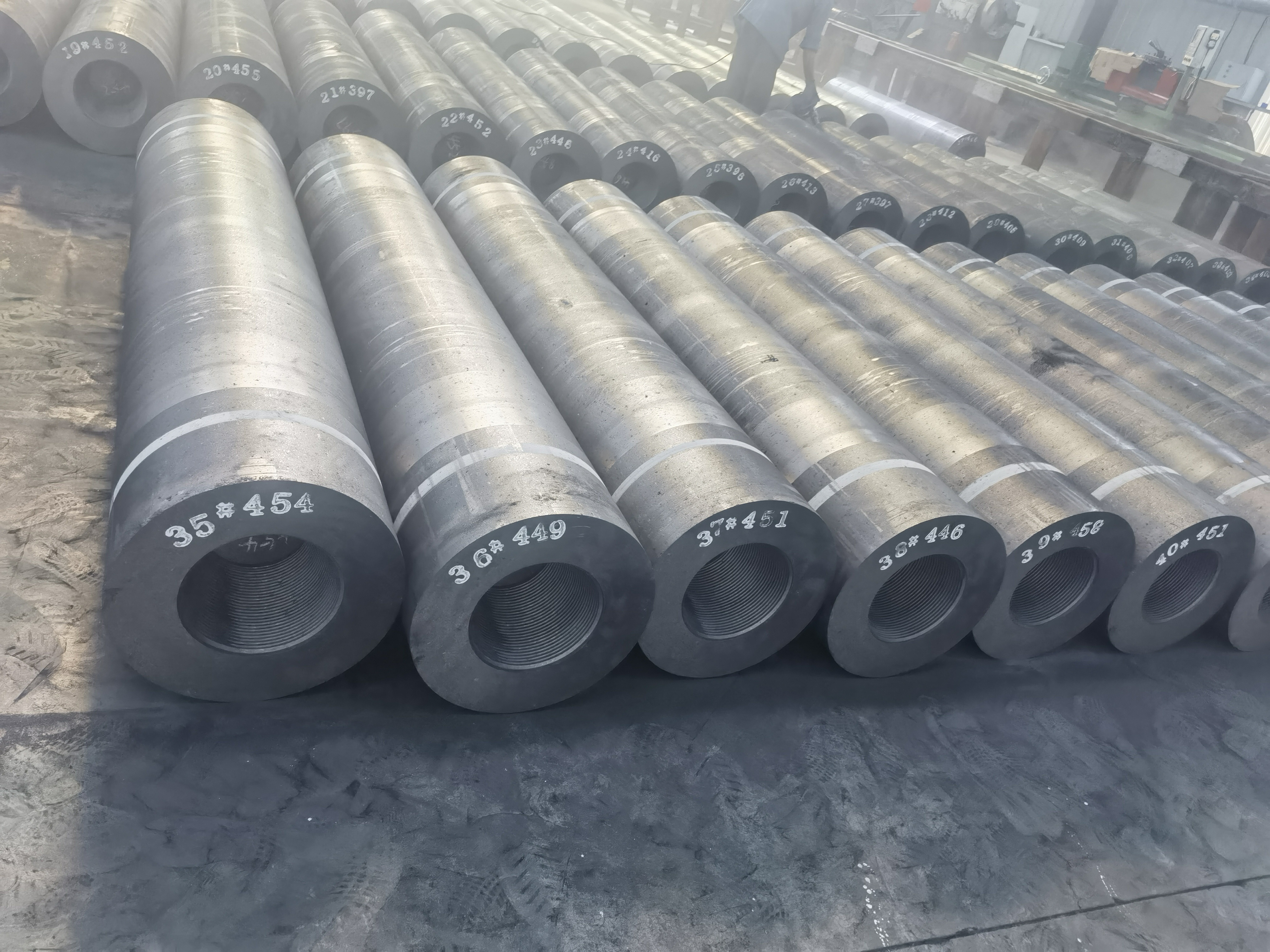
How High Purity Graphite is Revolutionizing Battery Technology
In recent years, the demand for more efficient and sustainable battery technologies has surged, particularly with the rise of electric vehicles (EVs) and renewable energy systems. At the forefront of this transformation is high purity graphite, a material that has emerged as a game-changer in the energy storage sector. In this comprehensive article, we delve into the unique properties of high purity graphite, its applications in battery technology, and its critical role in shaping the future of energy storage solutions.
Table of Contents
- What is High Purity Graphite?
- Properties of High Purity Graphite
- The Importance of High Purity Graphite in Batteries
- High Purity Graphite in Lithium-Ion Batteries
- Other Applications of High Purity Graphite
- The Future of Battery Technology
- Challenges and Solutions in High Purity Graphite Production
- Conclusion
What is High Purity Graphite?
High purity graphite is a refined form of graphite that boasts a carbon content of over 99.9%. This exceptional level of purity significantly enhances its performance and makes it highly desirable for various industrial applications, especially in battery technology. Unlike conventional graphite, which may contain impurities that can hinder performance, high purity graphite is processed to eliminate contaminants, ensuring optimal conductivity and electrochemical properties.
Properties of High Purity Graphite
The unique properties of high purity graphite make it an ideal candidate for batteries. Some of the key characteristics include:
1. Excellent Electrical Conductivity
High purity graphite exhibits remarkable electrical conductivity, allowing for efficient electron flow. This property is crucial in battery applications, where rapid charge and discharge cycles are essential for performance.
2. Thermal Stability
With a high melting point and excellent thermal stability, high purity graphite can withstand extreme temperatures without degrading. This capability is vital for batteries used in high-performance applications, such as electric vehicles and energy storage systems.
3. Chemically Inert
High purity graphite is chemically inert, meaning it does not easily react with other substances. This property reduces the risk of unwanted chemical reactions within batteries, enhancing their safety and longevity.
4. Lightweight
High purity graphite is lightweight, making it an advantageous choice for applications where reducing weight is critical, such as in electric vehicles and portable electronic devices.
The Importance of High Purity Graphite in Batteries
High purity graphite plays a pivotal role in the performance and efficiency of various types of batteries, particularly lithium-ion batteries. Its integration into battery technology is transforming how energy is stored and utilized.
1. Enhancing Battery Performance
By utilizing high purity graphite as an anode material, battery manufacturers can significantly improve overall performance. The enhanced conductivity and thermal stability lead to faster charging times, increased energy density, and extended cycle life. These improvements are crucial for meeting the growing demands of consumers and industries alike.
2. Supporting Renewable Energy Storage
The transition to renewable energy sources, such as solar and wind, necessitates efficient energy storage solutions. High purity graphite batteries offer a reliable means of storing excess energy generated during peak production times, ensuring a consistent power supply during low production periods.
High Purity Graphite in Lithium-Ion Batteries
Lithium-ion batteries are currently the most widely used energy storage technology, particularly in electric vehicles and portable electronics. High purity graphite serves as a key component in these batteries, enhancing their efficiency and performance.
1. Role of High Purity Graphite in Anodes
In lithium-ion batteries, high purity graphite is primarily used in the anode. During the charging process, lithium ions intercalate between the layers of graphite, allowing for efficient energy storage. The high purity of the graphite ensures minimal resistance and maximizes the number of lithium ions that can be stored, directly impacting the battery's capacity and lifespan.
2. Innovations in Graphite Sourcing
As demand for lithium-ion batteries continues to rise, so does the need for high purity graphite. Innovations in sourcing and refining processes are being developed to ensure a steady supply of this essential material. Sustainable mining practices and recycling efforts are also being explored to reduce the environmental impact of graphite production.
Other Applications of High Purity Graphite
While high purity graphite is primarily recognized for its role in battery technology, it also has numerous other applications across various industries:
1. Electronics
In the electronics industry, high purity graphite is used in the manufacturing of components such as heat sinks and conductive coatings. Its excellent thermal and electrical properties make it an ideal choice for enhancing the performance and reliability of electronic devices.
2. Lubricants
High purity graphite is utilized in producing high-performance lubricants due to its low friction properties. These lubricants are essential in various mechanical applications, ensuring smooth operation and reducing wear and tear.
3. Nuclear Industry
In the nuclear industry, high purity graphite is employed as a moderator in nuclear reactors. Its ability to slow down neutrons while maintaining structural integrity under extreme conditions makes it invaluable for safe and efficient nuclear energy generation.
The Future of Battery Technology
As technology continues to evolve, the future of battery technology looks promising, with high purity graphite leading the way. Researchers and manufacturers are exploring new methodologies to enhance battery performance, safety, and sustainability.
1. Solid-State Batteries
Solid-state batteries represent the next frontier in energy storage, offering higher energy densities and improved safety. High purity graphite is expected to play a critical role in the development of these advanced battery systems, particularly in creating efficient anodes.
2. Graphene-Based Technologies
Graphene, a single layer of carbon atoms arranged in a two-dimensional lattice, is gaining attention for its potential to revolutionize battery technology. High purity graphite serves as a precursor for graphene production, and ongoing research aims to incorporate graphene into battery designs for unprecedented performance enhancements.
Challenges and Solutions in High Purity Graphite Production
Despite its advantages, the production of high purity graphite faces several challenges:
1. Environmental Impact
The mining and processing of graphite can lead to significant environmental damage, including habitat destruction and pollution. As such, industries are increasingly focused on implementing sustainable practices, such as recycling and responsible sourcing, to mitigate these impacts.
2. Supply Chain Vulnerabilities
Global supply chain disruptions can affect the availability of high purity graphite, impacting battery production. To counter this challenge, companies are diversifying their supply chains and investing in domestic sources of graphite to ensure a stable supply.
Conclusion
High purity graphite is revolutionizing battery technology, offering enhanced performance, efficiency, and sustainability. As we continue to embrace electric vehicles and renewable energy systems, the importance of high purity graphite will only grow. By addressing challenges in production and exploring innovative applications, we can harness the full potential of this remarkable material, paving the way for a cleaner, more efficient energy future.
FAQs
1. What is high purity graphite used for in batteries?
High purity graphite is primarily used as an anode material in lithium-ion batteries, improving energy storage capacity and efficiency.
2. How does high purity graphite improve battery performance?
Its excellent electrical conductivity, thermal stability, and chemically inert nature enhance charging times, energy density, and overall battery lifespan.
3. Are there environmental concerns related to high purity graphite production?
Yes, mining and processing can cause environmental damage. However, sustainable practices and recycling efforts are being developed to mitigate these impacts.
4. What are the future trends in battery technology involving high purity graphite?
Future trends include the development of solid-state batteries and graphene-based technologies, which aim to further enhance battery performance and safety.
5. Can high purity graphite be recycled?
Yes, recycling processes are being explored to reclaim high purity graphite from used batteries, aiming to reduce the environmental impact and ensure a sustainable supply.
Contact Us
E-mail:
Phone/WhatsApp:
+86 15711363051
Address:
Xingchuang International C912, Xinya Street No.15, Daxing District, Beijing, China



Contact
TEL: +8615711363051
EMAIL: sales@topflymaterial.com
ADD: Xingchuang International C912, Xinya Street No.15, Daxing District, Beijing, China