
Why Graphite Blocks Are Essential in Energy Production: Unveiling the Key Role of Graphite in Modern Energy Solutions
Jul 13,2026
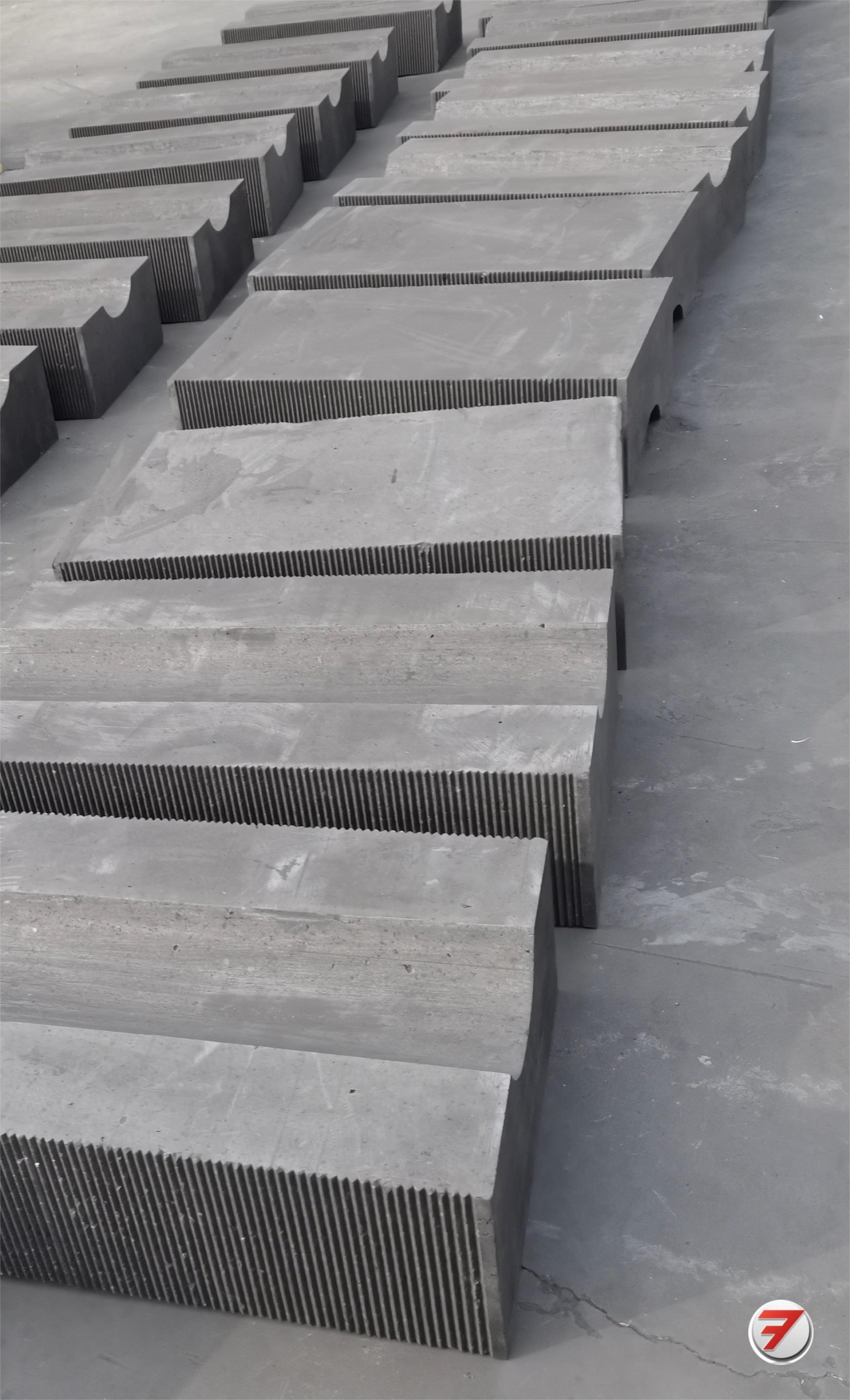
Why Graphite Blocks Are Essential in Energy Production
Energy production is undergoing a significant transformation, driven by the need for sustainable and efficient solutions. Among various materials that play a crucial role in this evolution, graphite blocks stand out due to their unique properties and versatile applications. This article delves deep into the reasons why graphite blocks are essential in energy production, shedding light on their applications, benefits, and future prospects.
Understanding Graphite: A Non-Metallic Marvel
Graphite is a naturally occurring form of carbon that is known for its exceptional properties, including high thermal conductivity, electrical conductivity, and resistance to heat and chemical degradation. These characteristics make graphite a sought-after material in various industries, especially in energy production.
The Unique Properties of Graphite
Graphite exhibits several unique properties that contribute to its utility in energy applications:
1. **High Electrical Conductivity**: Graphite's ability to conduct electricity efficiently is pivotal for applications in batteries and fuel cells.
2. **Superior Thermal Conductivity**: Its high thermal conductivity allows for effective heat dissipation, essential in energy generation systems.
3. **Chemical Stability**: Graphite's resistance to chemical reactions makes it suitable for use in harsh environments.
4. **Mechanical Strength**: The structural integrity of graphite blocks enables them to withstand high pressures and temperatures, making them ideal for various applications in energy production.
The Role of Graphite Blocks in Energy Production
Graphite blocks are integral to several energy production processes. Their applications range from enhancing battery performance to facilitating nuclear energy generation. Below, we explore some of the primary roles graphite blocks play in the energy sector.
1. Enhancing Battery Technology
One of the most significant applications of graphite blocks is in the field of battery technology, particularly in lithium-ion batteries. These batteries power everything from electric vehicles to portable electronics. Graphite serves as the anode material, contributing to the battery's capacity, longevity, and efficiency.
The Advantages of Graphite in Batteries
- **Increased Energy Density**: Graphite anodes facilitate high energy density, allowing batteries to store more energy in a compact form.
- **Rapid Charge and Discharge Rates**: The conductivity of graphite enables faster charging and discharging cycles, crucial for modern energy demands.
- **Cycle Stability**: Graphite enhances the longevity of batteries, reducing the frequency of replacements and promoting sustainability.
2. Fuel Cell Applications
Fuel cells are another area where graphite blocks play an essential role. These devices convert chemical energy directly into electrical energy through electrochemical reactions, and graphite acts as a critical component in both the anode and cathode.
Benefits of Graphite in Fuel Cells
- **Efficient Conductivity**: Graphite’s high conductivity promotes efficient energy conversion, enhancing overall fuel cell performance.
- **Durability**: The chemical stability of graphite allows fuel cells to operate effectively in various environments, extending their operational life.
- **Cost-Effectiveness**: Compared to other materials, graphite provides a more economical solution without compromising performance.
3. Nuclear Energy Production
In the realm of nuclear energy, graphite blocks serve as moderator materials in certain reactor designs. They slow down neutrons, enhancing the probability of fission reactions and enabling sustained energy production.
The Importance of Graphite in Nuclear Reactors
- **Temperature Resistance**: Graphite can withstand the high temperatures generated in nuclear reactors, ensuring safe and efficient operation.
- **Neutron Moderation**: Its ability to slow down neutrons is critical for maintaining the nuclear chain reaction necessary for energy generation.
- **Structural Integrity**: Graphite blocks provide the necessary structural support within reactors, contributing to safety and efficiency.
Graphite in Renewable Energy Technologies
As the world shifts towards renewable energy sources, graphite's role becomes even more significant. It is integral to several technologies that harness renewable energy efficiently.
1. Solar Energy Systems
Graphite is used in photovoltaic cells and solar thermal systems, enhancing energy absorption and conversion efficiency.
Benefits of Graphite in Solar Applications
- **Improved Conductivity**: Graphite components in solar panels improve electrical conductivity, maximizing energy transfer.
- **Durability in Harsh Environments**: Graphite’s resistance to environmental degradation ensures longer lifespan for solar energy systems.
2. Wind Energy Systems
In wind energy applications, graphite is utilized in the construction of high-performance composites used for turbine blades. This contributes to efficiency and longevity.
Advantages of Graphite in Wind Energy
- **Lightweight and Strong**: The use of graphite in composites achieves lightweight structures without sacrificing strength.
- **Increased Efficiency**: Enhanced aerodynamics of turbine blades made with graphite composites can lead to more effective energy capture.
Challenges and Considerations in Graphite Use
Despite the numerous benefits of graphite blocks in energy production, several challenges need to be addressed.
1. Supply Chain Issues
The sourcing of graphite, particularly high-quality natural graphite, can be a concern. As demand for graphite increases, ensuring a stable supply chain becomes critical.
2. Environmental Impact
Mining graphite can have significant environmental impacts if not managed responsibly. Sustainable practices are crucial to mitigate these effects.
3. Advancements in Synthetic Graphite
While natural graphite is valuable, advancements in synthetic graphite production are gaining traction. Synthetic graphite offers consistency in quality but requires careful consideration regarding the energy input for its production.
The Future of Graphite in Energy Production
The future of graphite blocks in energy production looks promising as technology continues to evolve. Innovations in battery technology, fuel cells, and renewable energy systems are likely to increase the demand for high-quality graphite.
1. Research and Development
Ongoing research in material science is expected to unlock new potential applications for graphite. Innovations in hybrid batteries, solid-state batteries, and advanced nuclear reactors could redefine its role in energy production.
2. Sustainable Sourcing Practices
The energy sector is increasingly focused on sustainability. The future will likely see a rise in responsible sourcing practices for graphite, ensuring minimal environmental impact while meeting growing demand.
3. Integration with Emerging Technologies
Graphite’s integration with emerging technologies, such as artificial intelligence in energy management systems and advancements in smart grid technologies, will further enhance its utility in modern energy solutions.
Frequently Asked Questions (FAQs)
1. What are graphite blocks made of?
Graphite blocks are primarily composed of carbon, derived from natural sources or synthesized through various processes. They are structured to enhance electrical and thermal conductivity.
2. How do graphite blocks contribute to energy storage?
Graphite blocks are used in battery anodes to enhance energy density, allowing batteries to store and deliver more power efficiently.
3. Are there environmental concerns associated with graphite mining?
Yes, mining graphite can impact the environment. Sustainable practices are essential to minimize ecological damage during extraction.
4. What industries use graphite blocks besides energy production?
Graphite blocks are used in various industries, including aerospace, electronics, lubricants, and construction, due to their unique properties.
5. How does graphite improve the safety of nuclear reactors?
Graphite acts as a neutron moderator in certain reactor designs, which helps maintain the nuclear chain reaction while withstanding high temperatures, enhancing overall safety.
Conclusion
In conclusion, graphite blocks play an indispensable role in modern energy production, offering a unique combination of properties that enhance efficiency, durability, and safety across various applications. From improving battery technology to facilitating nuclear energy generation and supporting renewable energy systems, graphite's versatility positions it as a cornerstone of sustainable energy solutions. As the energy landscape continues to evolve, the importance of graphite will undoubtedly grow, driving innovation and paving the way for a more sustainable future.
Contact Us
E-mail:
Phone/WhatsApp:
+86 15711363051
Address:
Xingchuang International C912, Xinya Street No.15, Daxing District, Beijing, China



Contact
TEL: +8615711363051
EMAIL: sales@topflymaterial.com
ADD: Xingchuang International C912, Xinya Street No.15, Daxing District, Beijing, China