
Understanding the Properties of Isostatic Graphite: Why It Matters for Modern Applications
Jul 11,2026
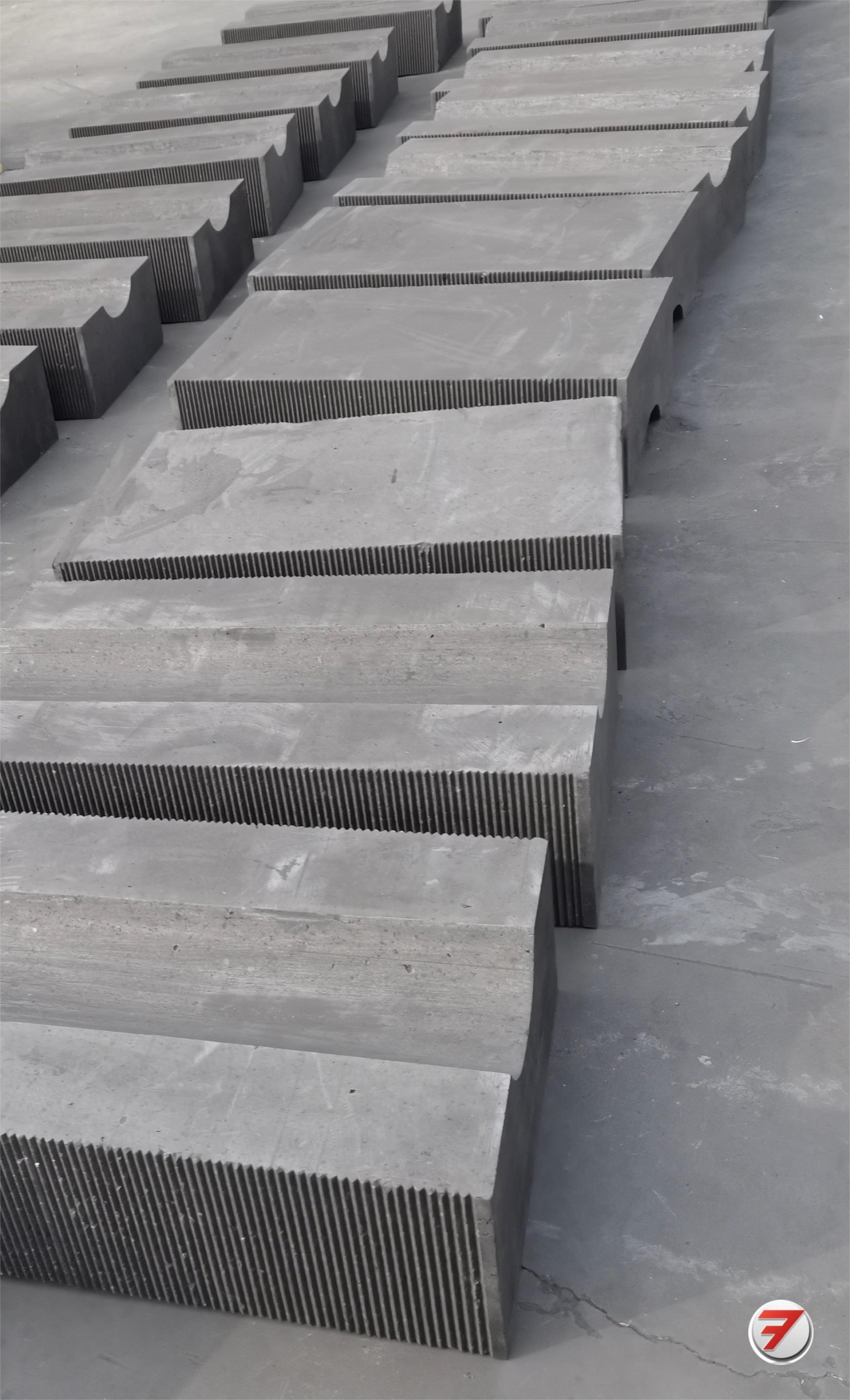
Understanding the Properties of Isostatic Graphite: Why It Matters for Modern Applications
Table of Contents
- Introduction to Isostatic Graphite
- What Is Isostatic Graphite?
- The Manufacturing Process of Isostatic Graphite
- Key Properties of Isostatic Graphite
- High Thermal Conductivity
- Excellent Electrical Conductivity
- Superior Mechanical Strength
- Low Thermal Expansion
- Applications of Isostatic Graphite in Various Industries
- Aerospace Applications
- Energy Sector Utilization
- Role in Electronics
- Automotive Industry Applications
- Benefits of Using Isostatic Graphite in Manufacturing
- Future Trends in Isostatic Graphite Development
- Conclusion
- FAQs
Introduction to Isostatic Graphite
Isostatic graphite stands out as a material that combines remarkable properties with diverse applications. In an era where technological advancement is paramount, understanding this specialized form of graphite is essential for industry professionals and businesses alike. From aerospace to electronics, isostatic graphite is changing the landscape of material science.
What Is Isostatic Graphite?
Isostatic graphite is a type of graphite that is produced through the isostatic pressing method. This technique applies uniform pressure in all directions, allowing for an even and consistent density throughout the material. The result is graphite that exhibits superior properties compared to conventional graphite forms, making it suitable for a range of high-performance applications.
The Manufacturing Process of Isostatic Graphite
The manufacturing of isostatic graphite involves several critical steps, which are essential in determining its properties and quality.
1. **Raw Material Selection**: The process begins with the selection of high-quality graphite powder. This powder is crucial, as the purity and particle size will ultimately influence the final product’s characteristics.
2. **Isostatic Pressing**: The selected graphite powder is subjected to isostatic pressing. In this method, the powder is placed in a flexible mold and exposed to a high-pressure fluid, which applies pressure uniformly from all directions. This ensures that the graphite achieves a consistent density and structure.
3. **Sintering Process**: After the pressing, the pre-formed graphite is subjected to a sintering process at high temperatures. This process helps to bond the particles together and enhances the material's strength.
4. **Machining and Finishing**: Once sintered, the isostatic graphite is machined to the desired specifications. This step may include shaping, polishing, and surface treatments, all of which enhance its performance characteristics.
Key Properties of Isostatic Graphite
Isostatic graphite possesses a set of unique properties that distinguish it from other forms of graphite. Understanding these properties is vital for recognizing its advantages in various applications.
High Thermal Conductivity
One of the standout features of isostatic graphite is its high thermal conductivity. This property makes it an excellent choice for applications that require efficient heat dissipation, such as in aerospace components and electronic devices.
Excellent Electrical Conductivity
In addition to thermal conductivity, isostatic graphite exhibits remarkable electrical conductivity. This characteristic is highly sought after in the production of electrodes and other electrical components, where maintaining consistent performance is essential.
Superior Mechanical Strength
Isostatic graphite is known for its superior mechanical strength. The isostatic pressing process allows for a denser material that can withstand significant stress without deformation. This strength ensures reliability in high-stress environments.
Low Thermal Expansion
Low thermal expansion is another beneficial property of isostatic graphite. This attribute minimizes dimensional changes during temperature fluctuations, making it ideal for precision applications in various industries.
Applications of Isostatic Graphite in Various Industries
The versatility of isostatic graphite allows it to be utilized in multiple industries. Its unique properties make it indispensable in a variety of applications.
Aerospace Applications
In the aerospace industry, isostatic graphite is utilized for components such as heat shields, nozzle throats, and other critical parts due to its high-temperature resistance and lightweight nature. The material’s ability to withstand extreme conditions ensures the safety and efficiency of aerial vehicles.
Energy Sector Utilization
Isostatic graphite plays a crucial role in the energy sector, particularly in nuclear reactors, where it is used as a moderator or structural material. Its exceptional thermal and electrical properties contribute to more efficient energy production processes.
Role in Electronics
In the electronics field, isostatic graphite is used in the manufacturing of electrodes for batteries and capacitors. Its high electrical conductivity enhances the performance and durability of electronic devices, making it a favored material among manufacturers.
Automotive Industry Applications
The automotive industry also benefits from isostatic graphite, particularly in the production of brake pads and other friction materials. Its mechanical strength and thermal stability ensure safety and reliability in automotive applications.
Benefits of Using Isostatic Graphite in Manufacturing
The adoption of isostatic graphite in manufacturing offers several advantages that can significantly enhance productivity and efficiency.
1. **Enhanced Durability**: With its superior mechanical properties, isostatic graphite parts are less prone to wear and tear, leading to longer service life and reduced maintenance costs.
2. **Increased Efficiency**: High thermal and electrical conductivities enable faster operation times and improved performance in devices, positively affecting overall productivity.
3. **Design Flexibility**: The ability to machine isostatic graphite into complex shapes allows for greater design freedom in engineering applications.
4. **Cost-Effectiveness**: Although the initial investment in isostatic graphite may be higher, the long-term savings through reduced downtime and maintenance make it a cost-effective choice.
Future Trends in Isostatic Graphite Development
As industries continue to evolve, the demand for advanced materials like isostatic graphite is expected to grow. Future trends may include:
1. **Sustainable Manufacturing**: The development of eco-friendly manufacturing processes is likely to become a focus, addressing environmental concerns associated with traditional graphite sourcing.
2. **Nano-Graphite Innovations**: Research into nano-graphite could enhance the properties of isostatic graphite, leading to even more advanced applications in fields such as nanotechnology.
3. **Smart Materials**: The integration of smart technology with isostatic graphite may open new doors in electronics and aerospace, leading to more intelligent and responsive materials.
Conclusion
Understanding the properties of isostatic graphite is essential for professionals across various industries. Its unique combination of high thermal and electrical conductivities, mechanical strength, and low thermal expansion makes it a vital material in today's technological landscape. As we look to the future, ongoing innovations in isostatic graphite will continue to expand its applications and significance in advanced manufacturing, energy, aerospace, and electronics.
FAQs
1. What is the main advantage of using isostatic graphite over regular graphite?
The main advantage of isostatic graphite is its uniform density and superior mechanical properties, which result from the isostatic pressing process, making it more suitable for high-performance applications.
2. How is isostatic graphite produced?
Isostatic graphite is produced through isostatic pressing, where high pressure is applied uniformly to graphite powder, followed by a sintering process to enhance its strength and integrity.
3. In which industries is isostatic graphite commonly used?
Isostatic graphite is commonly used in aerospace, energy, electronics, and automotive industries, primarily for components requiring high thermal and electrical conductivity.
4. Can isostatic graphite be recycled?
Yes, isostatic graphite can be recycled, and advancements in recycling technologies are being researched to better recover graphite from used components.
5. What future developments can we expect in the field of isostatic graphite?
Future developments may focus on sustainable manufacturing practices, innovations in nano-graphite, and the integration of smart materials to enhance the functionality and application range of isostatic graphite.
PREVIOUS:
Contact Us
E-mail:
Phone/WhatsApp:
+86 15711363051
Address:
Xingchuang International C912, Xinya Street No.15, Daxing District, Beijing, China



Contact
TEL: +8615711363051
EMAIL: sales@topflymaterial.com
ADD: Xingchuang International C912, Xinya Street No.15, Daxing District, Beijing, China