
Graphite Electrode Maintenance: Essential Tips for Maximizing Longevity
Jul 09,2026
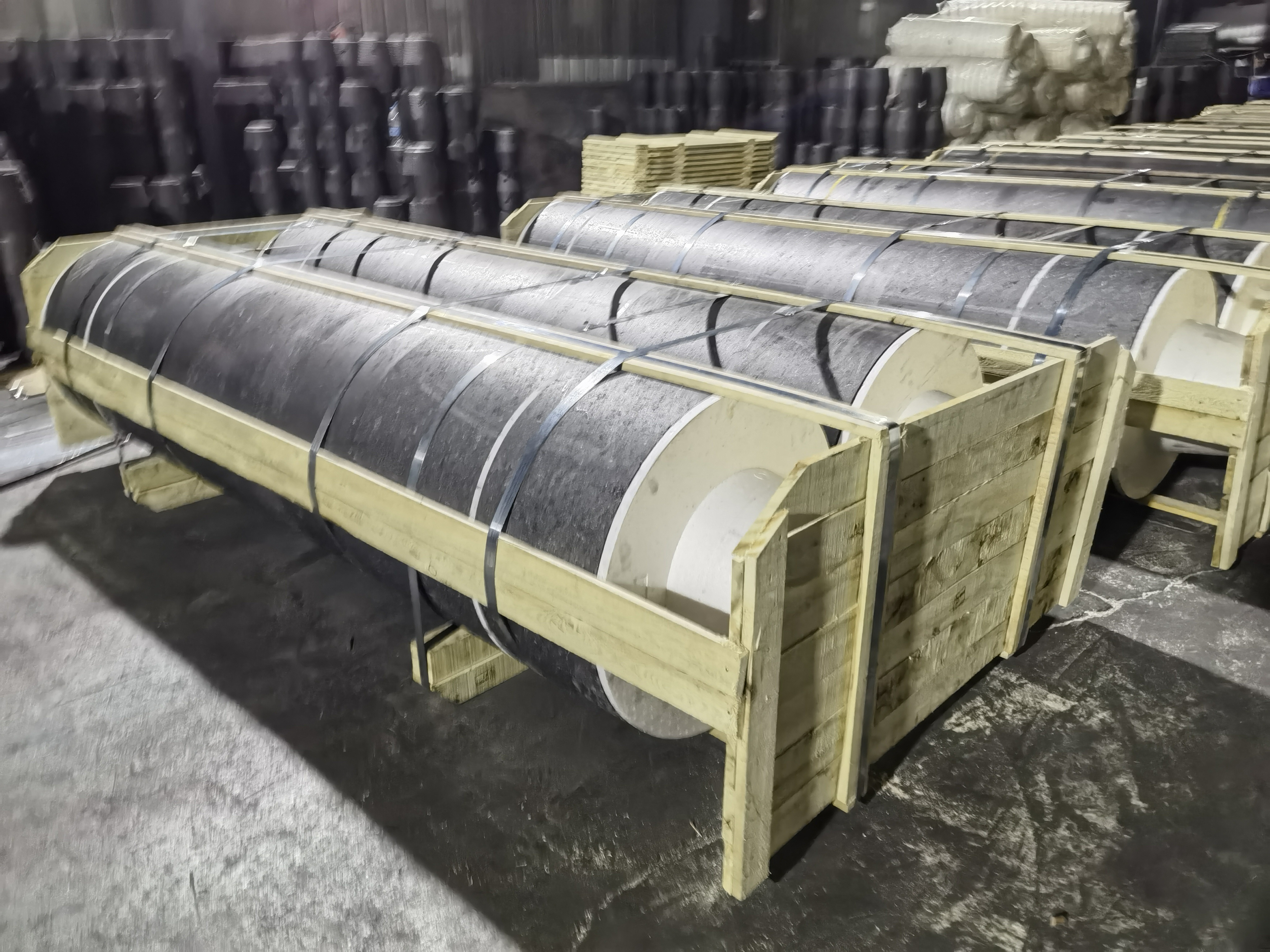
Graphite Electrode Maintenance: Essential Tips for Maximizing Longevity
Graphite electrodes play a crucial role in various industrial applications, particularly in electric arc furnaces (EAF) used for steelmaking. Ensuring the longevity of these electrodes is vital for maintaining efficiency, reducing costs, and upholding production standards. In this comprehensive guide, we will delve into the essential maintenance practices that can significantly extend the lifespan of graphite electrodes.
Table of Contents
- Understanding Graphite Electrodes
- Importance of Maintenance for Graphite Electrodes
- Common Issues and Challenges in Graphite Electrode Usage
- Best Practices for Graphite Electrode Maintenance
- Proper Storage and Handling Techniques
- Monitoring Performance and Wear
- Troubleshooting Common Graphite Electrode Issues
- Frequently Asked Questions
- Conclusion
Understanding Graphite Electrodes
Graphite electrodes are composed mainly of petroleum coke and coal tar pitch, processed through several stages to achieve the desired structure and properties. Their primary function is to conduct electricity in electric arc furnaces, where high temperatures are required to melt metals. The quality of graphite electrodes directly impacts the efficiency and effectiveness of the steel production process.
The Composition of Graphite Electrodes
Graphite electrodes are made from high-quality raw materials that undergo intricate manufacturing processes, including baking and graphitization. The resulting electrodes must possess high thermal conductivity, mechanical strength, and resistance to oxidation. Understanding the composition helps in appreciating their operational limits and maintenance needs.
Types of Graphite Electrodes
There are several types of graphite electrodes, including regular power (RP), medium power (HP), and ultra-high power (UHP) electrodes. Each type serves different applications, and their maintenance needs may vary based on operational demands and environmental conditions.
Importance of Maintenance for Graphite Electrodes
Regular maintenance of graphite electrodes is critical for numerous reasons:
- **Enhanced Efficiency:** Proper maintenance ensures optimal electrode performance, leading to energy savings and reduced operational costs.
- **Extended Lifespan:** Regular checks and maintenance can significantly prolong the life of the electrodes, thus decreasing the frequency and cost of replacements.
- **Improved Safety:** Well-maintained electrodes reduce the risk of failures that could lead to workplace accidents, ensuring a safer operational environment.
Common Issues and Challenges in Graphite Electrode Usage
Graphite electrodes are not immune to wear and damage, which can affect their performance. Some common issues include:
Electrode Breakage
Breakage can occur due to improper handling, thermal shock, or excessive mechanical stress. Maintaining proper handling protocols is critical to mitigating this risk.
Oxidation and Erosion
Oxidation occurs when electrodes are exposed to high temperatures in the presence of oxygen, leading to erosion. Selecting the right electrode type for specific applications can help in minimizing this issue.
Cracking
Cracking may happen due to rapid temperature changes or physical impacts. Understanding thermal dynamics and implementing gradual temperature increases can help reduce the likelihood of cracking.
Best Practices for Graphite Electrode Maintenance
Implementing best practices for maintenance can significantly enhance the longevity and performance of graphite electrodes. Here are some essential tips:
Regular Inspection
Routine inspections of electrodes should be conducted to identify signs of wear, cracking, or other issues. Having a standardized inspection schedule helps in early detection and preventive maintenance.
Proper Cleaning Techniques
Cleaning electrodes periodically is crucial. Accumulated dust and debris can impede conductivity and affect performance. Use non-abrasive materials and methods to avoid damaging the electrode surface.
Temperature Control
Maintaining stable operating temperatures is essential. Avoid rapid temperature fluctuations, which can lead to thermal shock and damage. Use temperature management systems to monitor and control the heating process.
Proper Storage and Handling Techniques
How electrodes are stored and handled greatly influences their longevity. Follow these guidelines for optimal results:
Storage Conditions
Store graphite electrodes in a dry, cool environment to prevent moisture absorption and oxidation. Use protective covers to shield them from debris and contaminants.
Safe Handling Protocols
When transporting or installing electrodes, always use appropriate lifting equipment to avoid mechanical stress. Training personnel on the correct handling methods is vital for reducing breakage risks.
Monitoring Performance and Wear
Regular monitoring of electrode performance can provide insights into their wear patterns and operational efficiency:
Utilizing Data Analytics
Implementing data analytics tools can help track electrode performance metrics, allowing for informed decision-making regarding maintenance schedules and operational adjustments.
Conducting Wear Assessments
Periodic wear assessments should be conducted to determine electrode lifespan and replacement needs. This proactive approach enables better resource management and cost savings.
Troubleshooting Common Graphite Electrode Issues
Addressing issues promptly can prevent significant downtime and operational losses. Here are common troubleshooting steps:
Addressing Electrode Breakage
If breakage occurs, review handling procedures and operational parameters to identify the cause. Consider using a different electrode grade if breakage is frequent.
Mitigating Oxidation Effects
Implementing protective coatings can help mitigate oxidation effects. Regularly assess the impact of operational temperatures on electrode integrity and adjust as necessary.
Resolving Cracking Issues
Evaluate the thermal management practices in place. Gradually increasing temperatures and avoiding sudden changes can help minimize cracking.
Frequently Asked Questions
1. What is the average lifespan of graphite electrodes?
The lifespan varies based on usage, but on average, graphite electrodes can last anywhere from 200 to 500 hours of operation under optimal conditions.
2. How can I prevent electrode breakage during handling?
Ensure that all personnel are trained in proper handling techniques and always use appropriate lifting equipment to minimize the risk of breakage.
3. What are the signs of electrode wear?
Signs of wear may include visible cracks, reduced conductivity, and changes in performance metrics. Regular inspections are key to identifying these signs early.
4. Can I use graphite electrodes at higher temperatures than recommended?
Exceeding the recommended temperature can lead to rapid oxidation and damage. Always adhere to the manufacturer’s guidelines for temperature limits.
5. How often should I conduct maintenance checks on my graphite electrodes?
Routine checks are recommended at least once a week, with more frequent inspections during high-production periods.
Conclusion
In conclusion, maintaining the longevity of graphite electrodes is an essential aspect of maximizing operational efficiency and cost-effectiveness in industrial settings. By implementing proper maintenance practices, regular inspections, and safe handling techniques, businesses can significantly extend the lifespan of their electrodes. This proactive approach not only improves productivity but also ensures a safer working environment. Invest in the care of your graphite electrodes today to reap long-term benefits in your operations.
Contact Us
E-mail:
Phone/WhatsApp:
+86 15711363051
Address:
Xingchuang International C912, Xinya Street No.15, Daxing District, Beijing, China



Contact
TEL: +8615711363051
EMAIL: sales@topflymaterial.com
ADD: Xingchuang International C912, Xinya Street No.15, Daxing District, Beijing, China