
The Future of RP Graphite Electrodes in Renewable Energy Solutions
Jul 03,2026
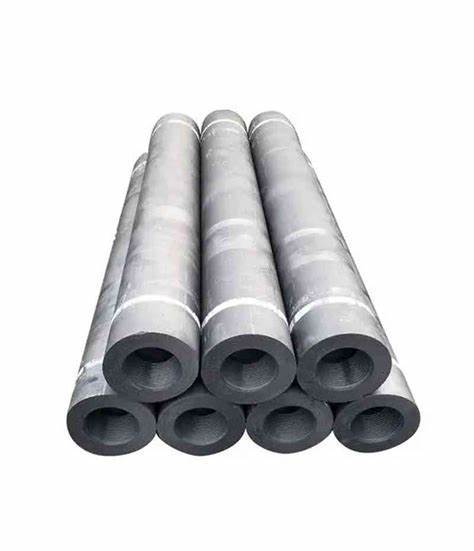
The Future of RP Graphite Electrodes in Renewable Energy Solutions
Introduction to RP Graphite Electrodes and Renewable Energy
In the evolving world of renewable energy, **RP (Regular Power) graphite electrodes** have emerged as crucial components across various applications. As the demand for clean energy solutions skyrockets, understanding the role of these electrodes in renewable energy systems is essential. This article explores how RP graphite electrodes are poised to revolutionize the renewable energy sector, with detailed insights into their applications, benefits, and future trends.
Table of Contents
- Understanding RP Graphite Electrodes
- The Role of RP Graphite Electrodes in Renewable Energy Systems
- Applications of RP Graphite Electrodes in Renewable Energy
- Advantages of Using RP Graphite Electrodes
- Challenges in the Adoption of RP Graphite Electrodes
- Future Trends in RP Graphite Electrode Technology
- Case Studies: Success Stories of RP Graphite Electrodes
- FAQs about RP Graphite Electrodes in Renewable Energy
- Conclusion: The Impact of RP Graphite Electrodes on the Future of Renewable Energy
Understanding RP Graphite Electrodes
RP graphite electrodes are primarily used in **electric arc furnaces (EAFs)** for steel production and various other applications. They are composed of high-quality synthetic graphite, which makes them highly conductive and resistant to thermal shock. These electrodes function efficiently in high-temperature environments, making them ideal for energy-intensive processes. As the world shifts towards renewable energy sources, the properties of RP graphite electrodes position them as vital components in advancing sustainability.
The Role of RP Graphite Electrodes in Renewable Energy Systems
The integration of RP graphite electrodes into renewable energy systems is multifaceted. They serve not only in traditional electric arc furnaces but also in emerging technologies that support sustainable energy solutions. For instance, they play a significant role in **battery technology**, particularly in lithium-ion batteries, which are essential for electric vehicles (EVs) and grid energy storage systems. This versatility showcases the electrodes' capability to adapt to various energy solutions.
Enhancing Energy Storage Capabilities
Energy storage is a critical element in the renewable energy landscape. RP graphite electrodes contribute to the efficiency of energy storage systems by improving charge and discharge rates in batteries. As renewable energy sources like solar and wind power become more prevalent, effective energy storage solutions are necessary to manage supply and demand fluctuations. RP graphite electrodes provide the conductivity needed to enhance battery performance, ensuring a reliable energy supply.
The Electric Vehicle Revolution
The rise of electric vehicles (EVs) marks a significant shift in transportation. RP graphite electrodes are integral to the production of lithium-ion batteries, which are the standard for modern EVs. Their high thermal resistance and electrical conductivity allow for more efficient battery designs, enabling longer driving ranges and faster charging times. As the automotive industry continues to embrace electrification, the demand for RP graphite electrodes will only increase.
Applications of RP Graphite Electrodes in Renewable Energy
The applications of RP graphite electrodes extend beyond traditional industries into several innovative and emerging sectors.
1. Solar Energy Solutions
In solar energy applications, RP graphite electrodes are utilized in manufacturing photovoltaic cells. Their electrical properties enhance the efficiency of solar panels, making renewable energy generation more effective.
2. Wind Energy
Wind energy systems also benefit from RP graphite electrodes, particularly in the production of high-efficiency generators. Their durability and conductivity contribute to the reliability of wind turbines, essential for maximizing energy capture and conversion.
3. Hydrogen Production
As the world pivots towards hydrogen as a clean fuel source, RP graphite electrodes are increasingly used in electrolysis processes, which split water into hydrogen and oxygen. Their efficiency and thermal stability make them ideal candidates for electrolysis cells, promoting the hydrogen economy.
Advantages of Using RP Graphite Electrodes
The adoption of RP graphite electrodes in renewable energy solutions brings several advantages:
1. High Conductivity
RP graphite electrodes exhibit exceptional electrical conductivity, which is crucial for optimizing energy transfer in various applications. This property enhances the efficiency of batteries and other energy systems.
2. Thermal Stability
These electrodes can withstand extreme temperatures without degrading, making them ideal for high-energy applications. Their thermal stability ensures consistent performance, even in demanding environments.
3. Longevity and Durability
RP graphite electrodes are known for their longevity, which reduces the need for frequent replacements. This durability contributes to lower operational costs and minimizes waste, aligning with sustainability goals.
4. Versatility
The versatility of RP graphite electrodes allows their application across multiple sectors within renewable energy, from battery production to solar and wind technologies, adapting to the evolving landscape of energy solutions.
Challenges in the Adoption of RP Graphite Electrodes
Despite their numerous advantages, several challenges hinder the widespread adoption of RP graphite electrodes in renewable energy solutions.
1. Cost Considerations
The production of RP graphite electrodes can be relatively expensive, which may deter some companies from incorporating them into their processes. However, the potential cost savings from increased efficiency and longevity often justify the initial investment.
2. Supply Chain Issues
The availability of high-quality graphite can be a limiting factor. Disruptions in the supply chain can affect the production and distribution of RP graphite electrodes, impacting the renewable energy sector's growth.
3. Technological Integration
Integrating RP graphite electrodes into existing systems requires technological advancements and research. Companies must invest in R&D to optimize their use in innovative applications, which can be a barrier for smaller enterprises.
Future Trends in RP Graphite Electrode Technology
The future of RP graphite electrodes is promising, with several trends likely to shape their development and application in renewable energy solutions.
1. Advancements in Manufacturing Techniques
Innovations in manufacturing processes, such as the use of nanotechnology, are expected to enhance the performance of RP graphite electrodes. Improved production methods can lead to higher purity and better material properties, driving their efficiency.
2. Increased Focus on Sustainability
As industries strive for sustainability, there will be a growing emphasis on eco-friendly production methods for RP graphite electrodes. This focus aligns with global efforts toward reducing carbon footprints and promoting clean energy solutions.
3. Expanded Research into Alternative Materials
Research into alternative materials may complement RP graphite electrodes in renewable energy applications. Exploring new composites and hybrid materials can enhance performance and open new avenues for innovation.
Case Studies: Success Stories of RP Graphite Electrodes
Several companies and projects have successfully integrated RP graphite electrodes into their renewable energy solutions, demonstrating their impact and effectiveness.
1. Company X: Revolutionizing Battery Technology
Company X has developed a cutting-edge battery system that utilizes RP graphite electrodes to increase energy density and reduce charging times. Their success has positioned them as leaders in the electric vehicle market.
2. Project Y: Solar Efficiency Breakthrough
Project Y implemented RP graphite electrodes in the production of solar panels, resulting in a 20% increase in energy conversion efficiency. This breakthrough has set a new standard for solar technology.
FAQs about RP Graphite Electrodes in Renewable Energy
1. What are RP graphite electrodes used for in renewable energy?
RP graphite electrodes are primarily used in energy storage systems, electric vehicles, and renewable energy generation technologies like solar and wind.
2. How do RP graphite electrodes enhance battery performance?
Their high electrical conductivity and thermal stability improve charge and discharge rates, leading to more efficient energy storage and delivery.
3. Are RP graphite electrodes environmentally friendly?
While they are derived from natural resources, sustainability can be enhanced through eco-friendly production methods and responsible sourcing practices.
4. What challenges do RP graphite electrodes face in the market?
Challenges include high production costs, supply chain issues, and the need for technological integration into existing systems.
5. What does the future hold for RP graphite electrode technology?
Future trends include advancements in manufacturing techniques, a focus on sustainability, and research into alternative materials for enhanced performance.
Conclusion: The Impact of RP Graphite Electrodes on the Future of Renewable Energy
RP graphite electrodes are set to play a pivotal role in the future of renewable energy solutions. Their unique properties and versatility make them indispensable in various applications, from electric vehicles to energy storage systems. As challenges are addressed and technology advances, the integration of RP graphite electrodes will likely drive significant improvements in the efficiency and sustainability of renewable energy systems. The path toward a greener future is illuminated by the potential of these remarkable materials, making them a cornerstone of modern energy solutions.
Contact Us
E-mail:
Phone/WhatsApp:
+86 15711363051
Address:
Xingchuang International C912, Xinya Street No.15, Daxing District, Beijing, China



Contact
TEL: +8615711363051
EMAIL: sales@topflymaterial.com
ADD: Xingchuang International C912, Xinya Street No.15, Daxing District, Beijing, China