
Isostatic Graphite: A Game Changer for Electronic Components
Jun 27,2026
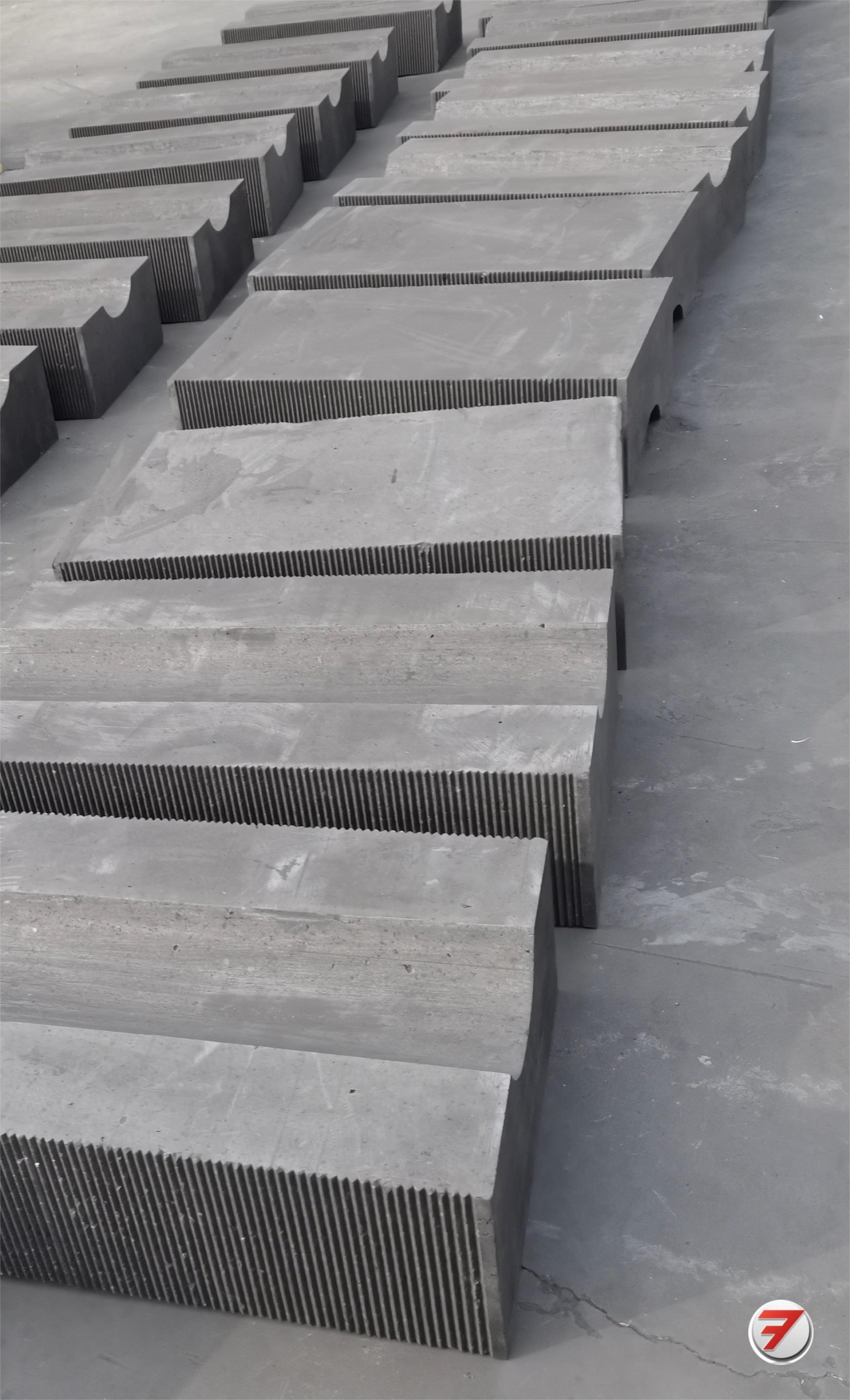
Isostatic Graphite: A Game Changer for Electronic Components
Table of Contents
- 1. Introduction to Isostatic Graphite
- 2. What is Isostatic Graphite?
- 3. Properties of Isostatic Graphite
- 4. Advantages of Isostatic Graphite for Electronic Components
- 5. Applications of Isostatic Graphite in Electronics
- 6. Isostatic Graphite vs. Conventional Graphite
- 7. Manufacturing Process of Isostatic Graphite
- 8. Future Trends in Isostatic Graphite Use
- 9. FAQs About Isostatic Graphite
- 10. Conclusion
1. Introduction to Isostatic Graphite
Isostatic graphite is making waves in the realm of electronic components, offering attributes that traditional materials simply cannot match. As the demand for high-performance electronics surges, understanding the role of isostatic graphite becomes crucial for manufacturers and engineers alike. This article delves into the unique properties of isostatic graphite, its benefits over conventional materials, and its myriad applications in the electronics sector.
2. What is Isostatic Graphite?
Isostatic graphite is a specialized form of graphite that is produced through a meticulous process known as isostatic pressing. This method involves applying uniform pressure in all directions, resulting in a material that exhibits superior density and mechanical strength. Unlike conventional graphite, which can be anisotropic (having different properties in different directions), isostatic graphite boasts isotropy, ensuring consistent performance across the board.
2.1 The Production Process
The production of isostatic graphite begins with high-quality raw materials, followed by a series of steps that include mixing, molding, and pressing. The isostatic pressing process involves the use of a liquid medium to apply pressure, which creates a uniform structure. After pressing, the material undergoes high-temperature treatment, which enhances its properties further.
3. Properties of Isostatic Graphite
Isostatic graphite is renowned for its exceptional properties that make it an ideal candidate for various electronic applications. Some of the key properties include:
3.1 High Thermal Conductivity
With thermal conductivity exceeding that of metals such as copper, isostatic graphite efficiently dissipates heat, making it vital for components that generate significant heat during operation.
3.2 Electrical Conductivity
Isostatic graphite exhibits excellent electrical conductivity, which is essential for its use in electronic components like electrodes and contacts.
3.3 Chemical Resistance
This material is resistant to chemical corrosion and degradation, ensuring longevity and reliability in various environments.
3.4 Lightweight Yet Strong
Despite its strength, isostatic graphite remains lightweight, making it advantageous for applications where reducing weight is critical.
4. Advantages of Isostatic Graphite for Electronic Components
The advantages of isostatic graphite over traditional materials are numerous and significant:
4.1 Enhanced Performance
Because of its isotropic properties, isostatic graphite ensures uniform performance across electronic components, reducing the risk of failure and improving overall reliability.
4.2 Cost-Effectiveness
While the initial cost may be higher, the durability and efficiency of isostatic graphite often lead to reduced operational costs in the long run.
4.3 Environmental Sustainability
Isostatic graphite can be sourced from natural graphite, which is more environmentally friendly compared to some synthetic alternatives. Its longevity also contributes positively to sustainability.
5. Applications of Isostatic Graphite in Electronics
Isostatic graphite finds its application in numerous electronic components, thanks to its unique properties.
5.1 Heat Sinks
The high thermal conductivity of isostatic graphite makes it ideal for heat sinks in high-performance computing systems, effectively managing heat and enhancing performance.
5.2 Electrode Materials
In applications such as batteries and fuel cells, isostatic graphite serves as a reliable electrode material due to its excellent electrical conductivity.
5.3 Semiconductor Manufacturing
Isostatic graphite is used in the manufacturing of semiconductor components, where precision and reliability are paramount.
5.4 Insulation Materials
Its chemical resistance makes isostatic graphite a preferred choice for insulation materials in various electronic devices.
6. Isostatic Graphite vs. Conventional Graphite
While both isostatic and conventional graphite have their place in the industry, the differences are stark.
6.1 Structural Integrity
Isostatic graphite provides greater structural integrity due to its uniform density, whereas conventional graphite can exhibit weaknesses due to anisotropic characteristics.
6.2 Performance Consistency
With isostatic graphite, manufacturers can expect consistent performance across multiple components. This is less reliable with conventional graphite.
6.3 Temperature Resistance
Isostatic graphite can withstand higher temperatures without losing performance, making it more suitable for high-stress applications.
7. Manufacturing Process of Isostatic Graphite
The manufacturing process of isostatic graphite is complex but essential for achieving the desired material characteristics.
7.1 Raw Material Selection
Choosing high-quality raw materials is critical. The carbon content and purity significantly affect the final product's performance.
7.2 Isostatic Pressing
The isostatic pressing process is where the magic happens, as it creates uniform pressure that results in isotropic characteristics.
7.3 High-Temperature Treatment
After pressing, the graphite undergoes high-temperature treatment to optimize its properties, enhancing both its strength and conductivity.
8. Future Trends in Isostatic Graphite Use
The future of isostatic graphite in electronic components looks promising. As technology advances, the demand for materials that can handle extreme conditions while providing reliability will grow. Innovations in manufacturing processes may lead to even higher performance and lower costs, making isostatic graphite a staple in future electronic designs.
9. FAQs About Isostatic Graphite
9.1 What is the primary benefit of using isostatic graphite in electronics?
**Isostatic graphite offers superior thermal and electrical conductivity, making it ideal for high-performance electronic components.**
9.2 How does isostatic graphite compare in cost to traditional materials?
**While the upfront cost of isostatic graphite may be higher, its durability and efficiency can lead to lower operational costs over time.**
9.3 Can isostatic graphite be recycled?
**Yes, isostatic graphite can be recycled, contributing to its environmental sustainability.**
9.4 What industries benefit the most from isostatic graphite?
**Industries such as electronics, semiconductor manufacturing, and energy storage significantly benefit from isostatic graphite applications.**
9.5 Is isostatic graphite suitable for high-temperature applications?
**Absolutely, isostatic graphite can withstand high temperatures without compromising its properties, making it suitable for various high-stress applications.**
10. Conclusion
Isostatic graphite is a transformative material that stands at the forefront of the electronic components industry. Its unique properties, combined with the ability to outperform traditional materials, make it an indispensable asset in modern technology. As we move forward, the continued exploration and application of isostatic graphite will undoubtedly unlock new possibilities, driving innovation and efficiency in electronic design and manufacturing. Embracing isostatic graphite not only enhances product performance but also contributes to a more sustainable future in the electronics sector.
Contact Us
E-mail:
Phone/WhatsApp:
+86 15711363051
Address:
Xingchuang International C912, Xinya Street No.15, Daxing District, Beijing, China



Contact
TEL: +8615711363051
EMAIL: sales@topflymaterial.com
ADD: Xingchuang International C912, Xinya Street No.15, Daxing District, Beijing, China