
Graphite Boats vs. Traditional Materials: A Comprehensive Comparison in Non-Metallic Minerals
Jun 23,2026
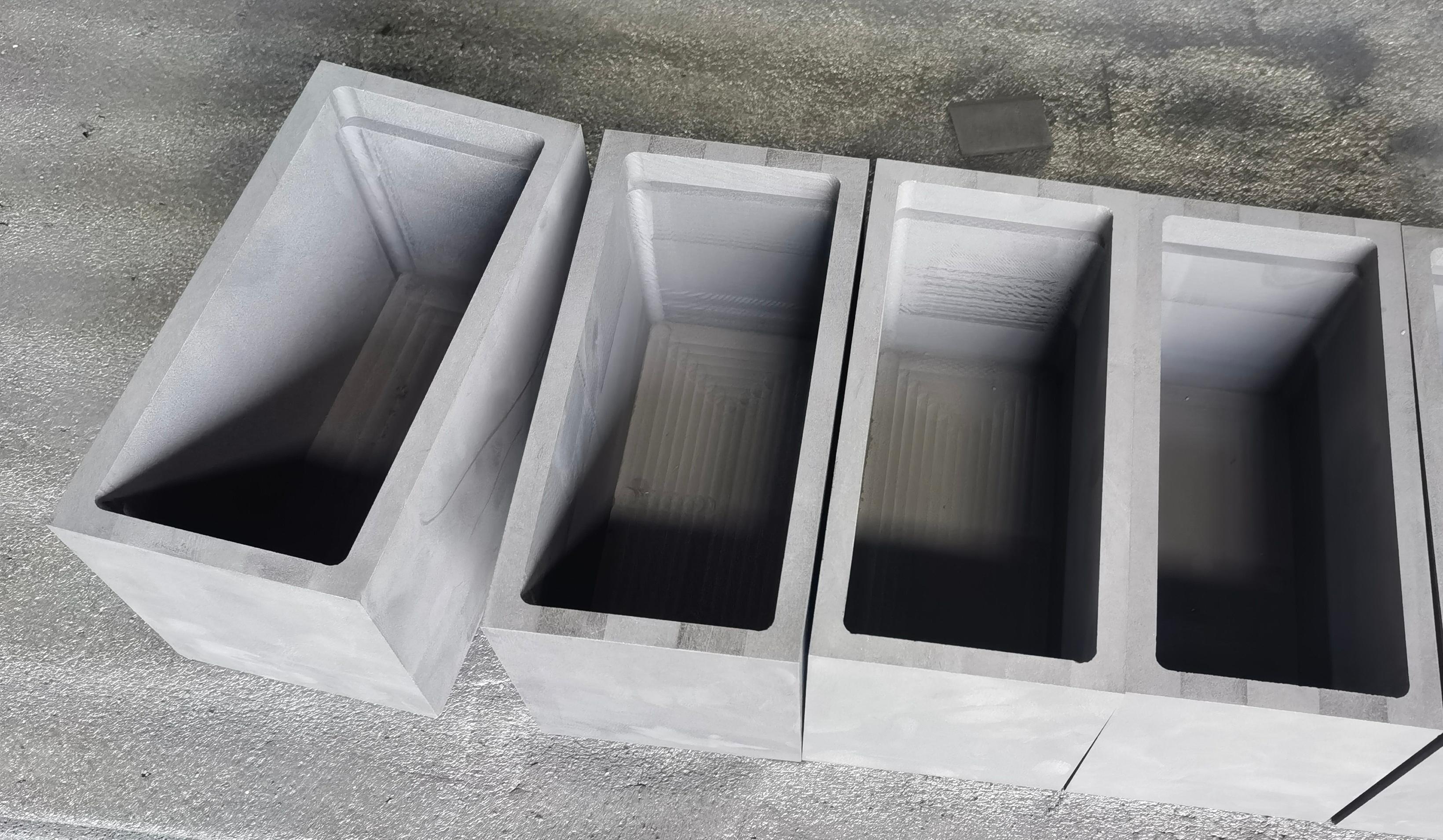
Graphite Boats vs. Traditional Materials: A Comprehensive Comparison
Table of Contents
- 1. Introduction to Graphite Boats and Traditional Materials
- 2. Understanding Graphite: Properties and Benefits
- 3. Overview of Traditional Materials in Industrial Applications
- 4. Advantages of Graphite Boats
- 5. Limitations of Traditional Materials
- 6. Application Comparison: Graphite Boats vs. Traditional Materials
- 7. Cost-Effectiveness of Graphite vs. Traditional Materials
- 8. Conclusion: The Future of Graphite Boats in Industry
- 9. FAQs
1. Introduction to Graphite Boats and Traditional Materials
As industries evolve, the demand for specialized materials intensifies. In the metallurgical and energy sectors, the choice of materials can significantly impact efficiency, durability, and cost-effectiveness. **Graphite boats** have emerged as a formidable alternative to traditional materials like ceramics and metals. This article aims to provide an in-depth analysis of graphite boats compared to conventional materials, focusing on their properties, applications, and overall value in industrial usage.
2. Understanding Graphite: Properties and Benefits
Graphite is a naturally occurring form of carbon that exhibits remarkable properties, making it suitable for various industrial applications.
2.1 Unique Properties of Graphite
- **High Thermal Conductivity**: Graphite’s ability to conduct heat makes it ideal for applications requiring heat resistance.
- **Chemical Inertness**: Graphite is resistant to most chemicals, which is crucial in corrosive environments.
- **Low Coefficient of Thermal Expansion**: This means that graphite maintains its shape and size even under extreme temperature changes.
- **Electrical Conductivity**: Graphite can conduct electricity, making it beneficial for various electrical applications.
2.2 Benefits of Choosing Graphite Boats
- **Extended Lifespan**: Graphite boats often outlast their counterparts due to their thermal and chemical stability.
- **Weight Efficiency**: Graphite is significantly lighter than metals, reducing the overall weight of equipment and improving handling.
- **Cost-Effectiveness**: Despite a higher upfront cost, the longevity and reduced maintenance needs of graphite boats can lead to lower total operational costs.
3. Overview of Traditional Materials in Industrial Applications
Traditional materials such as ceramics, metals, and composites have been used extensively in various industries.
3.1 Common Types of Traditional Materials
- **Ceramics**: Known for their high-temperature resistance, ceramics are commonly used in furnaces and kilns.
- **Metal Alloys**: Materials like stainless steel and aluminum offer strength and durability, making them suitable for structural applications.
- **Composite Materials**: Composites combine various materials to harness the strengths of each, often used in aerospace and automotive industries.
3.2 Limitations of Traditional Materials
- **Brittleness**: Many ceramics can be brittle, leading to failure under stress or thermal shock.
- **Weight**: Metals tend to be heavier, which can be a disadvantage in applications where weight is critical.
- **Corrosion**: Metals are susceptible to corrosion, requiring protective coatings or maintenance.
4. Advantages of Graphite Boats
Graphite boats provide several advantages over traditional materials, particularly in metallurgical applications.
4.1 Enhanced Thermal Stability
Graphite boats can withstand higher temperatures without deforming, making them ideal for processes like casting and sintering.
4.2 Chemical Resistance
The inert nature of graphite makes it resistant to degradation from various chemicals, ensuring longer operational life and lower replacement costs.
4.3 Customization and Design Flexibility
Manufacturers can easily mold graphite into various shapes and sizes, providing tailored solutions for specific applications.
5. Limitations of Traditional Materials
While traditional materials have their merits, they also present certain drawbacks that graphite boats can overcome.
5.1 Durability Concerns
Ceramic and metal components may crack or corrode over time, leading to costly downtime and repairs.
5.2 Maintenance Requirements
Many traditional materials necessitate regular maintenance and inspection, which can increase operational costs.
5.3 Performance at High Temperatures
Traditional materials may lose their mechanical properties at elevated temperatures, making them unsuitable for high-temperature applications.
6. Application Comparison: Graphite Boats vs. Traditional Materials
When it comes to applications, understanding the performance of graphite boats versus traditional materials is essential.
6.1 Foundry and Metal Casting
Graphite boats are preferred for metal casting due to their superior heat resistance and ability to maintain dimensional stability.
6.2 Electronics and Electrical Applications
In electronics, graphite’s electrical conductivity coupled with its thermal properties makes it an excellent choice for components such as electrodes and heat sinks.
6.3 Chemical Processing
The chemical industry benefits from graphite boats due to their resistance to chemical corrosion, allowing for safer and more efficient processes.
6.4 Aerospace and Defense
In the aerospace sector, weight and thermal performance are crucial. Graphite boats provide an advantage over traditional materials, contributing to improved fuel efficiency and overall performance.
7. Cost-Effectiveness of Graphite vs. Traditional Materials
An important consideration in choosing materials is the overall cost, which involves initial investment and long-term maintenance.
7.1 Initial Costs
Graphite boats generally have a higher initial cost compared to traditional materials, but their longevity and reduced maintenance can justify the investment.
7.2 Total Cost of Ownership
The lower maintenance requirements and extended lifespan of graphite boats often lead to a lower total cost of ownership, making them a more economical choice in the long run.
7.3 Case Studies and Real-World Examples
Several industries have reported cost savings by switching to graphite boats, showcasing their effectiveness in reducing downtime and maintenance costs.
8. Conclusion: The Future of Graphite Boats in Industry
The comparison between graphite boats and traditional materials highlights the significant benefits of adopting graphite in various industrial applications. **Graphite boats** offer unique properties, such as high thermal and chemical resistance, lightweight characteristics, and cost-effectiveness, making them a superior choice over traditional materials. As industries continue to seek innovative solutions to enhance efficiency and reduce costs, the future of graphite boats appears promising. Organizations looking to optimize their processes should seriously consider integrating graphite boats into their operations for improved performance and long-term benefits.
9. FAQs
9.1 What are graphite boats used for?
Graphite boats are primarily used in metal casting, chemical processing, and electronics due to their high thermal stability and chemical resistance.
9.2 How do graphite boats compare to ceramic materials?
Graphite boats offer better thermal stability, chemical resistance, and weight efficiency compared to ceramic materials, which can be brittle and heavy.
9.3 Are graphite boats cost-effective?
While graphite boats have a higher initial cost, their durability and lower maintenance needs often lead to a lower total cost of ownership over time.
9.4 Can graphite boats be customized?
Yes, graphite can be easily molded and customized to meet specific application requirements, providing flexibility in design.
9.5 What industries benefit from using graphite boats?
Industries such as metallurgy, electronics, aerospace, and chemical processing benefit significantly from the unique properties of graphite boats.
By understanding the advantages and applications of graphite boats compared to traditional materials, industries can make informed decisions to enhance their operations and reduce costs.
Contact Us
E-mail:
Phone/WhatsApp:
+86 15711363051
Address:
Xingchuang International C912, Xinya Street No.15, Daxing District, Beijing, China



Contact
TEL: +8615711363051
EMAIL: sales@topflymaterial.com
ADD: Xingchuang International C912, Xinya Street No.15, Daxing District, Beijing, China