
Understanding Isostatic Graphite: A Key Material in Metallurgical and Energy Applications
Jun 20,2026
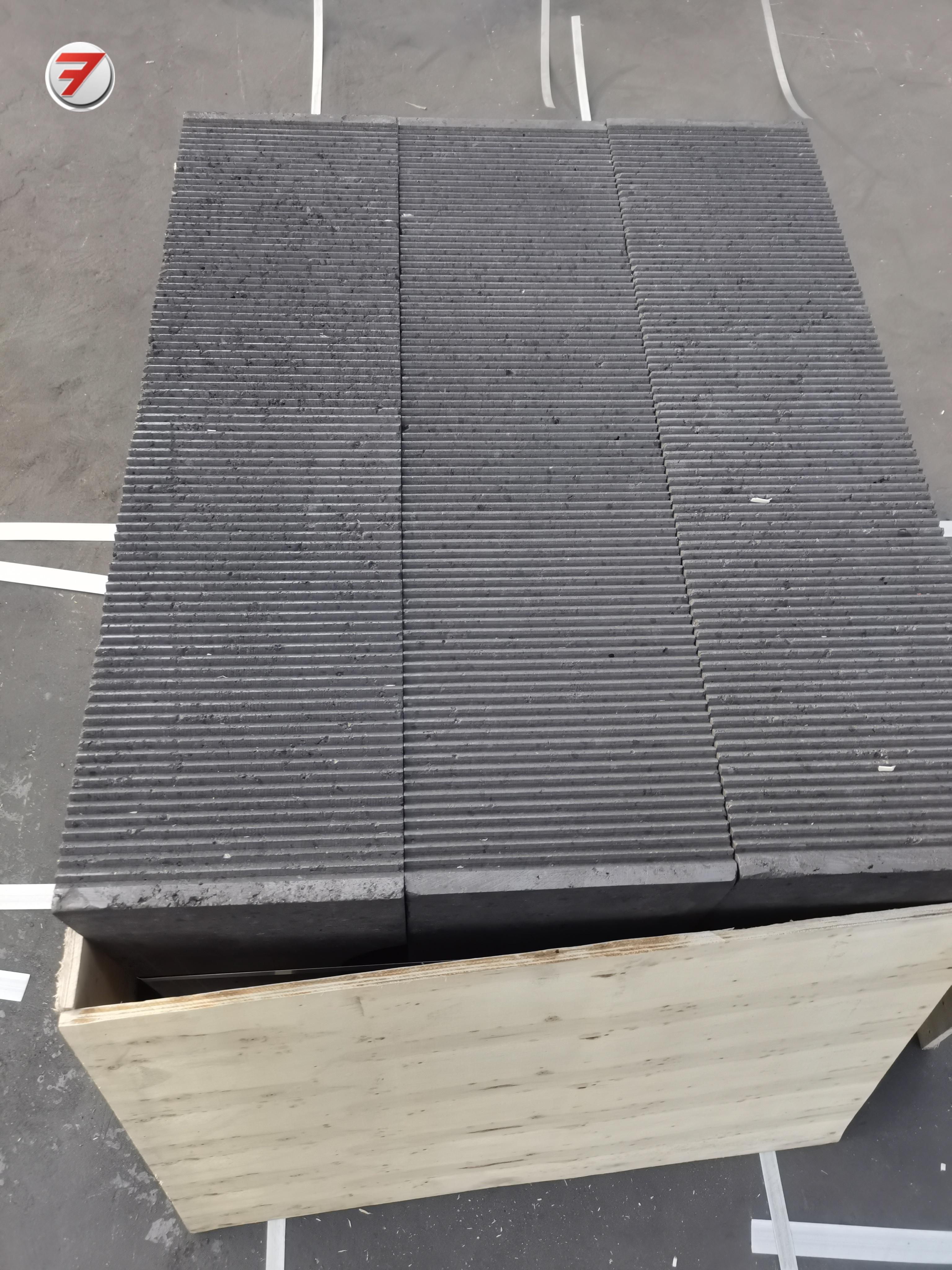
Isostatic graphite, also known as isotropic graphite, is a form of carbon that is produced through a specialized manufacturing process that ensures uniform density and properties throughout the material. This is achieved by applying high pressure and temperature to a fine graphite powder, which is then subjected to a secondary process involving heat treatment. The result is a high-performance material that exhibits exceptional mechanical strength, thermal conductivity, and chemical resistance.
One of the key advantages of isostatic graphite is its isotropic properties, meaning it has consistent characteristics in all directions. This is particularly beneficial in applications where uniform material performance is crucial, such as in the production of electrodes for electric arc furnaces, where thermal and electrical conductivity are paramount. The homogeneity of isostatic graphite also contributes to its superior machining capabilities, allowing for intricate designs and precise dimensions.
In the metallurgical industry, isostatic graphite is often utilized in the manufacturing of molds and crucibles, where its high heat resistance and low thermal expansion are invaluable. This material can withstand extreme temperatures without deforming, making it ideal for processes involving molten metals. Additionally, its excellent oxidation resistance enhances the longevity of equipment used in high-temperature applications.
In the energy sector, isostatic graphite plays a vital role in nuclear applications. Its low neutron absorption cross-section allows it to be utilized as a moderator material in nuclear reactors. Furthermore, isostatic graphite’s ability to maintain structural integrity under radiation exposure makes it an essential component in reactor core designs.
Another critical area where isostatic graphite is utilized is in the production of lithium-ion battery components. As the demand for energy storage solutions increases, the need for advanced materials like isostatic graphite becomes more pronounced. Its excellent electrical conductivity and thermal stability make it suitable for anodes in batteries, contributing to improved performance and efficiency.
Moreover, isostatic graphite's versatility extends to various industrial applications, including semiconductor manufacturing, where its precise thermal and electrical properties are required. Its adaptability allows it to be used in cutting-edge technologies, enhancing the overall performance and reliability of devices.
In summary, isostatic graphite is an essential material within the metallurgical and energy industries, known for its unique properties and applications. Its isotropic nature, high-temperature resistance, and excellent machining characteristics make it a preferred choice for various high-performance applications. As industries continue to evolve and demand for advanced materials grows, understanding the significance and capabilities of isostatic graphite will be crucial for professionals navigating these sectors.
One of the key advantages of isostatic graphite is its isotropic properties, meaning it has consistent characteristics in all directions. This is particularly beneficial in applications where uniform material performance is crucial, such as in the production of electrodes for electric arc furnaces, where thermal and electrical conductivity are paramount. The homogeneity of isostatic graphite also contributes to its superior machining capabilities, allowing for intricate designs and precise dimensions.
In the metallurgical industry, isostatic graphite is often utilized in the manufacturing of molds and crucibles, where its high heat resistance and low thermal expansion are invaluable. This material can withstand extreme temperatures without deforming, making it ideal for processes involving molten metals. Additionally, its excellent oxidation resistance enhances the longevity of equipment used in high-temperature applications.
In the energy sector, isostatic graphite plays a vital role in nuclear applications. Its low neutron absorption cross-section allows it to be utilized as a moderator material in nuclear reactors. Furthermore, isostatic graphite’s ability to maintain structural integrity under radiation exposure makes it an essential component in reactor core designs.
Another critical area where isostatic graphite is utilized is in the production of lithium-ion battery components. As the demand for energy storage solutions increases, the need for advanced materials like isostatic graphite becomes more pronounced. Its excellent electrical conductivity and thermal stability make it suitable for anodes in batteries, contributing to improved performance and efficiency.
Moreover, isostatic graphite's versatility extends to various industrial applications, including semiconductor manufacturing, where its precise thermal and electrical properties are required. Its adaptability allows it to be used in cutting-edge technologies, enhancing the overall performance and reliability of devices.
In summary, isostatic graphite is an essential material within the metallurgical and energy industries, known for its unique properties and applications. Its isotropic nature, high-temperature resistance, and excellent machining characteristics make it a preferred choice for various high-performance applications. As industries continue to evolve and demand for advanced materials grows, understanding the significance and capabilities of isostatic graphite will be crucial for professionals navigating these sectors.
Contact Us
E-mail:
Phone/WhatsApp:
+86 15711363051
Address:
Xingchuang International C912, Xinya Street No.15, Daxing District, Beijing, China



Contact
TEL: +8615711363051
EMAIL: sales@topflymaterial.com
ADD: Xingchuang International C912, Xinya Street No.15, Daxing District, Beijing, China