
The Essential Role of Graphite Electrodes in the Metallurgical Industry
Jun 18,2026
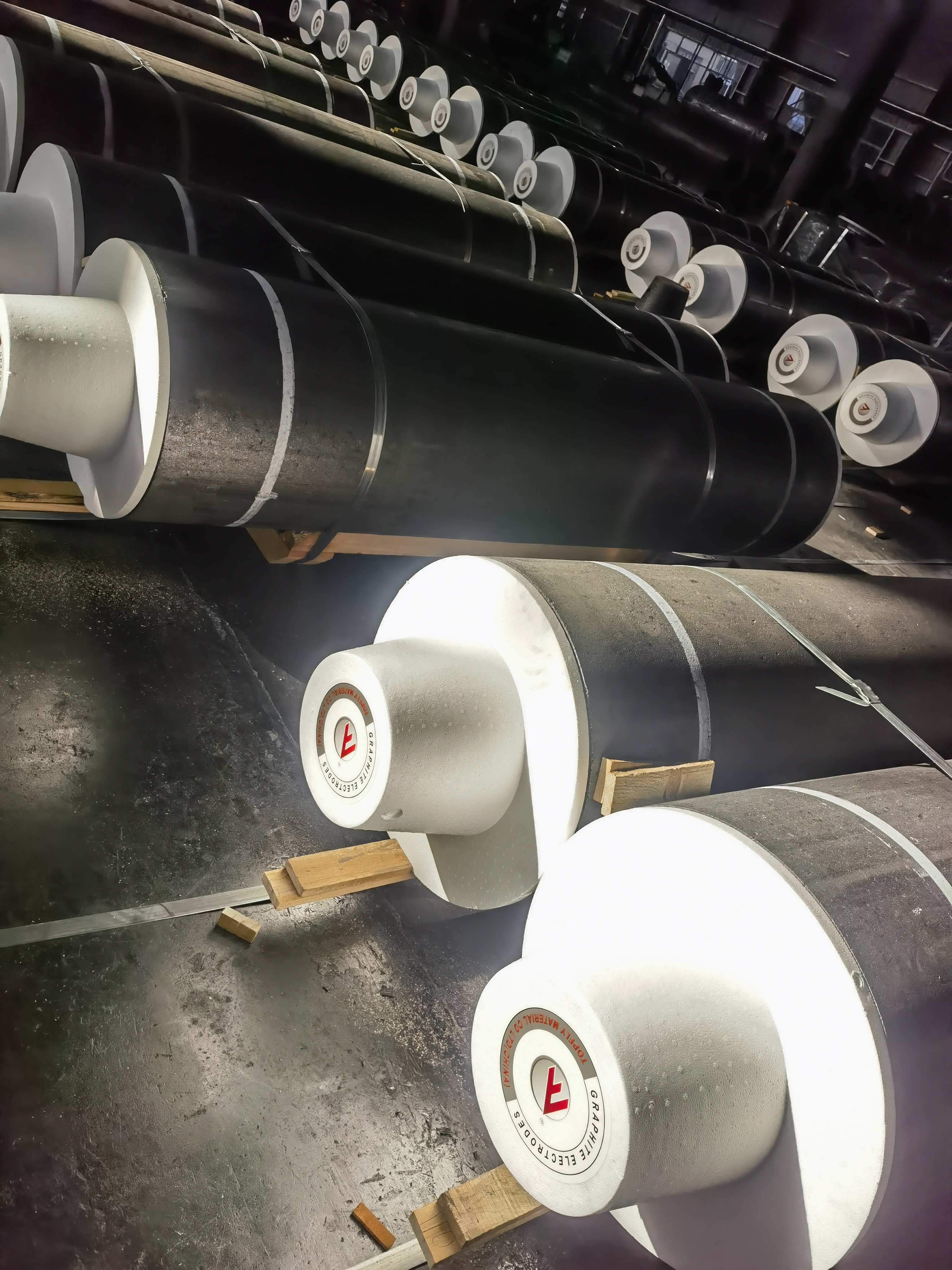
Graphite electrodes are crucial components in the metallurgical industry, particularly in electric arc furnaces (EAF) used for steel production. These electrodes serve as conductors of electrical current, facilitating the melting of scrap steel and the production of high-quality steel. Made primarily from high-purity natural graphite, they possess unique properties that contribute to their effectiveness and efficiency.
One of the most significant features of graphite electrodes is their exceptional thermal and electrical conductivity. Graphite can withstand high temperatures without deforming, making it ideal for the harsh conditions inside an electric arc furnace. The ability to conduct electricity efficiently means that less energy is required to achieve the necessary temperatures for metal melting, which translates into lower operational costs for steel manufacturers.
The production of graphite electrodes involves several stages, including the calcination of petroleum coke, mixing it with a binding agent, shaping, and then graphitizing the material at high temperatures. This process enhances the structure of the graphite and improves its properties, such as mechanical strength and electrical conductivity. As a result, the quality of graphite electrodes is critical to the overall performance and efficiency of EAF operations.
In recent years, the demand for graphite electrodes has grown significantly, driven by the increasing need for sustainable steel production methods. Electric arc furnaces are more environmentally friendly compared to traditional blast furnaces, as they use recycled steel as a primary input. This shift towards recycling not only reduces the carbon footprint but also aligns with global efforts to promote sustainability in manufacturing processes.
Moreover, the versatility of graphite electrodes extends beyond steel production. They are also used in other applications, such as aluminum smelting, silicon production, and the manufacturing of various carbon products. Their ability to withstand extreme temperatures and resist oxidation makes them valuable in a range of industrial processes.
As the metallurgical industry continues to evolve, professionals should pay close attention to advancements in graphite electrode technology. Innovations in production techniques and materials can lead to improved performance and cost-efficiency, offering significant advantages in competitive markets.
In conclusion, graphite electrodes play a vital role in the metallurgical and energy sectors, particularly in steel production. Their unique properties, production processes, and applications highlight their importance in modern manufacturing. Understanding these aspects can empower industry professionals to make informed decisions that enhance operational efficiency and sustainability in their practices.
One of the most significant features of graphite electrodes is their exceptional thermal and electrical conductivity. Graphite can withstand high temperatures without deforming, making it ideal for the harsh conditions inside an electric arc furnace. The ability to conduct electricity efficiently means that less energy is required to achieve the necessary temperatures for metal melting, which translates into lower operational costs for steel manufacturers.
The production of graphite electrodes involves several stages, including the calcination of petroleum coke, mixing it with a binding agent, shaping, and then graphitizing the material at high temperatures. This process enhances the structure of the graphite and improves its properties, such as mechanical strength and electrical conductivity. As a result, the quality of graphite electrodes is critical to the overall performance and efficiency of EAF operations.
In recent years, the demand for graphite electrodes has grown significantly, driven by the increasing need for sustainable steel production methods. Electric arc furnaces are more environmentally friendly compared to traditional blast furnaces, as they use recycled steel as a primary input. This shift towards recycling not only reduces the carbon footprint but also aligns with global efforts to promote sustainability in manufacturing processes.
Moreover, the versatility of graphite electrodes extends beyond steel production. They are also used in other applications, such as aluminum smelting, silicon production, and the manufacturing of various carbon products. Their ability to withstand extreme temperatures and resist oxidation makes them valuable in a range of industrial processes.
As the metallurgical industry continues to evolve, professionals should pay close attention to advancements in graphite electrode technology. Innovations in production techniques and materials can lead to improved performance and cost-efficiency, offering significant advantages in competitive markets.
In conclusion, graphite electrodes play a vital role in the metallurgical and energy sectors, particularly in steel production. Their unique properties, production processes, and applications highlight their importance in modern manufacturing. Understanding these aspects can empower industry professionals to make informed decisions that enhance operational efficiency and sustainability in their practices.
Contact Us
E-mail:
Phone/WhatsApp:
+86 15711363051
Address:
Xingchuang International C912, Xinya Street No.15, Daxing District, Beijing, China



Contact
TEL: +8615711363051
EMAIL: sales@topflymaterial.com
ADD: Xingchuang International C912, Xinya Street No.15, Daxing District, Beijing, China