
Unlocking the Power of Graphite Electrode in Metallurgy: A Deep Dive
Jun 01,2026
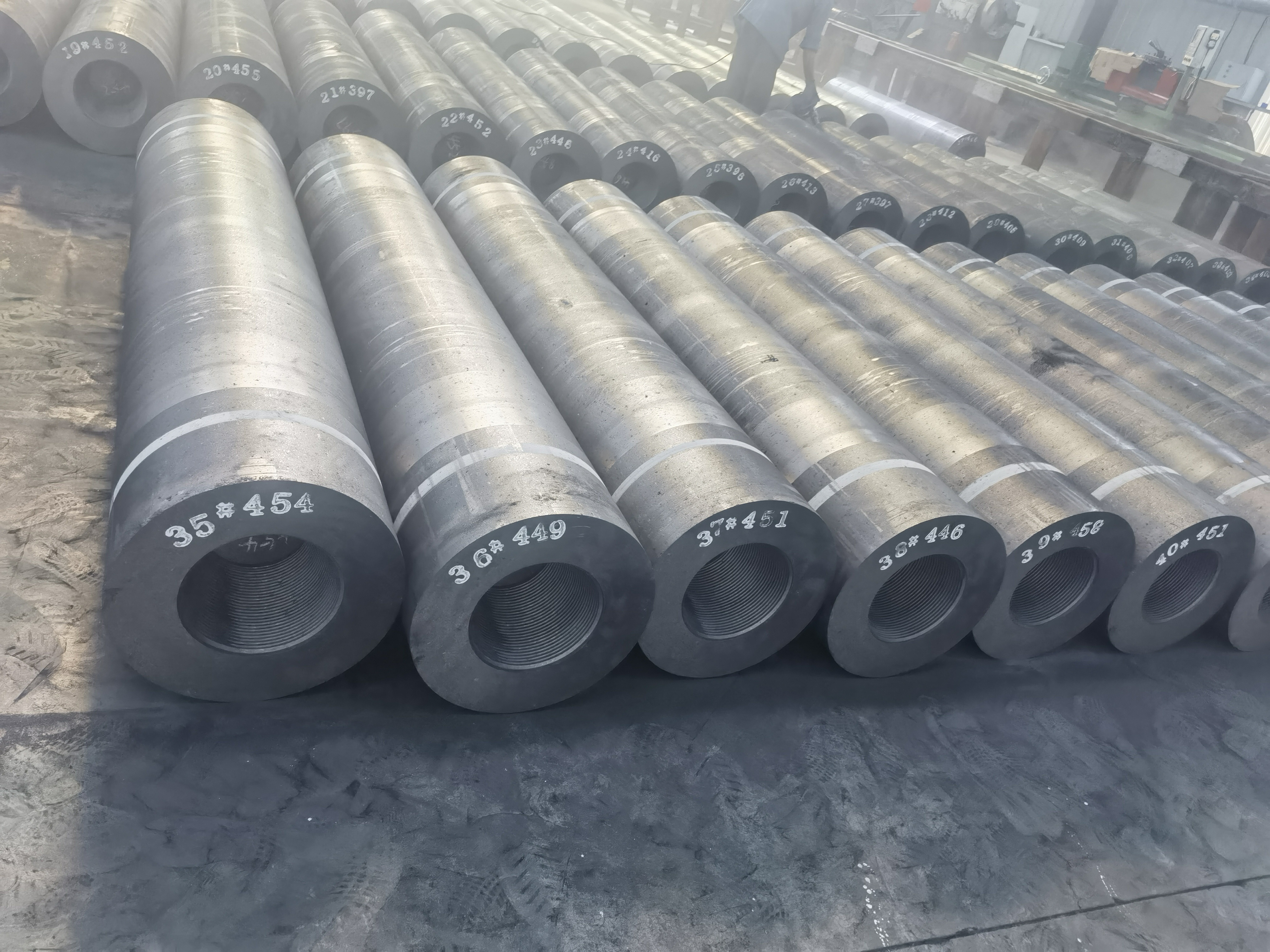
Graphite electrodes are essential components in the metallurgy sector, particularly in the production of steel and other metals through electric arc furnaces (EAF). Their unique properties, including high thermal conductivity, excellent electrical conductivity, and resistance to thermal shock, make them ideal for various high-temperature applications. The manufacturing process of graphite electrodes typically involves the baking and graphitization of petroleum coke, which ensures a high degree of purity and performance efficiency.
One of the primary applications of graphite electrodes is in EAF smelting, where they facilitate the melting of scrap steel and other metallic materials. The electric arc generated between the electrodes provides the necessary heat to achieve the high temperatures required for metal melting. This method is not only energy-efficient but also environmentally friendly, as it utilizes recycled materials, reducing the need for raw material extraction.
In addition to their application in steel production, graphite electrodes are also utilized in the production of foundry irons, non-ferrous metals, and in certain chemical processes. Their versatility stems from their ability to withstand extreme conditions while maintaining structural integrity. As industries continue to evolve, the demand for high-quality graphite electrodes has surged, leading to advancements in manufacturing techniques and material compositions.
The technological innovations surrounding graphite electrodes have also led to the development of ultra-high power (UHP) electrodes. These electrodes are designed to handle higher current densities, resulting in improved efficiency and cost-effectiveness in EAF operations. The ongoing research into alternative raw materials and improved manufacturing processes aims to enhance the performance and reduce the environmental impact of graphite electrodes.
When considering the procurement of graphite electrodes, it's essential for professionals in the metallurgy field to focus on quality assurance and supplier reliability. A thorough understanding of the specifications, including the diameter, length, and grade of the electrodes, will ensure optimal performance in operations. Engaging with suppliers who adhere to international standards can greatly influence the efficiency and effectiveness of production processes.
In conclusion, graphite electrodes play a pivotal role in the metallurgy industry, particularly in the realm of electric arc furnaces. As the industry seeks to enhance production efficiency while minimizing environmental impact, the demand for innovative graphite electrode solutions will continue to grow. By staying informed about the latest advancements and best practices, professionals can leverage the benefits of graphite electrodes to optimize their operations and meet the evolving demands of the market.
One of the primary applications of graphite electrodes is in EAF smelting, where they facilitate the melting of scrap steel and other metallic materials. The electric arc generated between the electrodes provides the necessary heat to achieve the high temperatures required for metal melting. This method is not only energy-efficient but also environmentally friendly, as it utilizes recycled materials, reducing the need for raw material extraction.
In addition to their application in steel production, graphite electrodes are also utilized in the production of foundry irons, non-ferrous metals, and in certain chemical processes. Their versatility stems from their ability to withstand extreme conditions while maintaining structural integrity. As industries continue to evolve, the demand for high-quality graphite electrodes has surged, leading to advancements in manufacturing techniques and material compositions.
The technological innovations surrounding graphite electrodes have also led to the development of ultra-high power (UHP) electrodes. These electrodes are designed to handle higher current densities, resulting in improved efficiency and cost-effectiveness in EAF operations. The ongoing research into alternative raw materials and improved manufacturing processes aims to enhance the performance and reduce the environmental impact of graphite electrodes.
When considering the procurement of graphite electrodes, it's essential for professionals in the metallurgy field to focus on quality assurance and supplier reliability. A thorough understanding of the specifications, including the diameter, length, and grade of the electrodes, will ensure optimal performance in operations. Engaging with suppliers who adhere to international standards can greatly influence the efficiency and effectiveness of production processes.
In conclusion, graphite electrodes play a pivotal role in the metallurgy industry, particularly in the realm of electric arc furnaces. As the industry seeks to enhance production efficiency while minimizing environmental impact, the demand for innovative graphite electrode solutions will continue to grow. By staying informed about the latest advancements and best practices, professionals can leverage the benefits of graphite electrodes to optimize their operations and meet the evolving demands of the market.
PREVIOUS:
Contact Us
E-mail:
Phone/WhatsApp:
+86 15711363051
Address:
Xingchuang International C912, Xinya Street No.15, Daxing District, Beijing, China



Contact
TEL: +8615711363051
EMAIL: sales@topflymaterial.com
ADD: Xingchuang International C912, Xinya Street No.15, Daxing District, Beijing, China