
Overcoming the Hurdles: Navigating the Challenges of Sourcing High Purity Graphite for Industrial Applications
May 31,2026
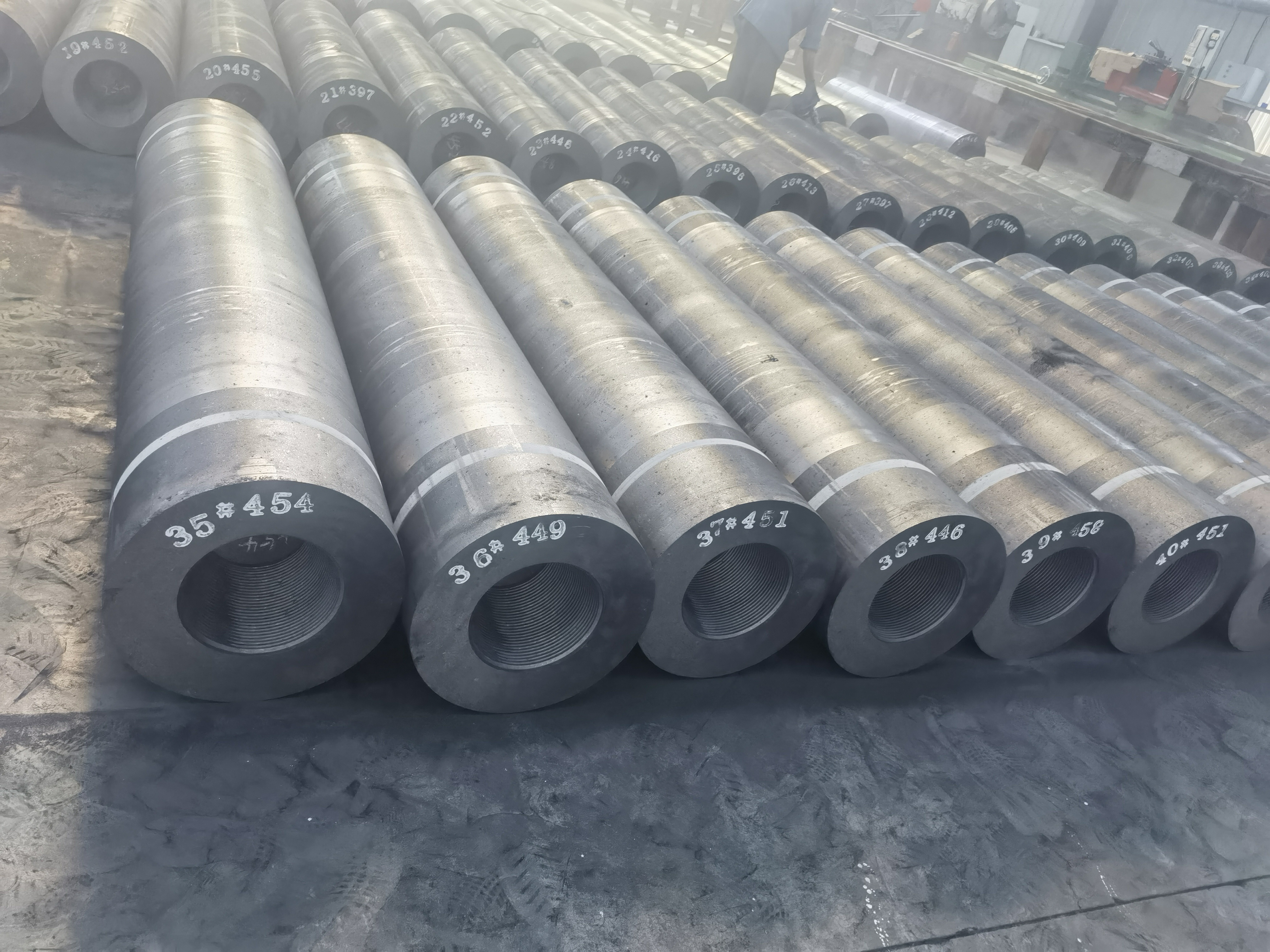
Challenges in Sourcing High Purity Graphite for Industrial Use
The demand for high purity graphite has surged in recent years, primarily driven by its applications in various industrial sectors, including batteries, lubricants, and specialized coatings. However, sourcing this crucial material presents a series of challenges that companies must navigate to maintain competitiveness in the market. In this article, we will explore the multifaceted issues surrounding the procurement of high purity graphite, detailing the implications for businesses and strategies to overcome these obstacles.
Table of Contents
- The Importance of High Purity Graphite in Industries
- Understanding High Purity Graphite: Definition and Standards
- Sourcing Challenges for High Purity Graphite
- Global Supply Chain Issues Affecting Graphite Sourcing
- Environmental Regulations and Their Impact
- Technological Advancements in Graphite Processing
- Strategies for Successfully Sourcing High Purity Graphite
- The Future Outlook for High Purity Graphite Sourcing
- FAQs About Sourcing High Purity Graphite
The Importance of High Purity Graphite in Industries
High purity graphite is integral to a multitude of industrial applications. Its unique properties, such as high thermal conductivity, electrical conductivity, and resistance to corrosion, make it indispensable in sectors like electronics, energy storage, and advanced manufacturing. The growing push for renewable energy sources and electric vehicles has further escalated the need for high-quality graphite, particularly in anodes for lithium-ion batteries. Consequently, industries are increasingly reliant on consistent and reliable sources of high purity graphite to meet production demands and maintain product integrity.
Understanding High Purity Graphite: Definition and Standards
High purity graphite typically refers to graphite that contains a minimum of 99.9% carbon content. The purity level is critical, as even minor impurities can significantly affect performance in sensitive applications. Various international standards and certifications are in place to ensure the quality of graphite, including those set by organizations like ASTM International and the International Organization for Standardization (ISO). These standards govern the testing and verification processes for graphite, ensuring that manufacturers can deliver products that meet stringent performance criteria.
Common Applications of High Purity Graphite
High purity graphite finds use in several applications, including:
- Batteries: Essential for lithium-ion battery production, primarily as an anode material.
- Electronics: Used in semiconductor manufacturing and as a thermal conductor in electronic devices.
- Lubricants: Provides non-toxic lubrication properties in various machinery operations.
- Coatings: Employed in specialized coatings for corrosion resistance and electrical conductivity.
Sourcing Challenges for High Purity Graphite
Sourcing high purity graphite is fraught with challenges that can disrupt supply chains and affect overall production. Understanding these challenges is essential for companies looking to maintain a robust supply of this critical material.
1. Limited Natural Resources
The availability of high purity graphite is limited, as it is primarily found in specific geographical locations. Major producers, such as China, Brazil, and Canada, hold significant reserves, making global supply chains heavily dependent on these regions. Disruptions caused by natural disasters, geopolitical tensions, or export restrictions can lead to significant supply shortages.
2. Quality Control Issues
Maintaining high standards of purity during the extraction and processing phases is a significant challenge. Variations in geological conditions and mining practices can lead to inconsistencies in purity levels. Ensuring a consistent supply of high purity graphite necessitates strict quality control measures, which can be costly and time-consuming.
3. Fluctuating Market Prices
The price of high purity graphite is subject to fluctuations due to changes in supply and demand dynamics. Market volatility can lead to increased costs for manufacturers, making budgeting and forecasting difficult. Companies must navigate these fluctuations and implement strategies to mitigate financial risks.
Global Supply Chain Issues Affecting Graphite Sourcing
The interconnected nature of global supply chains means that any disruption in one area can have cascading effects throughout the industry. Understanding these challenges is crucial for effective sourcing strategies.
1. Geopolitical Tensions
Geopolitical issues can lead to export restrictions or trade tariffs that affect the availability of high purity graphite. Countries may impose restrictions on natural resource exports, leading to increased prices and limited access for manufacturers in other regions.
2. Transportation and Logistics Challenges
Transportation logistics play a critical role in the graphite supply chain. Delays in shipping, increased freight costs, and compliance with international regulations can hinder the timely delivery of high purity graphite. Companies must develop robust logistics strategies to ensure continuity in their supply chains.
Environmental Regulations and Their Impact
Environmental considerations are increasingly influencing the sourcing of high purity graphite. Companies are under pressure to adopt sustainable practices, which can complicate sourcing operations.
1. Stricter Mining Regulations
As awareness of environmental impacts grows, governments are implementing stricter regulations governing mining practices. These regulations can increase operational costs and slow down production rates, impacting the overall availability of high purity graphite.
2. Demand for Sustainable Practices
Customers and regulators alike are pushing for sustainable sourcing practices. Companies must demonstrate a commitment to environmental responsibility, which may include sourcing graphite from certified sustainable mines. This shift can complicate the sourcing process and necessitate additional investments in supply chain transparency.
Technological Advancements in Graphite Processing
While challenges persist, advancements in technology are providing new opportunities to enhance the sourcing and processing of high purity graphite.
1. Innovative Extraction Techniques
The development of new extraction methods, such as advanced hydrometallurgical processes, is enabling the production of higher purity graphite with fewer environmental impacts. These methods can also enhance recovery rates, making graphite sourcing more efficient.
2. Improved Quality Control Technologies
Technological innovations in quality control, such as automated testing and real-time monitoring, are helping manufacturers ensure that the purity of graphite meets stringent standards. By implementing these technologies, companies can reduce the risk of quality inconsistencies.
Strategies for Successfully Sourcing High Purity Graphite
To navigate the complexities of sourcing high purity graphite, companies can employ several strategic approaches.
1. Building Strong Relationships with Suppliers
Developing strong relationships with reliable suppliers can help ensure consistent access to high purity graphite. Engaging in collaborative partnerships fosters trust and promotes transparency, making it easier to navigate potential disruptions.
2. Diversifying Supply Sources
Relying on a single source for high purity graphite can be risky. Companies should consider diversifying their supply base to mitigate risks associated with geopolitical tensions or natural disasters. Sourcing from multiple regions can enhance supply chain stability.
3. Investing in Sustainable Practices
By prioritizing sustainability in sourcing practices, companies can align with industry trends and regulatory demands. Investing in eco-friendly mining operations and transparency initiatives can bolster brand reputation and customer loyalty.
The Future Outlook for High Purity Graphite Sourcing
The future of high purity graphite sourcing will likely be shaped by ongoing advancements in technology, changing market dynamics, and evolving consumer expectations. As demand for high purity graphite continues to rise, industry players will need to adapt to new challenges and opportunities to maintain a competitive edge.
FAQs About Sourcing High Purity Graphite
1. What is high purity graphite used for?
High purity graphite is primarily used in batteries, electronics, lubricants, and specialized coatings due to its superior thermal and electrical conductivity.
2. How is high purity graphite extracted?
High purity graphite is extracted through mining methods, followed by processing techniques that enhance purity, such as flotation and chemical treatment.
3. What are the main challenges in sourcing high purity graphite?
Challenges include limited natural resources, quality control issues, fluctuating market prices, geopolitical tensions, and environmental regulations.
4. How can companies ensure a stable supply of high purity graphite?
Companies can build strong supplier relationships, diversify their supply sources, and invest in sustainable practices to ensure a stable supply.
5. What future trends should we expect in the graphite market?
Expect to see advancements in extraction technology, increased demand for sustainable sourcing, and greater emphasis on quality control as industries evolve.
Conclusion
Sourcing high purity graphite for industrial use is a complex endeavor fraught with challenges ranging from supply chain disruptions to stringent environmental regulations. Companies must navigate these intricacies with robust strategies, including building strong supplier relationships, diversifying sourcing channels, and investing in innovative processing technologies. By proactively addressing these challenges, businesses can position themselves for success in an increasingly competitive market. The future of high purity graphite sourcing holds promise as technological advancements and sustainable practices reshape the landscape, ensuring that industries can meet the growing demand for this indispensable material.
Contact Us
E-mail:
Phone/WhatsApp:
+86 15711363051
Address:
Xingchuang International C912, Xinya Street No.15, Daxing District, Beijing, China



Contact
TEL: +8615711363051
EMAIL: sales@topflymaterial.com
ADD: Xingchuang International C912, Xinya Street No.15, Daxing District, Beijing, China