
Understanding the Manufacturing of Graphite Boats for Industrial Use
May 23,2026
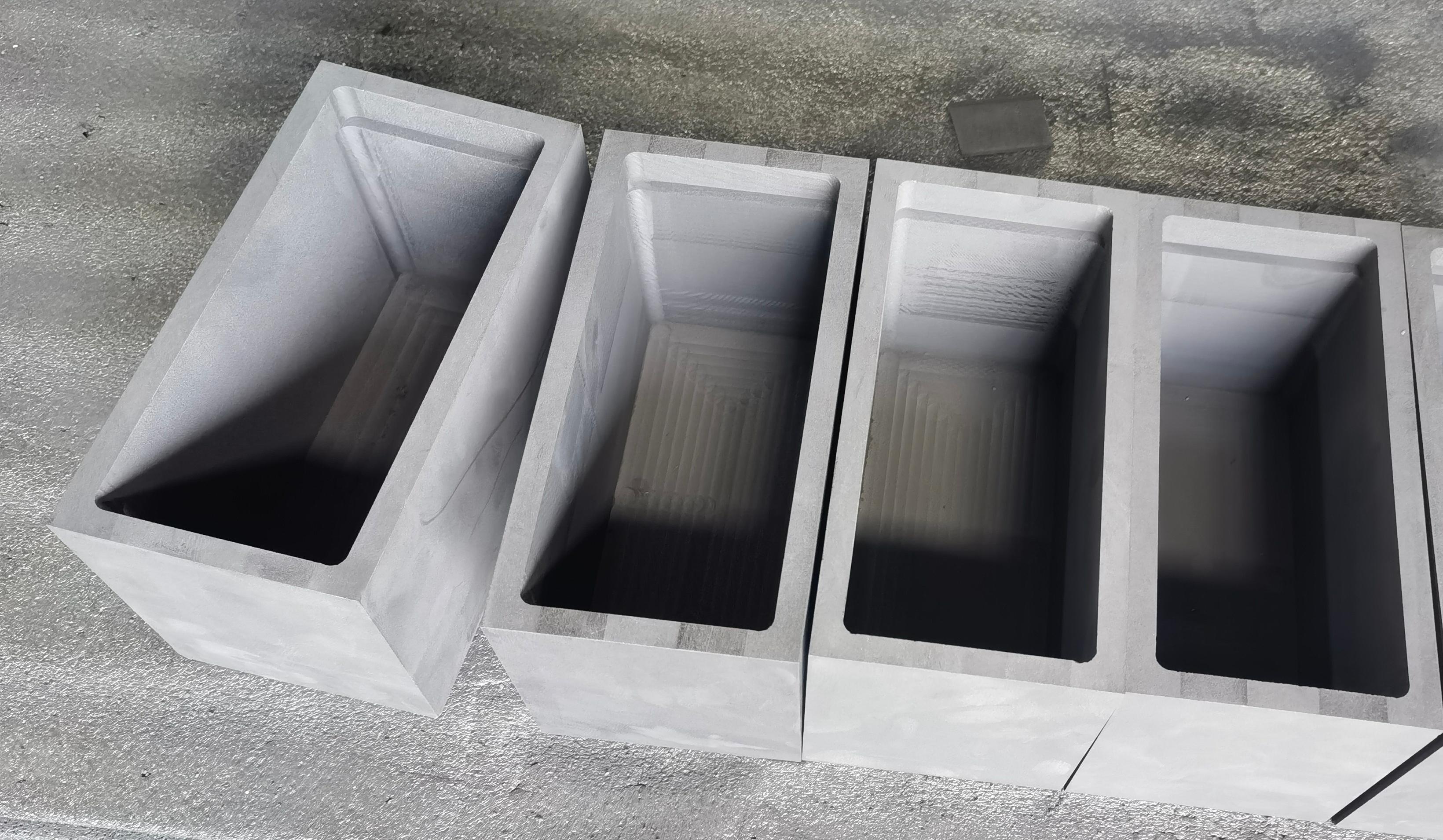
Understanding the Manufacturing of Graphite Boats for Industrial Use
Graphite boats have become indispensable in various industrial applications, particularly in metallurgy, electronics, and high-temperature processes. As the demand for efficient and durable materials grows, understanding the manufacturing process of graphite boats becomes crucial for industries looking to optimize their operations. This article aims to provide a comprehensive overview of the manufacturing of graphite boats, exploring every aspect from raw materials to production techniques, and the advancements shaping the future of these products.
Table of Contents
- 1. Introduction to Graphite Boats
- 2. Raw Materials in Graphite Boat Manufacturing
- 3. The Manufacturing Process of Graphite Boats
- 4. Design Considerations for Graphite Boats
- 5. Applications of Graphite Boats in Various Industries
- 6. Benefits of Using Graphite Boats
- 7. Innovations in Graphite Boat Manufacturing
- 8. Future Trends in Graphite Boat Production
- 9. Frequently Asked Questions
- 10. Conclusion
1. Introduction to Graphite Boats
Graphite boats are specialized containers designed to hold and transport materials at high temperatures. Their ability to withstand extreme conditions makes them a favored choice in industries such as metallurgy and semiconductor manufacturing. The unique properties of graphite, including thermal conductivity, chemical resistance, and mechanical strength, contribute to the effectiveness of graphite boats in various applications.
2. Raw Materials in Graphite Boat Manufacturing
The production of graphite boats begins with high-quality raw materials. The primary materials used in the manufacturing process include:
2.1 Natural Graphite
Natural graphite, derived from mining, is the most common material used in the construction of graphite boats. It is available in several forms, including flake, amorphous, and lump graphite, each with distinct properties suitable for different applications.
2.2 Synthetic Graphite
Synthetic graphite is produced from petroleum coke and has a higher purity level than natural graphite. This material is often used in applications requiring exceptional performance under extreme conditions.
2.3 Additives and Binders
To enhance the mechanical properties and thermal stability of graphite boats, manufacturers often incorporate various additives and binders. These substances improve the material's strength and resistance to thermal shock, ensuring durability during use.
3. The Manufacturing Process of Graphite Boats
The manufacturing process of graphite boats involves several key steps that ensure the final product meets the required specifications for quality and performance.
3.1 Material Preparation
The first step in the manufacturing process is the preparation of raw materials. This involves grinding and milling the graphite to achieve the desired particle size, followed by mixing the graphite with additives and binders to create a homogeneous blend.
3.2 Molding
Once the material is prepared, it is shaped into the desired form using various molding techniques. Common methods include:
3.2.1 Compression Molding
In compression molding, the blended material is placed in a mold and subjected to high pressure. This process ensures uniform density and strength throughout the graphite boat.
3.2.2 Extrusion
Extrusion involves forcing the material through a die to create long, continuous shapes. This method is ideal for producing complex geometries and allows for greater design flexibility.
3.3 Baking and Sintering
After molding, the graphite boats undergo a baking process, where they are heated to high temperatures in a controlled environment. This step removes volatile substances and helps to bond the material components together, enhancing the overall strength of the boats.
Following baking, a sintering process may be employed. Sintering involves heating the graphite to temperatures just below its melting point, allowing the particles to bond further and improve the structural integrity of the final product.
3.4 Machining and Finishing
Once the baking and sintering processes are complete, the graphite boats are machined to achieve precise dimensions and surface finishes. This step may involve grinding, cutting, or polishing, depending on the specific requirements of the application.
4. Design Considerations for Graphite Boats
When designing graphite boats, several factors must be taken into account to ensure optimal performance:
4.1 Size and Shape
The size and shape of the graphite boat should match the intended application. Custom designs may be necessary to accommodate specific equipment or processes.
4.2 Thermal Conductivity
Thermal conductivity is a crucial factor in the design of graphite boats, particularly when used in high-temperature applications. The correct material selection and design must ensure adequate heat dissipation without compromising structural integrity.
4.3 Chemical Resistance
Graphite boats must resist corrosion and chemical reactions with the materials they hold. Understanding the chemical properties of both the graphite and the materials being processed is essential for successful design.
5. Applications of Graphite Boats in Various Industries
Graphite boats find applications across multiple industries due to their unique properties. Some of the primary sectors utilizing graphite boats include:
5.1 Metallurgy
In metallurgy, graphite boats are used for melting and casting metals. Their resistance to high temperatures and chemical reactions makes them ideal for working with molten metals.
5.2 Electronics
In the electronics industry, graphite boats are employed in the production of semiconductors and photovoltaic cells. Their thermal conductivity ensures efficient heat management during manufacturing processes.
5.3 Aerospace
Aerospace applications benefit from the lightweight and high-strength characteristics of graphite boats. They are used in various components, including heat shields and thermal protection systems.
5.4 Energy Production
In energy production, graphite boats are utilized in the manufacturing of fuel cells and batteries, where their properties contribute to improved performance and longevity.
6. Benefits of Using Graphite Boats
The use of graphite boats offers several advantages:
6.1 High Thermal Stability
Graphite boats can withstand extreme temperatures without degrading, making them suitable for high-temperature applications.
6.2 Lightweight and Durable
Graphite is significantly lighter than metals, reducing the overall weight of equipment while maintaining strength and durability.
6.3 Chemical Inertness
The chemical inertness of graphite ensures that the boats do not react with the materials they hold, preserving the integrity and quality of the processed substances.
6.4 Cost-Effectiveness
While the initial costs may be higher than other materials, the longevity and performance of graphite boats lead to reduced operational costs over time.
7. Innovations in Graphite Boat Manufacturing
The graphite boat manufacturing industry is continually evolving, with several innovations enhancing production methods and product performance:
7.1 Advanced Materials
Researchers are exploring the use of composite materials that combine graphite with other elements to improve performance further. These materials may offer enhanced thermal stability and chemical resistance.
7.2 Automation and Smart Manufacturing
The integration of automation and smart technologies in the manufacturing process allows for greater efficiency and precision. Automated systems can monitor production parameters in real-time, ensuring consistency and quality.
7.3 Sustainable Practices
Sustainability is becoming increasingly important in manufacturing. Companies are exploring eco-friendly methods for sourcing materials and reducing waste during production.
8. Future Trends in Graphite Boat Production
The future of graphite boat manufacturing is promising, with several trends expected to shape the industry:
8.1 Customization
With the growing demand for specialized applications, customization will become a significant trend in graphite boat production. Manufacturers will increasingly tailor products to meet specific customer needs.
8.2 Enhanced Performance Metrics
As industries demand higher performance, manufacturers will focus on improving the thermal and mechanical properties of graphite boats through advanced production techniques and material science.
8.3 Global Market Expansion
As the applications of graphite boats expand globally, new markets will emerge, particularly in developing regions. Manufacturers will need to adapt their strategies to penetrate these markets successfully.
9. Frequently Asked Questions
9.1 What are graphite boats used for?
Graphite boats are primarily used for holding and transporting materials at high temperatures in industries such as metallurgy, electronics, and aerospace.
9.2 How are graphite boats manufactured?
Graphite boats are manufactured through a series of processes, including material preparation, molding, baking, sintering, and machining.
9.3 What materials are used in graphite boat production?
The main materials are natural and synthetic graphite, along with various additives and binders to enhance performance.
9.4 What are the benefits of using graphite boats over metal containers?
Graphite boats offer several advantages, including high thermal stability, lightweight properties, chemical inertness, and cost-effectiveness over time.
9.5 What is the future of graphite boat manufacturing?
The future includes trends like customization, enhanced performance metrics, and global market expansion, driven by the increasing demand for specialized applications.
10. Conclusion
Understanding the manufacturing process of graphite boats is essential for industries relying on high-performance materials. From raw material selection to production techniques, every step plays a crucial role in ensuring the quality and effectiveness of these vital components. As advancements in technology and materials continue to evolve, the future of graphite boat manufacturing looks promising, with increased customization and improved performance metrics leading the way. By keeping abreast of these developments, industries can optimize their operations and harness the full potential of graphite boats in their applications.
Contact Us
E-mail:
Phone/WhatsApp:
+86 15711363051
Address:
Xingchuang International C912, Xinya Street No.15, Daxing District, Beijing, China



Contact
TEL: +8615711363051
EMAIL: sales@topflymaterial.com
ADD: Xingchuang International C912, Xinya Street No.15, Daxing District, Beijing, China