
Exploring the Versatile Applications of Molded Graphite in the Aerospace Industry
May 14,2026
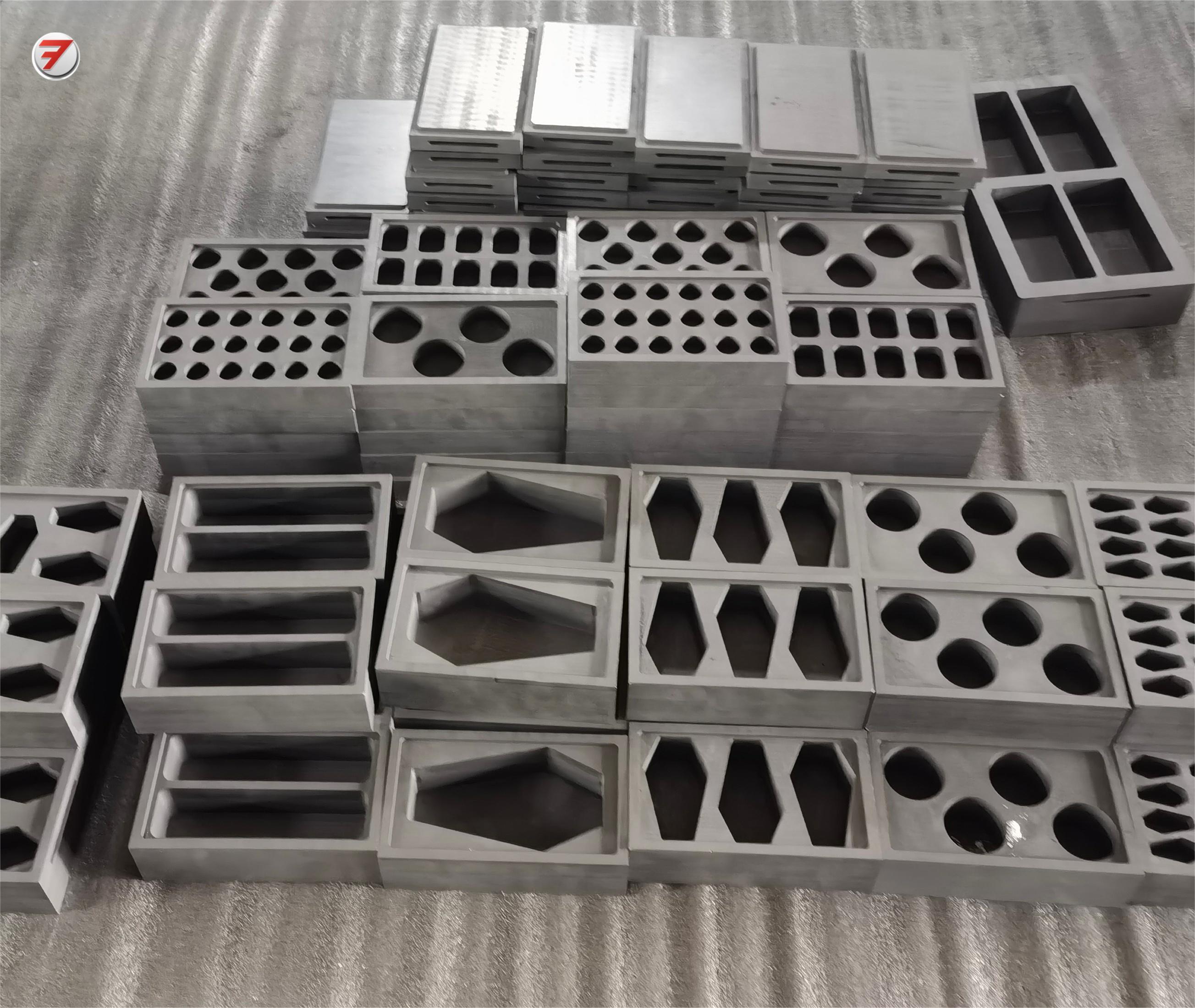
Introduction to Molded Graphite in Aerospace
Graphite has long been recognized for its unique properties, making it an invaluable material in various industries. In the aerospace sector, **molded graphite** is gaining traction for its exceptional mechanical strength, lightweight nature, and thermal resistance. This article aims to explore the diverse applications of molded graphite in aerospace, highlighting its benefits, manufacturing processes, and future innovations.
Understanding Molded Graphite: Properties and Composition
To appreciate the applications of molded graphite in the aerospace industry, it's essential to understand its properties and composition.
The Composition of Molded Graphite
Molded graphite is primarily composed of carbon, which can be manipulated during the manufacturing process to achieve desired properties. The material generally consists of fine graphite particles compressed into a mold and subjected to high temperatures to enhance its structural integrity.
Key Properties of Molded Graphite
Molded graphite boasts several key properties that make it an ideal choice for aerospace applications:
- **High Thermal Conductivity**: Molded graphite efficiently dissipates heat, making it suitable for components exposed to high temperatures.
- **Electrical Conductivity**: Its excellent electrical conductivity is beneficial for various aerospace electronic applications.
- **Low Density**: The lightweight nature of molded graphite helps reduce the overall weight of aircraft, leading to improved fuel efficiency.
- **Resistance to Oxidation**: Molded graphite can withstand harsh environments, making it suitable for critical aerospace components.
Applications of Molded Graphite in the Aerospace Industry
Molded graphite's unique properties enable diverse applications within the aerospace industry. Here are some of the most prominent uses:
1. Heat Shields and Thermal Protection Systems
Molded graphite is utilized in the fabrication of heat shields and thermal protection systems. These components protect spacecraft and aircraft from extreme temperatures during re-entry or high-speed flight. The material's high thermal resistance and conductivity make it an ideal choice for these critical applications.
2. Bearings and Seals
In aerospace engines, molded graphite is often used for bearings and seals due to its low friction properties and durability. These components ensure smooth operation and reduce wear, which is crucial for maintaining engine efficiency and longevity.
3. Electrical Components
Molded graphite's excellent electrical conductivity allows it to be used in various electrical components, such as connectors and conductive pads. These components are essential for electronic systems in modern aircraft, contributing to their functionality and safety.
4. Structural Components
The aerospace industry increasingly relies on molded graphite for structural components, such as brackets and supports. The lightweight nature of molded graphite helps reduce overall aircraft weight, resulting in significant fuel savings.
5. Rocket Nozzles and Components
Molded graphite is used in manufacturing rocket nozzles due to its ability to withstand extreme temperatures and stresses. Its high strength-to-weight ratio enhances the performance and efficiency of rockets.
Manufacturing Processes of Molded Graphite
The manufacturing of molded graphite involves several steps to achieve the desired properties and specifications.
1. Material Selection
Choosing the right type of graphite powder is critical. Different grades of graphite offer varying properties, and the selection depends on the specific requirements of the aerospace application.
2. Molding Process
The graphite powder is mixed with a binding agent and placed in a mold. The mixture is subjected to high pressure to form the desired shape.
3. Heat Treatment
After molding, the component undergoes heat treatment, typically at temperatures exceeding 2000 degrees Celsius. This process enhances the material's strength and thermal properties.
4. Finishing Processes
Finally, the molded graphite components undergo finishing processes, such as machining or surface treatments, to meet precise specifications and tolerances required in aerospace applications.
Advantages of Using Molded Graphite in Aerospace
The benefits of molded graphite in the aerospace industry are manifold:
1. Weight Reduction
By incorporating molded graphite, aerospace manufacturers can significantly reduce component weight, which is essential for improving fuel efficiency and overall aircraft performance.
2. Enhanced Durability
Molded graphite components exhibit excellent wear resistance and longevity, reducing maintenance needs and operational costs over time.
3. Thermal Stability
The high thermal stability of molded graphite enables it to perform reliably in extreme temperature conditions, ensuring the safety and functionality of aerospace vehicles.
4. Cost-Effectiveness
Although the initial investment in molded graphite components may be higher, their durability and reduced maintenance requirements ultimately lead to lower lifecycle costs.
Challenges in the Adoption of Molded Graphite
Despite its many advantages, there are challenges associated with the widespread adoption of molded graphite in aerospace:
1. Manufacturing Complexity
The manufacturing processes involved in producing molded graphite components can be complex and require specialized equipment, leading to higher production costs.
2. Competition from Alternative Materials
Molded graphite faces competition from other materials such as metal alloys, composites, and ceramics, which may offer comparable or superior properties for specific applications.
3. Limited Awareness and Acceptance
There is still a level of skepticism and lack of awareness regarding the potential of molded graphite in aerospace, which can impede its adoption by some manufacturers.
Future Trends in Molded Graphite Applications
As technology advances, the future of molded graphite in the aerospace industry looks promising. Here are some potential trends to watch:
1. Increased Research and Development
Ongoing research into the properties and applications of molded graphite will likely lead to innovative uses and improved manufacturing techniques.
2. Integration with Advanced Manufacturing Technologies
The integration of molded graphite with advanced manufacturing processes, such as additive manufacturing and automation, will enhance efficiency and precision in production.
3. Sustainability Initiatives
With the aerospace industry focusing on sustainability, molded graphite's lightweight and energy-efficient properties will play a vital role in the development of eco-friendly aircraft.
FAQs about Molded Graphite in Aerospace
1. What is molded graphite?
Molded graphite is a form of carbon that is compressed into specific shapes and heat-treated to enhance its properties, making it suitable for various industrial applications, including aerospace.
2. Why is molded graphite used in aerospace?
Molded graphite is used in aerospace due to its lightweight nature, high thermal resistance, electrical conductivity, and durability, making it ideal for critical components in aircraft and spacecraft.
3. What are the main applications of molded graphite in aerospace?
Molded graphite is primarily used in heat shields, bearings, seals, electrical components, structural components, and rocket nozzles.
4. What are the benefits of using molded graphite instead of metals?
Molded graphite offers advantages such as reduced weight, enhanced thermal stability, lower friction, and improved wear resistance compared to traditional metals.
5. What challenges does molded graphite face in the aerospace industry?
Challenges include the complexity of manufacturing processes, competition from alternative materials, and limited awareness of its benefits among aerospace manufacturers.
Conclusion
Molded graphite is emerging as a critical material in the aerospace industry, thanks to its unique properties and versatile applications. From heat shields and bearings to structural components and rocket nozzles, molded graphite is proving to be indispensable in enhancing the performance and safety of aerospace vehicles. As technology continues to evolve, the future of molded graphite in this sector looks bright, with increased research and development paving the way for innovative applications. Embracing the potential of molded graphite will undoubtedly contribute to the advancement of aerospace engineering and the development of more efficient, high-performing aircraft and spacecraft.
Contact Us
E-mail:
Phone/WhatsApp:
+86 15711363051
Address:
Xingchuang International C912, Xinya Street No.15, Daxing District, Beijing, China



Contact
TEL: +8615711363051
EMAIL: sales@topflymaterial.com
ADD: Xingchuang International C912, Xinya Street No.15, Daxing District, Beijing, China