
Understanding Isostatic Graphite: Properties, Applications, and Benefits
May 06,2026
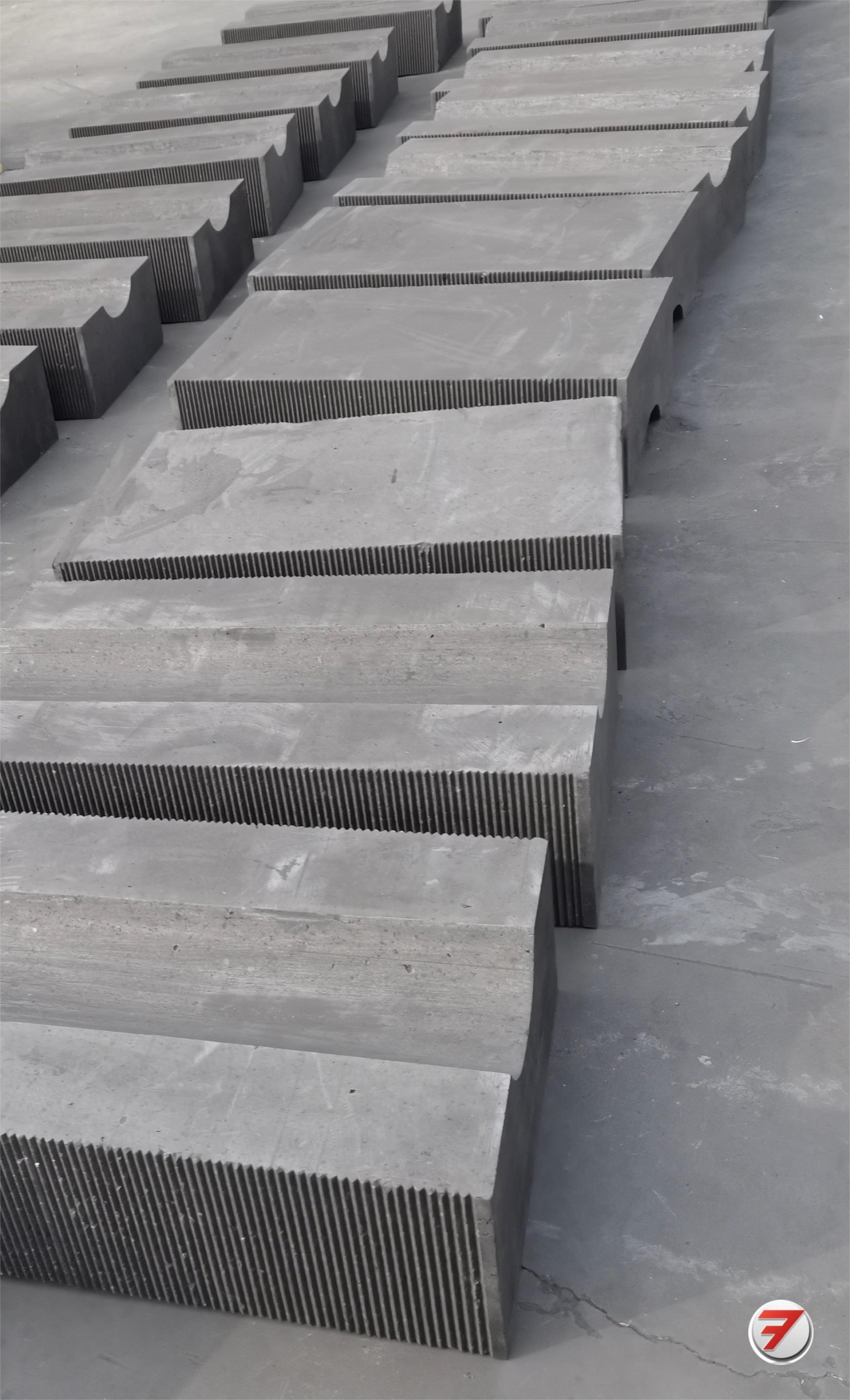
Isostatic graphite is a high-performance form of graphite that is produced through an isostatic pressing process. This method involves applying uniform pressure in all directions to the graphite material, resulting in a product that possesses superior density, uniformity, and mechanical properties compared to conventional graphite. These characteristics make isostatic graphite an essential material in various applications, especially in the metallurgical and energy sectors.
The unique properties of isostatic graphite include excellent thermal conductivity, high resistance to thermal shock, and superior corrosion resistance. These features make it an ideal choice for applications that require materials to withstand extreme conditions, such as high temperatures and aggressive chemical environments. Moreover, isostatic graphite exhibits excellent machining capabilities, allowing for the creation of intricate shapes and fine details, which is particularly beneficial in industries that require precision components.
In metallurgy, isostatic graphite is widely used in the manufacturing of electrodes for electric arc furnaces and in the production of molds and dies. Its high thermal conductivity helps in efficient heat distribution, which is crucial during the melting and casting processes. Additionally, its resistance to oxidation at elevated temperatures makes it a reliable choice for applications involving molten metals.
In the energy sector, isostatic graphite is utilized in the production of nuclear reactor components, such as moderator blocks and control rods. Its ability to perform under high radiation conditions and its low neutron absorption cross-section make it an ideal material for nuclear applications. Furthermore, isostatic graphite is also used in the development of advanced batteries and fuel cells, where its conductive properties enhance energy efficiency.
Another significant advantage of isostatic graphite is its lightweight nature combined with high mechanical strength. This combination is particularly beneficial in applications where reducing weight is critical, such as in aerospace and automotive industries. Additionally, isostatic graphite’s resistance to wear and deformation extends the lifespan of components, leading to reduced maintenance costs and increased operational efficiency.
In conclusion, isostatic graphite is a versatile and high-performance material that plays a crucial role in various industries, particularly in metallurgy and energy. Its unique properties, including excellent thermal and chemical resistance, precise machinability, and lightweight strength, make it an invaluable asset in advanced manufacturing processes. Understanding these features can help businesses leverage the benefits of isostatic graphite for enhanced productivity and efficiency in their operations.
The unique properties of isostatic graphite include excellent thermal conductivity, high resistance to thermal shock, and superior corrosion resistance. These features make it an ideal choice for applications that require materials to withstand extreme conditions, such as high temperatures and aggressive chemical environments. Moreover, isostatic graphite exhibits excellent machining capabilities, allowing for the creation of intricate shapes and fine details, which is particularly beneficial in industries that require precision components.
In metallurgy, isostatic graphite is widely used in the manufacturing of electrodes for electric arc furnaces and in the production of molds and dies. Its high thermal conductivity helps in efficient heat distribution, which is crucial during the melting and casting processes. Additionally, its resistance to oxidation at elevated temperatures makes it a reliable choice for applications involving molten metals.
In the energy sector, isostatic graphite is utilized in the production of nuclear reactor components, such as moderator blocks and control rods. Its ability to perform under high radiation conditions and its low neutron absorption cross-section make it an ideal material for nuclear applications. Furthermore, isostatic graphite is also used in the development of advanced batteries and fuel cells, where its conductive properties enhance energy efficiency.
Another significant advantage of isostatic graphite is its lightweight nature combined with high mechanical strength. This combination is particularly beneficial in applications where reducing weight is critical, such as in aerospace and automotive industries. Additionally, isostatic graphite’s resistance to wear and deformation extends the lifespan of components, leading to reduced maintenance costs and increased operational efficiency.
In conclusion, isostatic graphite is a versatile and high-performance material that plays a crucial role in various industries, particularly in metallurgy and energy. Its unique properties, including excellent thermal and chemical resistance, precise machinability, and lightweight strength, make it an invaluable asset in advanced manufacturing processes. Understanding these features can help businesses leverage the benefits of isostatic graphite for enhanced productivity and efficiency in their operations.
Contact Us
E-mail:
Phone/WhatsApp:
+86 15711363051
Address:
Xingchuang International C912, Xinya Street No.15, Daxing District, Beijing, China



Contact
TEL: +8615711363051
EMAIL: sales@topflymaterial.com
ADD: Xingchuang International C912, Xinya Street No.15, Daxing District, Beijing, China