
Exploring Isostatic Graphite: Properties, Applications, and Benefits in the Metallurgy and Energy Industries
Mar 25,2026
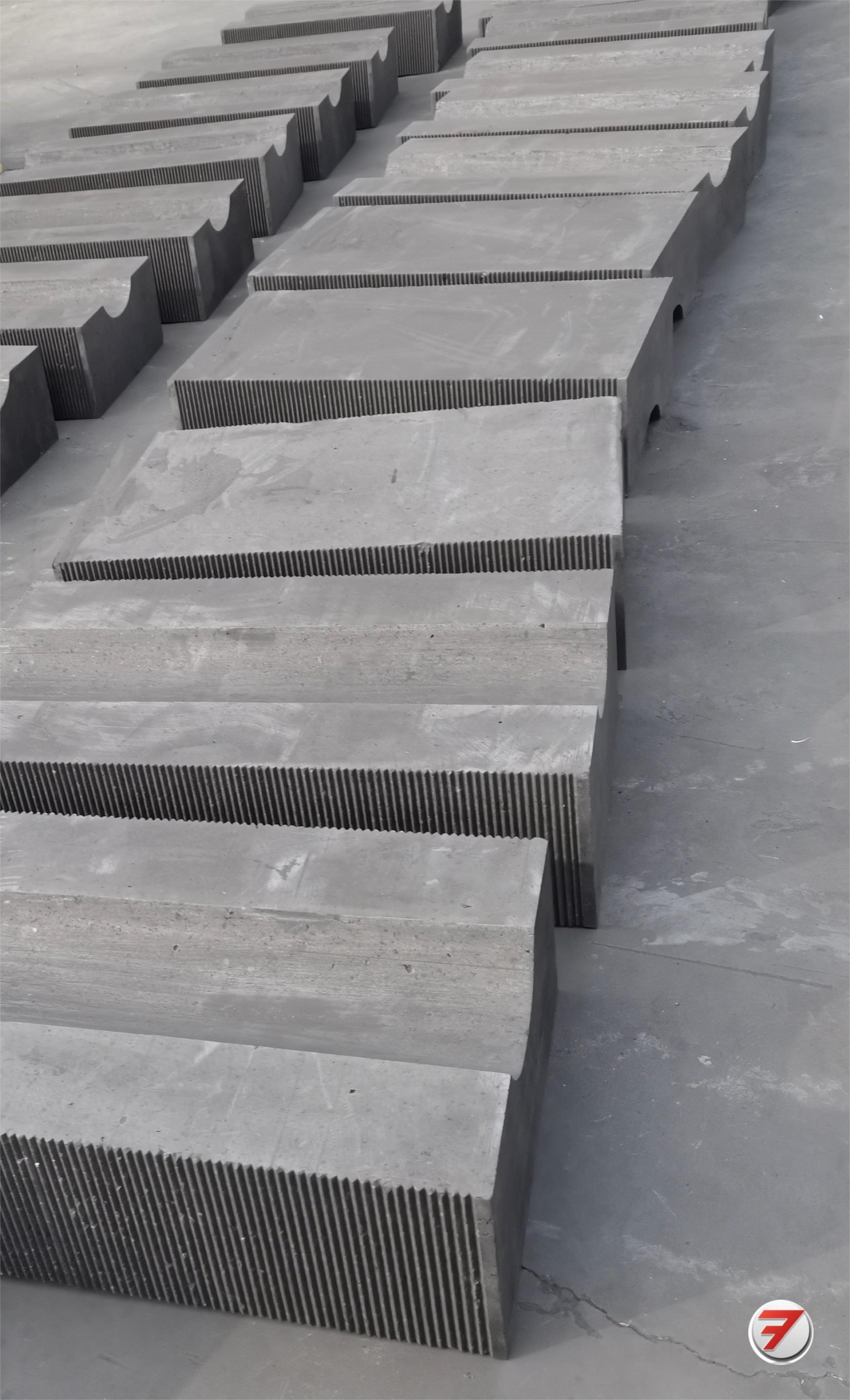
Isostatic graphite, often referred to as isotropic graphite, is a high-purity carbon material produced through a specialized process that involves the application of isostatic pressure during manufacturing. This process ensures that the graphite possesses a uniform structure, resulting in outstanding mechanical and thermal properties. The unique characteristics of isostatic graphite make it a preferred choice in several applications within the metallurgy, mineral, and energy sectors.
One of the primary benefits of isostatic graphite is its exceptional thermal conductivity. This property is particularly valuable in industries where heat management is critical. In metallurgical applications, isostatic graphite is often utilized in the production of electrodes for electric arc furnaces, where efficient heat transfer is essential for melting metals. The ability to withstand high temperatures without deforming or degrading makes isostatic graphite a superior choice for these demanding environments.
Furthermore, isostatic graphite exhibits excellent chemical resistance, which is crucial in various metallurgical processes. Its stability in harsh chemical environments helps reduce wear and prolong the lifespan of components, especially those subjected to corrosive substances. This durability not only enhances operational efficiency but also minimizes maintenance costs over time.
Another significant advantage of isostatic graphite is its machinability. Due to its homogenous structure, it can be easily machined into complex shapes with high precision. This property is especially beneficial in creating specialized components and tooling for various applications, including molds and dies used in the production of non-metallic mineral products.
In the energy sector, isostatic graphite plays a vital role in nuclear applications. Its ability to moderate neutrons and withstand radiation makes it suitable for use in nuclear reactors, particularly in the production of fuel elements and reactor components. Additionally, its lightweight and high strength-to-weight ratio contribute to improved efficiency in energy applications.
As industries continue to seek advanced materials that can meet rigorous performance standards, isostatic graphite stands out as a versatile solution. Its combination of thermal conductivity, chemical resistance, and machinability allows it to cater to a wide range of applications in metallurgy and energy.
In conclusion, isostatic graphite is an invaluable material in the metallurgy and energy sectors due to its unique properties and versatility. Understanding the advantages of isostatic graphite can empower professionals to leverage its benefits in their operations, ultimately leading to enhanced efficiency and performance in industrial applications.
One of the primary benefits of isostatic graphite is its exceptional thermal conductivity. This property is particularly valuable in industries where heat management is critical. In metallurgical applications, isostatic graphite is often utilized in the production of electrodes for electric arc furnaces, where efficient heat transfer is essential for melting metals. The ability to withstand high temperatures without deforming or degrading makes isostatic graphite a superior choice for these demanding environments.
Furthermore, isostatic graphite exhibits excellent chemical resistance, which is crucial in various metallurgical processes. Its stability in harsh chemical environments helps reduce wear and prolong the lifespan of components, especially those subjected to corrosive substances. This durability not only enhances operational efficiency but also minimizes maintenance costs over time.
Another significant advantage of isostatic graphite is its machinability. Due to its homogenous structure, it can be easily machined into complex shapes with high precision. This property is especially beneficial in creating specialized components and tooling for various applications, including molds and dies used in the production of non-metallic mineral products.
In the energy sector, isostatic graphite plays a vital role in nuclear applications. Its ability to moderate neutrons and withstand radiation makes it suitable for use in nuclear reactors, particularly in the production of fuel elements and reactor components. Additionally, its lightweight and high strength-to-weight ratio contribute to improved efficiency in energy applications.
As industries continue to seek advanced materials that can meet rigorous performance standards, isostatic graphite stands out as a versatile solution. Its combination of thermal conductivity, chemical resistance, and machinability allows it to cater to a wide range of applications in metallurgy and energy.
In conclusion, isostatic graphite is an invaluable material in the metallurgy and energy sectors due to its unique properties and versatility. Understanding the advantages of isostatic graphite can empower professionals to leverage its benefits in their operations, ultimately leading to enhanced efficiency and performance in industrial applications.
PREVIOUS:
Contact Us
E-mail:
Phone/WhatsApp:
+86 15711363051
Address:
Xingchuang International C912, Xinya Street No.15, Daxing District, Beijing, China



Contact
TEL: +8615711363051
EMAIL: sales@topflymaterial.com
ADD: Xingchuang International C912, Xinya Street No.15, Daxing District, Beijing, China