
Understanding Graphite Electrode: A Key Component in Metallurgical Processes
Feb 23,2026
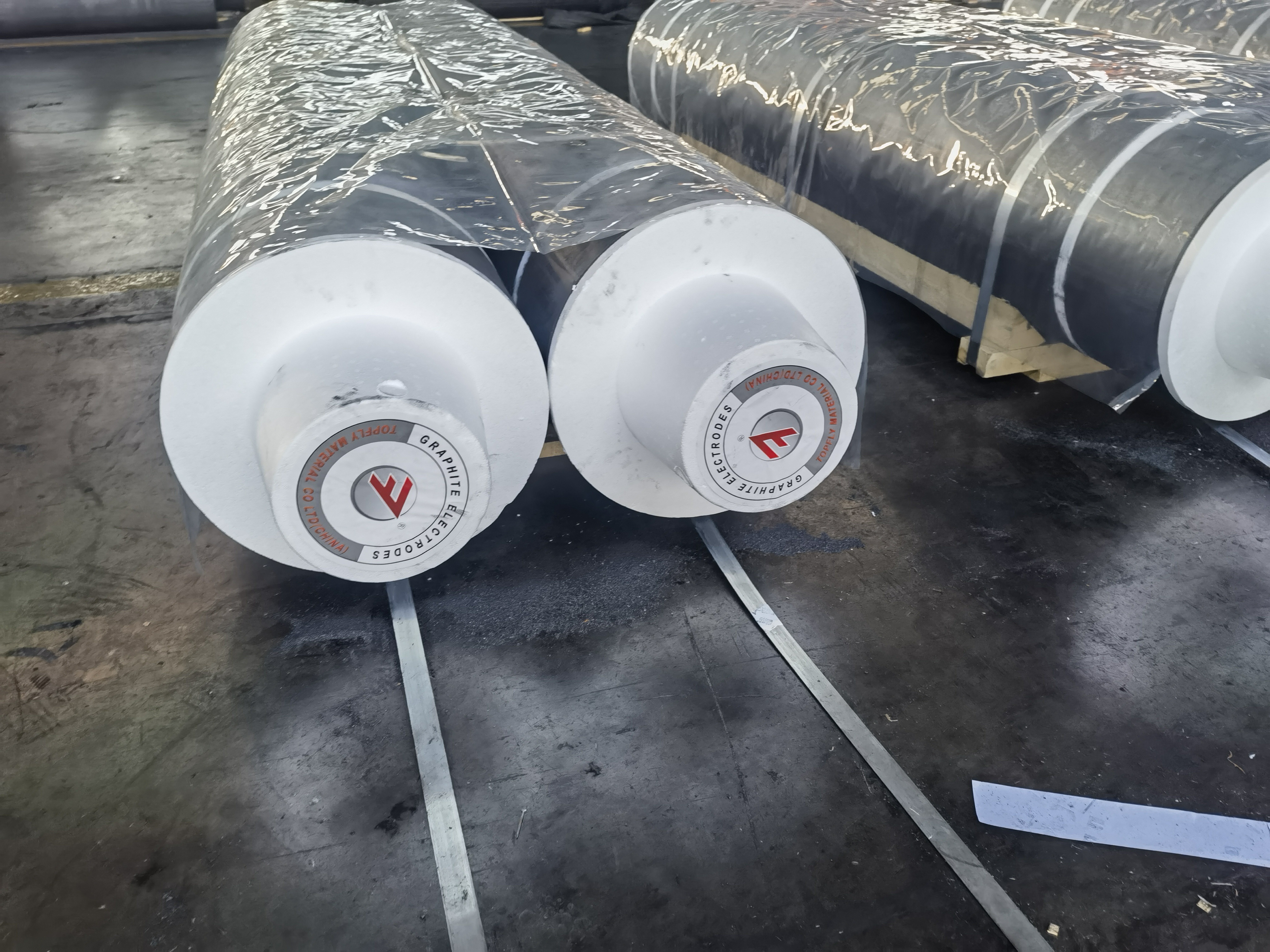
Graphite electrodes play a crucial role in the metallurgy and energy industries, particularly within the non-metal mineral products sector. These electrodes are primarily used in electric arc furnaces (EAFs) for steel production, serving as a conductor of electricity that generates the high temperatures necessary for melting scrap steel and other materials. Understanding the properties and advantages of graphite electrodes can aid businesses in optimizing their operations and ensuring efficient production processes.
One of the key characteristics of graphite electrodes is their excellent electrical conductivity. This property enables efficient energy transfer, which is essential for heating materials in the EAF. The high thermal resistance of graphite also allows these electrodes to withstand extreme temperatures without degrading, thereby enhancing their longevity and reducing the frequency of replacement. Graphite electrodes are manufactured from high-quality petroleum needle coke, which contributes to their superior performance in demanding environments.
The performance of graphite electrodes can be influenced by several factors, including the quality of the raw materials used in their production, the manufacturing process, and the specific application in which they are employed. For instance, electrodes intended for use in high-power EAFs require a different composition and structure compared to those used in smaller furnaces. It is essential for companies to select the right type of electrode based on their specific operational needs to maximize efficiency and minimize costs.
Another noteworthy aspect of graphite electrodes is their ability to handle varying loads during operation. This adaptability makes them suitable for different metallurgical processes, including the production of specialty steel grades, which require precise temperature control and energy management. Additionally, advancements in electrode technology, such as the development of ultra-high power (UHP) electrodes, have further expanded their applications, allowing for greater operational flexibility and enhanced performance in modern steelmaking.
In conclusion, graphite electrodes are indispensable in the field of metallurgy, particularly for steel production in electric arc furnaces. Their unique properties, including high electrical conductivity and thermal resistance, enable efficient energy transfer and prolonged service life. By understanding the characteristics and applications of graphite electrodes, businesses can make informed decisions that enhance their productivity and competitiveness in the non-metal mineral products sector. As the industry continues to evolve, staying updated on innovations and best practices related to graphite electrodes will be vital for success.
Contact Us
E-mail:
Phone/WhatsApp:
+86 15711363051
Address:
Xingchuang International C912, Xinya Street No.15, Daxing District, Beijing, China



Contact
TEL: +8615711363051
EMAIL: sales@topflymaterial.com
ADD: Xingchuang International C912, Xinya Street No.15, Daxing District, Beijing, China